Toyota Tacoma and Tundra Cabin Air Filter Replacement Guide
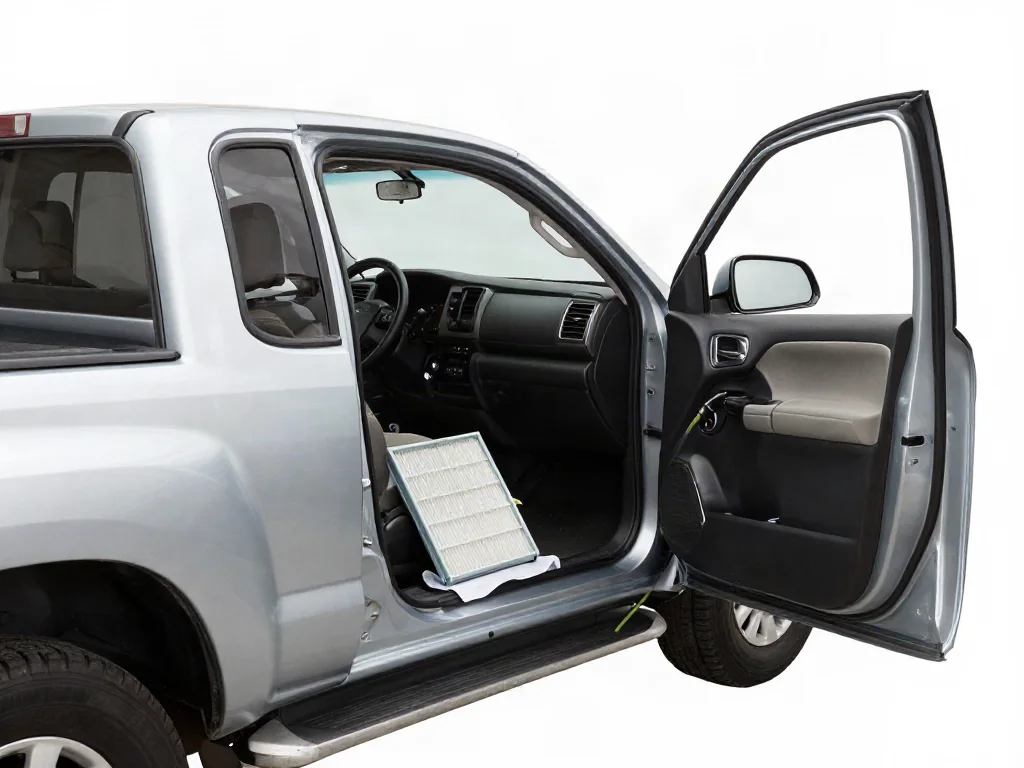
Changing the cabin air filter on a Toyota Tacoma or Tundra is usually a short job, but the right steps depend on your specific truck. First, confirm that your pickup has a serviceable filter housing. Then find the access point behind the glove box, choose a filter that fits the verified housing, and check a few things afterward if cabin ventilation still seems weak or noisy.
Confirm Your Truck’s Model Year and Filter Housing
Toyota has built the Tacoma and Tundra across several generations, and the dash layout, glove box design and HVAC case construction changed between them. A Tacoma cabin air filter procedure written for one generation may not match another, even when the trucks look alike from outside. Start by confirming the exact model year and generation of your truck, because a production change can alter trim clips or glove box stops. Treat any written or video procedure as a general guide that has to match your pickup before you remove anything.
Early trucks need extra care. Before buying a cabin air filter for an early Toyota Tundra or Tacoma, confirm that the truck was built with a serviceable filter housing. The owner's manual maintenance section or a parts lookup by VIN is the reliable way to check. If you can't see an access cover, that doesn't prove there is no filter, and finding a panel doesn't prove it holds one. This guide covers Tacoma and Tundra pickups only. A Toyota 4Runner cabin air filter needs its own vehicle-specific fitment and access instructions.
Locate the Tacoma Cabin Air Filter Access
On Tacoma trucks with a cabin air filter, the access point is generally behind the glove box. A rectangular filter housing sits there in the HVAC case, just upstream of the blower fan. To reach it, you normally empty the glove box and lower it past its stops so it hangs clear of the opening. Some trucks use flexible side stops that release when you press the glove box walls inward. Others also have a damper arm on one side that must be unhooked first. Check which setup your Tacoma has instead of forcing the glove box down.
A serviceable filter cover is usually a narrow plastic door with molded tabs or clips on its edges, sized so a flat filter can slide in and out. Stop if you find a solid section of the HVAC case, screws that seem to hold ductwork, or clips that don't match the instructions for your model year. First-generation Tacoma owners in particular should use owner or parts documentation to confirm that both a housing and a listed Tacoma cabin air filter exist for their truck. Later trucks taking a filter doesn't mean every Tacoma does.
Locate the Tundra Cabin Air Filter Access
On Tundra models with a cabin air filter, access is also typically behind the glove box. However, the dash size and glove box design differ from the Tacoma. A Tundra may have a different glove box, damper or stop setup, so a release method you saw for a Tacoma may not work. Look up the guidance for your Tundra's model year. Note which side the damper attaches to, if there is one, and how the stops release before you lower the glove box.
Early Tundra trucks raise the same housing question as early Tacomas, and you should settle it before starting any replacement. If the owner information and a parts lookup show no factory filter provision for your year, the truck wasn't built for a Toyota Tundra in-cabin air filter, and this maintenance job ends there. Cutting into the HVAC case or improvising a filter slot can cause air leaks and rattles, and it can let debris reach the blower fan. That kind of change is a modification, not routine maintenance.
Select a Filter That Fits the Verified Housing
Once you've confirmed the housing, choose the replacement filter using your model year plus any other details the parts listing asks for, such as cab style, trim or production date. Compare the listed dimensions and edge shape with the housing opening, not with the old filter. A previous owner or quick-lube shop may have installed the wrong size, trimmed a filter to fit or folded it into place. The filter that comes out isn't a reliable guide to what should go in.
A cabin filter cleans the air coming into the passenger cabin, while the engine air filter protects the engine's air intake under the hood. The two have different shapes, housings and part listings. A search that turns up an engine air filter for a Tacoma tells you nothing about cabin filter fitment. Also keep expectations realistic. A new filter can help when the old one is clogged, but it won't necessarily fix musty odors, weak airflow or other ventilation complaints. Those can have causes elsewhere in the system.
Remove and Replace the Cabin Filter Safely
To change a Toyota cabin air filter, park on level ground with the parking brake set. Switch the engine off and make sure the blower is off so the fan isn't spinning near the opening. Empty the glove box, then follow the verified release method for your truck while supporting the glove box with one hand so it doesn't drop or strain the hinge. Open the filter cover gently by releasing its tabs rather than prying hard. Brittle plastic clips can crack and leave the cover loose.
Pull the old filter out slowly and keep it level so leaves and dust stay on it instead of falling into the housing. Keep your fingers and tools away from the blower. Many filters have an airflow arrow showing which way air passes through. Some have an UP marking instead, which shows which side faces the top. Get the correct direction from vehicle-specific instructions rather than copying the old filter, which may have been installed backwards. Slide the new filter in without crushing its pleats, close the cover securely and reconnect the glove box stops or damper.
Check Reassembly and Persistent Ventilation Symptoms
Before turning on the blower, close and reopen the glove box to confirm it latches normally and sits flush, and that any damper moves smoothly. Check that the filter cover is seated on all its clips with no gap. The old filter can give you clues. Heavy debris suggests leaves and dirt collect around the air intake, and dampness or staining may point to water getting into the system. A bent or warped filter can mean it didn't fit properly. Treat these as hints worth noting, not as a diagnosis.
If a new whistle, rattle or ticking starts after the change, switch the blower off and recheck only the parts you can reach, such as the cover and the filter's position. If the noise continues, or you think debris has reached the blower fan, have the truck serviced instead of reaching deeper into the HVAC case. Ongoing weak airflow, water getting in or a recurring odor also call for professional diagnosis. Follow Toyota's maintenance guidance for your truck for future checks, and inspect the filter more often if you drive dusty roads or park under trees.