Toyota Rear Axle Bearing Pullers: Choosing a Compatible Tool
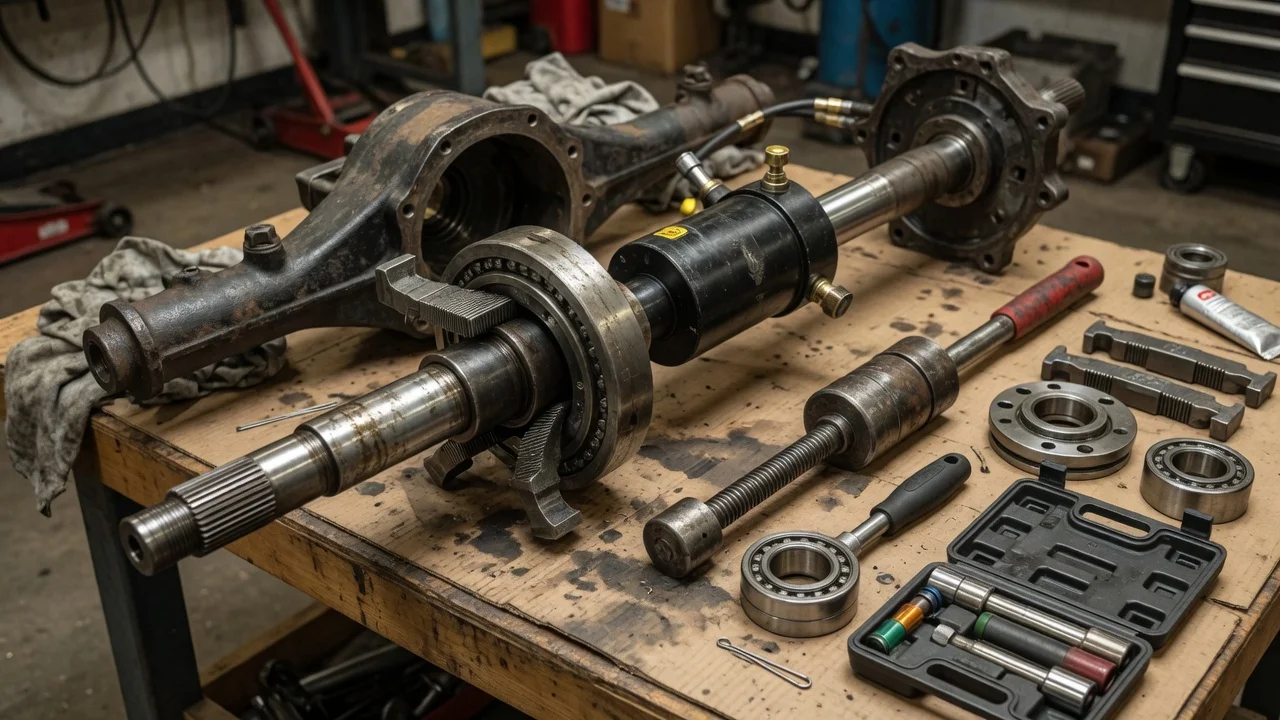
Replacing a rear axle bearing on a Toyota often depends on having a puller that suits that specific axle. The wrong tool can bend an adapter, damage a backing plate or leave the bearing stuck halfway off the shaft. This guide explains how to match a removal tool to your Toyota's rear axle design, which features matter, and which parts of the job a puller cannot handle.
Define the job the product must do
Start by identifying what actually needs to come apart. Toyota rear axles differ by vehicle configuration. Many rear-wheel-drive and four-wheel-drive pickups and SUVs use a semi-floating solid axle, where the bearing is pressed onto the axle shaft and the shaft is held in the housing by a retainer plate. On these designs the job usually has two stages: pulling the complete shaft out of the housing, then pressing the bearing and its retaining collar off the shaft. Front-wheel-drive cars and many crossovers use a rear hub bearing assembly that unbolts as a unit and typically needs no axle puller. Full-floating axles, where fitted, carry the hub on its own bearings secured by spindle nuts, so the tooling is different again.
Next, consider your practical constraints. Do you have access to a shop press, or will you take the shaft to a machine shop? Is this a one-time repair or will you service several vehicles? Operating conditions matter too: an axle from a vehicle driven on salted roads or through water may be heavily corroded and far harder to extract. Check the service history as well. A leaking axle seal, gear oil on the brake shoes or a previously replaced bearing can all change what you will find once the drum or rotor is off.
Check compatibility
Confirm the axle design from the repair manual for your exact model year, cab or body style, and drivetrain rather than relying on the model name, because rear axle arrangements can change between generations and trim levels. Once you know the design, compare the tool against the interfaces that decide fit. For shaft removal, the slide hammer adapter must match your wheel stud count, stud thread and spacing, and the adapter plate must sit flat against the axle flange without fouling the brake hardware. For bearing removal, the separator or splitter jaws must close behind the bearing within their stated range, and the press must accept the full length of the shaft with the separator supported squarely.
Use the manufacturer specifications and parts catalog data for your bearing and retainer dimensions, then check them against the tool maker's published capacities. If either figure is missing, treat compatibility as unconfirmed. Be cautious with in-vehicle bearing pullers sold as universal. Many are designed for axles retained by C-clips inside the differential, and on a Toyota semi-floating axle with a press-fit retaining collar the bearing is normally removed with the shaft out of the vehicle. Also note whether your axle carries an ABS sensor ring near the bearing; the separator must not grip or distort it.
Features that affect the choice
A slide hammer with a heavier weight can move a stuck shaft with fewer blows, but it is harder to control in a tight wheel well. Look for a rigid shaft, threads that engage fully with the adapter, and an adapter plate thick enough not to flex under impact. Kits that include several adapter patterns are useful if you work on more than one vehicle, though extra pieces you will never use add little value.
For bearing separators, the thickness and finish of the knife edges determine whether they can get behind the bearing without damaging the shaft. Hydraulic pullers and presses reduce effort and allow steadier force, while mechanical screw-type tools cost less but demand more care to keep the load even. When judging listings, separate useful evidence from labels. Published jaw ranges, adapter dimensions, compatibility stated by model and axle type, clear instructions and available replacement parts are meaningful. Phrases such as heavy duty, professional grade or fits all Toyota trucks, without supporting dimensions, tell you very little.
Limitations and ownership costs
A puller only handles removal. Installing the new bearing and retaining collar requires pressing them onto the shaft in the correct position, following the procedure in the repair manual. Many Toyota procedures call for a new retainer collar and new axle seal, and some designs also use a gasket or O-ring at the retainer plate. Budget for these parts along with consumables such as penetrating oil, brake cleaner, gear oil to replace any lost fluid and, if the procedure involves cutting or grinding the old collar, the appropriate abrasive discs. If you do not own a press, a machine shop pressing fee becomes part of the cost.
The tool itself needs basic care: clean and lightly oil the threads, inspect adapters for cracks or bent studs, and store everything dry so corrosion does not seize the slide hammer or separator bolts. Wear eye protection, because collars and bearings can release suddenly under press load. Finally, recognize what the tool cannot do. It will not diagnose whether a noise comes from the bearing, the differential or the tires, it does not service front hubs, and it does not address brake components contaminated by a leaking seal. Bearings are generally replaced based on inspection findings such as noise, play or leaks rather than a fixed maintenance schedule, so confirm the diagnosis before buying tools.
Build a practical shortlist
Before comparing products, write down your vehicle's model year, drivetrain and confirmed rear axle type, along with the stud pattern and the bearing dimensions from the parts data. Then check each candidate against the same questions. Does the slide hammer adapter match your studs and sit flat on the flange? Does the separator's stated range cover your bearing, with clearance from any ABS ring? Will the shaft fit in the press you plan to use? Does the kit include installation support, or will you need separate press plates and adapters?
Finish by comparing the practical details that affect ownership: published dimensions and compatibility notes, instruction quality, availability of replacement adapters, and whether the total cost, including press access, seals and retainers, makes sense against having a shop handle the pressing. A tool that matches your axle precisely is a better buy than a larger kit with broad claims and no verifiable fit information.