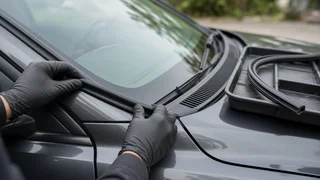
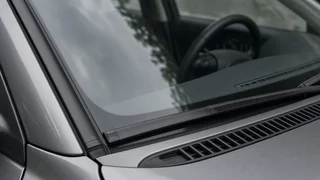
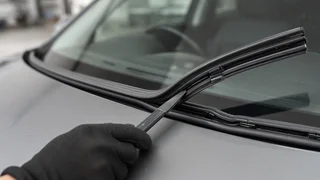
Toyota RAV4 windshield molding

A loose, cracked, or missing Toyota RAV4 windshield molding changes more than appearance. This trim seals the gap between the glass edge and the body, directing water away from the pinch weld and reducing wind noise. When the molding lifts, water ingress can reach the adhesive bond line and hidden sheet metal. For RAV4 owners, checking glass fitment and seal condition after car washes, temperature swings, or windshield replacement helps separate cosmetic wear from a developing leak path. The following overview explains what the part does, typical failure signs, likely causes, and practical next steps.
Essential answer
The Toyota RAV4 windshield molding is the exterior trim strip that runs along the sides and often the top of the windshield glass. Depending on the vehicle specification and model year, it may be a flexible rubber channel, a rigid plastic garnish, or a combination retainer that clips to the body. Its primary roles are to close the cosmetic gap between the glass and roof pillars, smooth airflow over the A-pillars, and shed water away from the windshield channel. A molding that remains pliable and fully seated is usually not a leak source by itself, but it protects the urethane seal underneath.
A lifted or hardened molding should be interpreted as evidence of exposure, age, or previous glass work, not as proof the windshield is leaking. Water can enter the cabin only when the structural adhesive bond, body seam sealer, or drain path has failed. The molding can, however, trap moisture and debris against those areas when it no longer contacts the glass or body cleanly. This makes inspection important: wiper contact, car-wash jets, and ice scrapers can catch a raised edge and tear the strip further, worsening visibility of the underlying channel and increasing the chance of water ingress.