Toyota RAV4 EV Range: 2012 to 2014 Tesla-Powered Model Explained
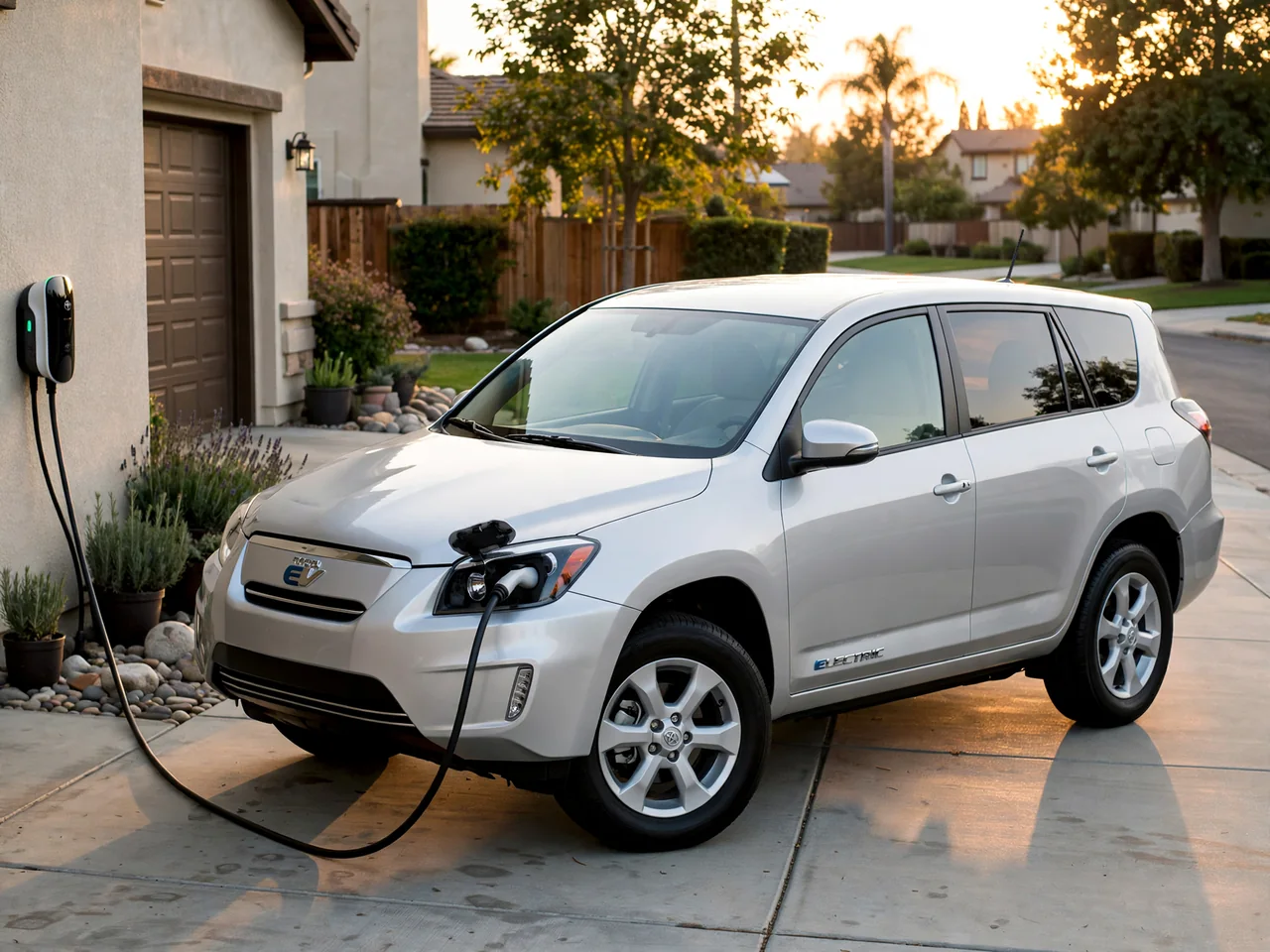
The 2012–2014 Toyota RAV4 EV pairs a familiar compact SUV body with a Tesla-supplied battery and electric drivetrain. Buyers often ask about its EPA-rated range, but the window-sticker number is only a starting point. Battery age, charging habits, climate, and driving style all change the real-world miles you can expect. Understanding how the rating was determined—and how it holds up on a used example—helps you evaluate a second-generation RAV4 EV before purchase.
2012 Toyota RAV4 EV Range: The Launch Year's Rating
For its launch year, the 2012 RAV4 EV carried an EPA-rated range of 103 miles when using the standard charge mode, with extended charge mode raising the figure to 113 miles. This rating represented a standardized laboratory test cycle, not a guarantee of everyday driving range. The Tesla-built lithium-ion pack and motor gave the SUV strong low-speed acceleration and efficient energy use, but real-world results varied with temperature, terrain, and how gently the driver used the accelerator.
Those official figures describe a new vehicle under controlled conditions, so a 2012 model on a dealer lot today will not necessarily achieve them. Launch-year examples were sold mainly in California and a few other markets, often through select dealers, which means fewer used units surface nationally. Buyers should verify the model year on the title and registration and look for complete service documentation. A Carfax-style report can reveal how many owners the vehicle has had and whether it stayed in a mild climate that is kinder to batteries.
2013 RAV4 EV Range and What Changed, If Anything
The 2013 Toyota RAV4 EV kept the same EPA range ratings as the previous year: 103 miles in standard mode and 113 miles in extended mode. Toyota and Tesla did not announce any major battery or motor revisions for the second model year, and the range figure stayed consistent in official EPA documents. That means a 2013 example is not automatically better or worse than a 2012 when it comes to original range—the rated number is identical, so used buyers should not pay a premium simply for a newer model year.
Instead of looking for year-to-year upgrades, focus on how each specific car was treated. Battery condition depends heavily on charging habits, exposure to extreme heat or cold, and cumulative miles. A 2013 with high mileage and frequent fast charging may have lost more capacity than a low-mileage 2012 that was garaged and gently used. Request service records for any high-voltage system repairs, software updates, or battery cooling system work. Those documents give a far better hint of remaining range than the model year badge alone.
2014 Toyota RAV4 EV Range for the Final Model Year
As the final model year of the Tesla-powered RAV4 EV, the 2014 version carried the same official range figures: 103 miles standard and 113 miles extended. Again, the new-car EPA rating did not change for 2014, and the vehicle was discontinued after this year. A 2014 example is therefore not inherently longer-range than a 2012 or 2013. All second-generation RAV4 EVs share the same battery pack design and drivetrain, so any differences in real-world range come down to individual condition and history.
On a test drive, observe the estimated range display at a full charge and watch how quickly it drops during normal driving. A sudden drop of several miles after a short trip can point to reduced capacity or a miscalibrated range estimator. The displayed figure is based on recent driving patterns, so a car driven gently before your visit may show an optimistic number that falls quickly under heavier use. Consistent readings over multiple drives are more telling than a single number, so ask the seller for photos of the gauge at different points.
Standard vs Extended Charge Modes and Everyday Range
The RAV4 EV offers two charge settings that affect how much energy the battery pack accepts. Standard charge mode stops the battery at around 80–90 percent of its physical capacity, which corresponds to the 103-mile EPA rating. Extended charge mode fills the pack closer to its true maximum, yielding the higher 113-mile EPA figure. However, the extended mode is intended for occasional use when you need extra range for a longer trip. The official rating and a full-charge range are therefore different: extended mode can show more miles, but it stresses the cells if used every day.
Routinely charging to the maximum is discouraged by many EV battery experts because high state of charge accelerates chemical aging in lithium-ion cells. The owner’s manual likely advises standard charging for daily use and extended charging only when necessary. Real-world range also drops with high speeds, cold or very hot weather, use of cabin heat or air conditioning, steep hills, and extra weight. A driver who commutes mostly on a flat highway at 60 mph on a mild day will see different numbers than one crawling through city traffic with the climate system running hard.
Battery Age and Range Loss on a Used RAV4 EV
Lithium-ion packs lose some capacity as they age, even when they are not driven often. A used RAV4 EV from any model year may deliver 10, 20, or more miles less than its original EPA rating, depending on how it was stored and charged. High temperatures, frequent extended charging, and long periods sitting at full or empty all speed up degradation. There is no single mileage or age at which a battery fails; some examples remain strong past 100,000 miles, while others fade sooner. The only way to know is to test the vehicle under real conditions.
Safe checks should be done over several days: record the displayed range after a full standard charge, drive a known route, and note how much range the car actually uses. Watch for dashboard warning lights, slow charging, or a charge that stops short of full. These signs can point to a failing cell or battery management problem. However, a short test drive and a single range reading cannot confirm battery health. Before buying, arrange for a qualified EV technician to read the battery management system data and inspect the high-voltage components. Never open or touch any orange high-voltage cables or the pack yourself.
Charging, Service Support and Other Checks Before Buying
For daily use, a Level 2 home charging station is the most practical way to keep a RAV4 EV ready. The car’s onboard charger accepts 240-volt AC power at a moderate rate, so overnight charging easily restores the pack. Before buying, confirm that the included charging cable and connector match your home outlet or planned wall unit, and check that the vehicle’s charge port is in good condition. Public DC fast charging was not standard on this model, so relying on public chargers may be difficult for regular commuting.
Service support for the RAV4 EV is limited because it was a low-volume vehicle with a Tesla-sourced drivetrain. Some Toyota dealers may not have technicians trained on the high-voltage system, and independent EV shops are not available everywhere. Before committing, call local service departments and ask specifically about RAV4 EV battery diagnostics. Run a VIN check through an official government or manufacturer site to reveal open recalls or service campaigns. Finally, compare the car’s realistic remaining range—perhaps 80–90 miles on a good battery—to your daily commute, and leave a margin for cold weather and unexpected errands.