Toyota RAV4 Engine Air Filter Replacement Guide
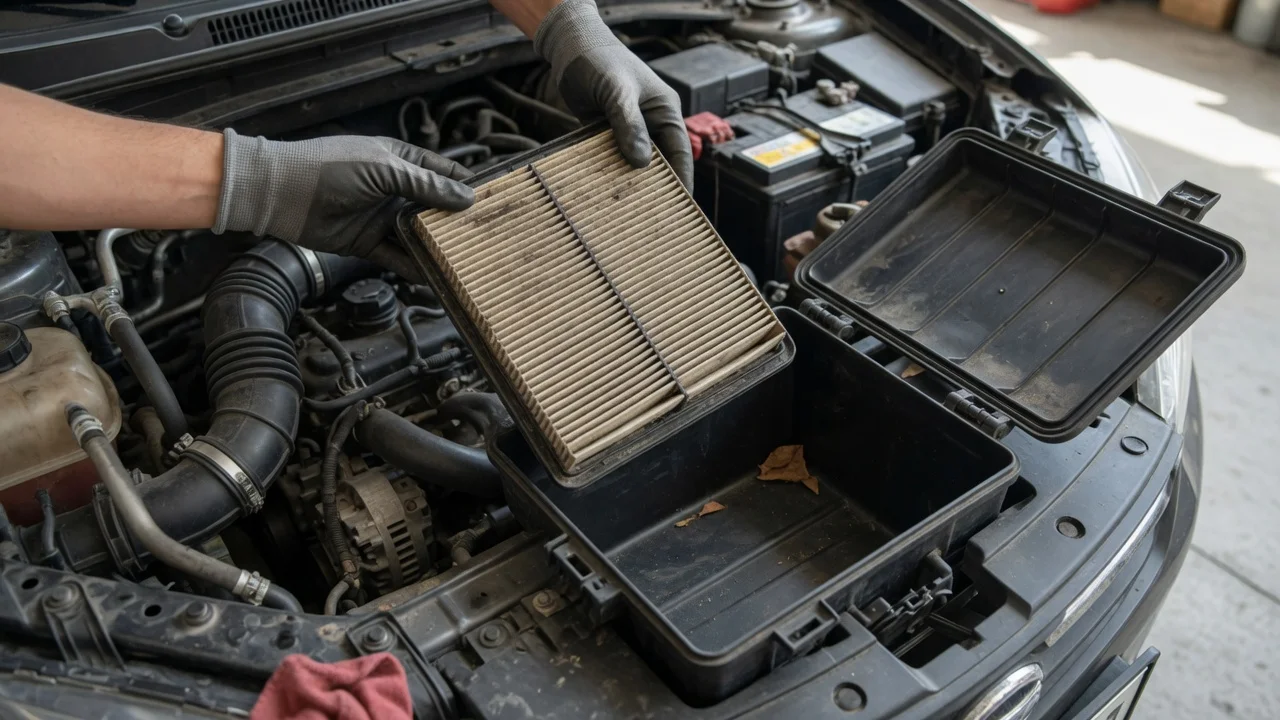
A Toyota RAV4 engine air filter is the replaceable element in the engine-bay air cleaner box that traps dust, leaves and grit before that air reaches the engine. Replacing it is a routine maintenance job: with the engine off and cool, you open the air-box lid, lift out the old filter, seat a matching new filter in the same orientation, and close the lid so it seals. The exact housing layout, fastener style, filter shape and service interval depend on model year, market, engine (including hybrid) and equipment, so confirm those details in the owner’s manual or service information for the vehicle in front of you.
What the filter does
The gasoline engine in a RAV4 needs a large volume of clean air mixed with fuel. The filter sits in a plastic air-cleaner housing, usually a rectangular box in the engine compartment with an inlet snorkel and an outlet duct toward the throttle body. A clean, correctly seated filter lets air through while holding debris in the pleats. A filter that is packed with dirt restricts airflow; a filter that is missing, torn or installed so the lid cannot seal lets unfiltered air and debris toward the engine and, on many layouts, toward the mass air flow sensor in the intake duct.
This part is separate from the cabin air filter, which cleans air entering the passenger compartment through the HVAC system. Engine-air and cabin-air service are both common RAV4 jobs; they use different parts and different locations.
When replacement is due
Follow the inspection and replacement interval in the maintenance schedule for that RAV4’s year, powertrain and operating conditions. Severe dust, dirt roads, construction zones, pollen-heavy seasons and stop-and-go traffic in dirty air typically mean more frequent inspection. The published interval in the owner’s manual is the authoritative figure for that vehicle; this guide does not assign a universal mileage or time.
Inspection is visual. Open the air box and look at the dirty side of the element: heavy dust caked in the pleats, embedded grit, wet contamination, crushed media or a torn seal are reasons to replace it even if the calendar interval has not arrived. Other clues that belong in the same check include a poorly seated lid, debris sitting in the clean side of the box, and a filter that does not match the housing. Drivability complaints such as a lack of power can have many causes; a clogged air filter is one item to inspect, and it does not by itself diagnose those symptoms.
Typical replacement steps
The sequence below is the usual pattern on RAV4 air-cleaner housings that use a panel filter and a hinged or lift-off lid. Clip count, screw count, lid direction and whether an intake tube must be loosened all vary. If a step does not match what you see, stop and use year-specific instructions.
Park on level ground, set the parking brake, and switch the engine off. Let a hot engine cool enough to work around the air box without burning your hands. Open the hood and locate the air-cleaner box in the engine compartment. It is a large plastic housing with an inlet and an outlet duct; on many RAV4s it sits toward one side of the bay, though hybrid packaging can shift neighboring components. Note how the lid is held: spring clips, screws, or a mix. Release those fasteners. If an intake hose clamp or sensor connector is in the way, disconnect only what the housing requires and keep the mass air flow sensor and its wiring protected. Lift the lid enough to expose the filter. Before removing the old element, note which face is up, which edge faces the inlet, and how the rubber seal sits in the groove. Lift the old filter straight out. Wipe loose debris from the dirty side of the housing with a clean cloth. Keep dirt from falling into the clean outlet toward the engine. Do not blow compressed air into the intake. Set the new filter in the same orientation, with the seal fully in its seat and the pleats undistorted. The lid should close without crushing the media. Refit the lid, fasten every clip or screw, and reconnect any hose or sensor you moved. Confirm the box is closed all around so unfiltered air cannot bypass the element. Start the engine and listen for a whistle or rush that would suggest a loose lid or disconnected intake tube. Recheck fasteners if the housing is not quiet and fully seated.
What changes by year, engine and equipment
RAV4 generations use different engines, air-box shapes and under-hood layouts. A filter that fits one year or engine can be the wrong height, seal profile or airflow rating for another. Hybrid models still use an engine air filter for the gasoline engine, with tighter packaging around the housing. Market-specific engines and emissions equipment can change the housing and the element. Applicability of any one part number or photo is unknown until it is matched to the vehicle’s year, engine code, trim and region.
Fastener style is a common difference: some lids are clip-only, some use screws that need a screwdriver or socket, and some combine both. A few layouts require loosening the outlet tube to raise the lid. None of those details can be treated as universal across the nameplate.
Choosing a replacement filter
Use an element specified for that RAV4’s year, engine and air-cleaner housing. The owner’s manual, the parts catalog keyed to the vehicle identification number, or the existing filter’s markings are the usual ways to identify it. The new filter should match the old one’s length, width, thickness and seal shape so the lid closes on the gasket. Install it dry unless the product instructions for that specific filter say otherwise.
Aftermarket options include standard paper-style panel filters and some reusable designs. Fit and sealing in the Toyota housing matter more than branding. A filter that is too small, too thick or missing a proper edge seal can leak dirty air around the element even when the lid is clipped shut.
Care while the box is open
Keep foreign objects out of the clean outlet. Avoid soaking the housing or the mass air flow sensor with cleaners. If the sensor is in the intake tube, handle the tube gently and keep fingers, rags and the old filter off the sensing element. If the old filter is soaked with oil or water, or if debris has already reached the clean side of the box, replacement of the element alone may be incomplete; that condition needs inspection beyond a standard filter swap.
After the job and sensible next steps
A correctly fitted filter restores the air cleaner to its intended restriction and sealing. Record the date and odometer reading so the next inspection follows the vehicle’s schedule. If the lid will not close, the new filter is the wrong size. If the engine runs poorly after the box is closed, recheck that every hose, clamp and sensor connector disturbed during the job is fully seated.
Use a workshop manual or dealer parts lookup when the housing on your RAV4 does not match a generic clip-off panel box, when hybrid or other equipment blocks access, or when you need a confirmed part number. A technician is the right next step if debris entered the intake, if a fastener or duct is damaged, or if warning lights or drivability problems remain after the filter and housing are correctly assembled.
Limits of this guidance
This article describes the common RAV4 engine-air-filter job in general terms. It does not give a single official service interval, torque figure, labor time or OEM part number, because those values are vehicle-specific and were not supplied here as verified data. Legal inspection or emissions rules, where they apply, are set by the jurisdiction and the model’s certification; this guide does not state those requirements. Match the procedure and the part to the year, market, powertrain and equipment of the vehicle being serviced.