Toyota Prius Engine Knocking at Cold Start: Causes and When It Matters
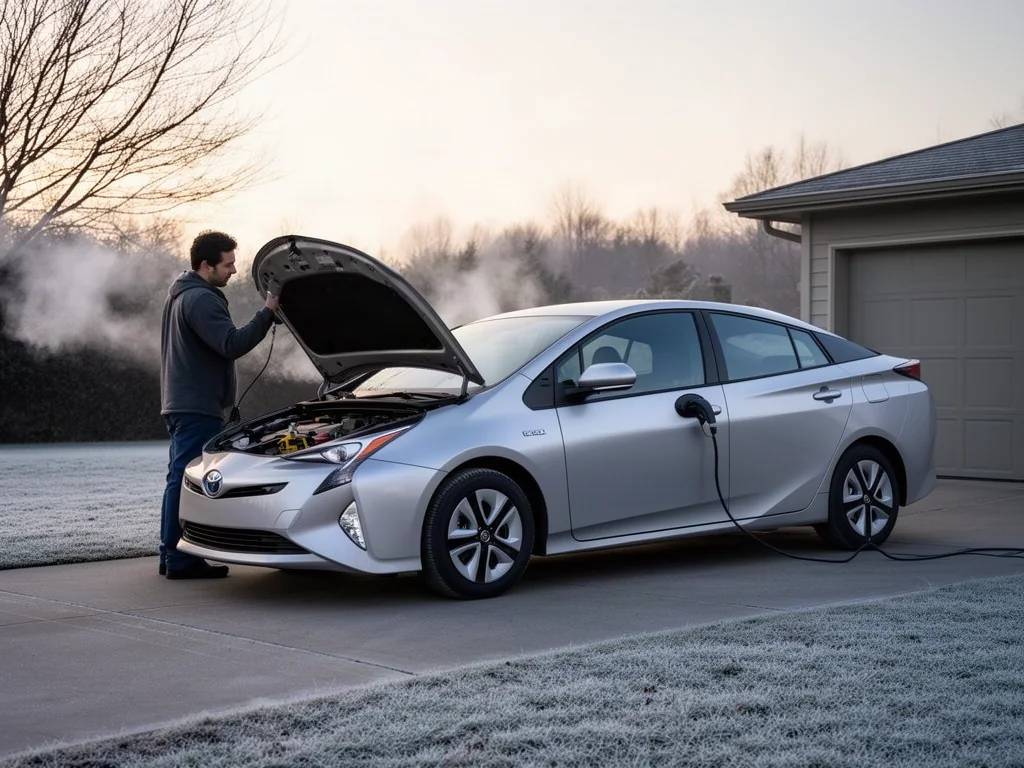
A cold-start knock in a 2010 Prius can be alarming because the gas engine cycles on and off autonomously, making unfamiliar sounds at first start, after an EV stretch, or when extra load demands it. A metallic rattle, deep knock, or brief clatter may indicate normal hybrid start-stop behavior—or an emerging mechanical issue. Understanding the noise pattern, when it appears, and whether it fades as the engine warms helps owners decide if a 2012 Toyota Prius engine knocking noise is simply a cold-start rattle or a sign that professional inspection is needed.
What Prius Engine Knocking at Cold Start Sounds Like and When It Shows Up
Because a Prius gas engine starts and stops on its own, a cold-start knock can surface at first key-on, when the engine restarts after an EV-mode stretch, or when it kicks in under load such as climbing a hill. Owners often describe a deep knock, a metallic rattle, a light tick, or a brief clatter that lasts only a second or two. Since a written description alone cannot identify the cause, note whether the sound is rhythmic with engine speed or an isolated thud.
The pattern matters more to a technician than the exact sound. A knock that fades as the engine warms may point to oil circulation or cold-clearance issues, while one that continues once warm suggests a different fault. Outside temperature, how long the car sat, and whether the engine was cold or warm at restart all change what you hear; a cold-soaked overnight start sounds different from a restart after a short stop.
2010 Prius Engine Knocking: Normal Hybrid Restart Sounds vs. a Real Knock
Hybrid engine start-stop creates brief mechanical sounds—a shudder, a hum, or a firm click—that drivers of conventional cars may not expect. The engine spins up quickly under load, causing some normal shake. An abnormal knock differs: it repeats each cycle, follows engine speed or load, gets louder over time, or comes with vibration and roughness felt through the seat or steering wheel.
For a 2010 Toyota Prius, do not assume a noise is normal just because it is short or intermittent. Hybrid restart noise can mimic a knock, but tracking it over several cold starts reveals whether it is stable or worsening. Recording it helps, but remember a noise can be judged fairly only for one car's actual condition and history; model year alone does not confirm or rule out a problem.
Possible Sources of a 2012 Toyota Prius Engine Knocking Noise
A 2012 Toyota Prius engine knocking noise can come from several broad sources. Combustion-related knock may stem from fuel quality, carbon deposits in the EGR system, or low-octane fuel; internal mechanical noise could involve worn bearings or piston slap; accessory or drive-related sounds might come from the water pump, tensioner, or belt; and external rattles like loose heat shields or trim can transmit through the body as a knock or thud.
Carbon or exhaust-gas-recirculation deposits, fuel quality, and a low or degraded engine oil level are possibilities for a technician to check, not conclusions to reach from sound alone. Worn engine mounts can pass start-up movement into the cabin as a thud that seems to come from the engine. Many sources sound alike from the driver's seat, so a 2012 model's noise must not be pinned to one part without a thorough inspection.
Warning Signs That Make a Prius Knock More Urgent
A lit or flashing check-engine light, rough running or misfire, noticeable power loss, or hybrid system warning messages make a Prius knock urgent. These signs indicate the engine control system has detected a problem, and repeated knocking under load can accelerate damage. If the knock gets louder, happens more often, or continues once the engine is fully warm, the car needs attention sooner rather than later.
Falling coolant level, overheating warnings, white exhaust smoke, or a sweet smell alongside a knock should be treated seriously; these can point to a head gasket or cooling system issue. If warning lights flash or the car runs very roughly, limit driving and arrange an inspection rather than continuing to drive to see if the sound goes away. Ignoring such warning signs can turn a repairable fault into an expensive one.
Safe Observations Owners Can Make Before Visiting a Shop
Before visiting a shop, record the noise with a phone at cold start and at restart, noting outside temperature, how long the car sat, and driving conditions. Check the engine oil level and condition as the owner's manual describes, with the car parked on level ground. Low or dirty oil can contribute to start-up knock, and this is a safe, simple check. Check the coolant reservoir level by eye only when the engine is fully cold; never open the cooling system while hot or under pressure.
Keep a simple log of when the noise happens, any warning lights, recent fuel purchases, and recent maintenance or repairs. This information helps a technician spot patterns. Do not rev the engine, remove parts, or run repeated stress tests to reproduce the knock, as this can worsen a problem or create a new one. Your role is to gather observations safely, not to diagnose by ear.
Reading Trouble Codes Without Jumping to Conclusions
Stored or pending trouble codes can point diagnosis in a direction, but a code does not identify a failed part by itself. For example, a misfire code could stem from ignition, fuel, or mechanical issues. Always check the code's meaning for the exact vehicle and model year, because some codes are manufacturer-specific and may mean different things on a Toyota Prius than on other cars. Do not rely on universal definitions.
Generic scan tools may not read all hybrid-system data, so a shop with Toyota-capable equipment can see more detail. Avoid clearing codes before a technician has inspected the car, because erasing them removes freeze-frame data and readiness information useful for an accurate diagnosis. Even a pending code that has not yet turned on the check-engine light can be valuable when correlated with the knocking noise.
What Professional Testing Can Confirm About a Knocking Prius Engine
A technician will typically confirm the noise, check its timing against engine speed, and inspect mounts, shields, and accessories for looseness or wear. They may use a stethoscope or vibration tool to isolate the source. Professional tests like compression or leak-down checks, cooling system pressure tests, and camera inspections can separate internal problems from external rattles, but these are procedures only a shop should perform.
If EGR or combustion deposits are suspected, the technician should confirm them by inspection before recommending cleaning or replacement, since such work can be costly and may not address the noise. Bring your recordings and log, ask what was actually confirmed and what is only suspected, and request a written explanation before approving major repairs. This helps ensure you are paying for a solution, not a guess.