Toyota Prius Check Engine Light: Causes and Next Steps
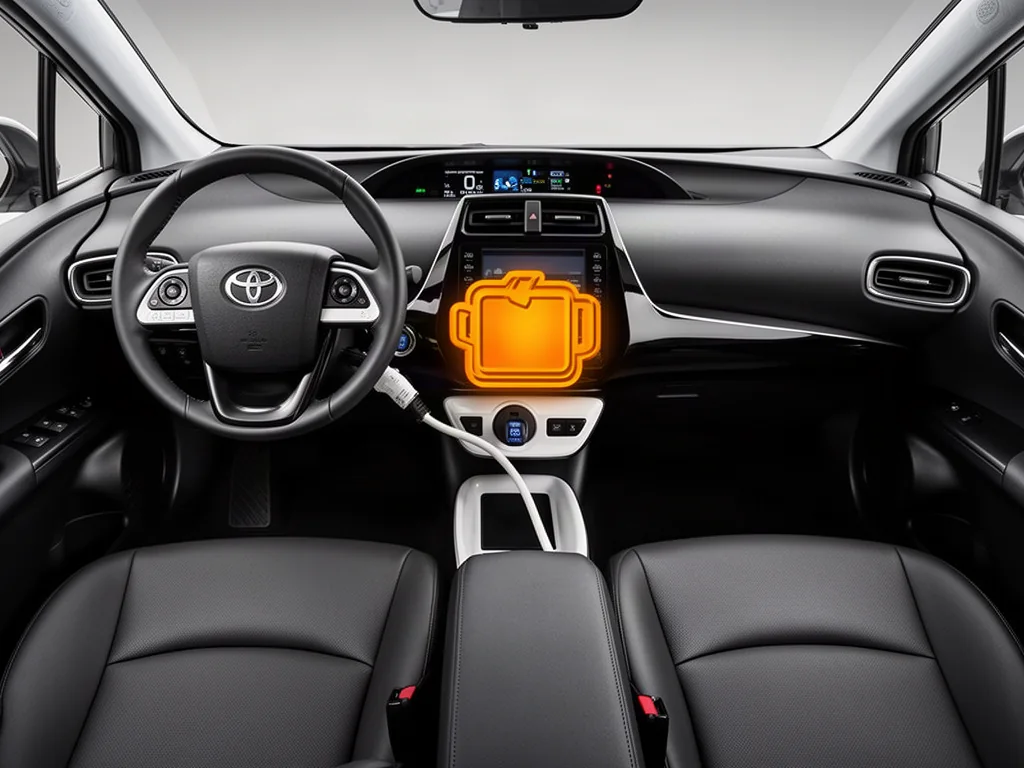
When a Prius check engine light comes on, the engine-shaped malfunction indicator lamp is reporting a monitored gasoline-engine or emissions fault, not a hybrid-system warning. Diagnosis differs from a conventional car because the gasoline engine starts and stops automatically, so symptoms can appear only while it is running. The engine check light on a Prius does not name a failed part or prove the hybrid battery is involved.
What the Prius Check Engine Light Indicates
The check engine light on a Prius is the engine-shaped malfunction indicator lamp used for monitored gasoline-engine and emissions problems. It is not the hybrid system warning, the temperature gauge or warning, the oil-pressure warning, or other cluster indicators that can appear on the same instrument panel. Appearance, color, and accompanying messages vary by model year, so matching the symbol to the owner's-manual description for that Prius is the first step before assuming what system is involved.
That lamp is evidence that a monitored circuit or emissions test failed or is incomplete, not proof that a named part has failed. The gasoline engine, evaporative emissions system, ignition, and related sensors can all set the same indicator. Hybrid control modules and the high-voltage battery have their own warning paths, so an engine check light on this hybrid does not, by itself, establish that the hybrid battery is involved or that any single component needs replacement.
Warning Signs That Require Stopping
A flashing check engine light on a Prius, especially with severe shaking, major power loss, overheating, or smoke, is a reason to pull over safely and arrange assistance rather than continue driving. A flashing malfunction indicator lamp often points to an engine misfire that can overheat a catalytic converter if the gasoline engine keeps running under load. Those conditions are not a diagnosis of a particular part, but they are unsafe to ignore while the vehicle is still moving.
A steady check engine light without obvious drivability problems still needs prompt diagnosis on a Prius, because emissions monitors can store a fault long before the car feels different. Check the owner's manual for that model year for vehicle-specific guidance on messages, reduced-power modes, and when to stop. If hybrid system warning lamps, temperature warnings, or a stop instruction appear with the engine check light, do not continue a trip when the vehicle cannot operate normally.
Engine and Emissions Faults Worth Investigating
Refueling can precede a Prius check engine light when a loose or damaged fuel cap, where the vehicle is fitted with one, allows an evaporative emissions system leak rather than indicating engine failure. Other EVAP leaks, ignition misfires, air or fuel metering faults, and emissions-monitoring problems can also turn the lamp on. None of those categories is a confirmed diagnosis from the light alone; each is a reason to retrieve diagnostic trouble codes and inspect the related system before replacing parts.
Rough gasoline-engine operation, fuel odor, hesitation, or a change in drivability are useful clues to record, not rankings of which Prius faults occur most often. An oxygen-sensor or catalyst-related diagnostic trouble code identifies a monitored result that failed, not automatic proof that the named sensor or converter has failed. Those codes require testing of the affected circuit, wiring, exhaust, and related engine conditions on that model year before any part is replaced.
How Prius Hybrid Operation Shapes the Symptoms
On a Prius, normal automatic stopping and restarting of the gasoline engine can make an engine-related symptom intermittent. Note whether roughness, hesitation, or the malfunction indicator lamp appears when the engine starts, while it is running, or only after it has been off in electric operation. Coordinated engine and hybrid control modules can set more than one warning at the same time, so a complete fault record from every relevant module is more useful than a single emissions code.
Abnormal 12-volt battery voltage can confuse module communication, store odd diagnostic trouble codes, or make warnings appear together, so supply voltage should be tested when indicated without assuming it explains every lamp. Observations should stay within normal driving: do not force the gasoline engine to stay running, enter service modes, or access high-voltage hybrid components. Those steps belong to qualified hybrid service, and they are not needed to describe when the malfunction indicator lamp came on.
What to Record Before a Prius Diagnostic Visit
Before a diagnostic visit, record the Prius model year, mileage, recent refueling or service, every warning message, and whether the check engine light is steady or flashing. Note whether the gasoline engine was starting, already running, or transitioning from electric operation, and describe vibration, hesitation, or loss of power as they occurred in normal driving. Do not deliberately reproduce a flashing light, severe misfire, overheating, or smoke just to show a technician the symptom.
Preserve diagnostic trouble codes and freeze-frame data before clearing anything or disconnecting the 12-volt battery, because that snapshot shows the operating conditions when the malfunction indicator lamp set. A basic reader may retrieve emissions-related codes from the engine controller, while hybrid control modules often need Toyota-capable diagnostic equipment to display their information. Clearing codes or dropping 12-volt power can erase pending results and freeze-frame data that distinguish an evaporative emissions leak from an engine misfire or a hybrid-side warning.
How Testing Establishes the Cause and Confirms the Repair
Each diagnostic trouble code must be checked for meaning and applicability on that Prius model year and hybrid powertrain, especially manufacturer-specific codes, before it is treated as a failed part. A professional assessment reviews stored and pending codes, freeze-frame data, relevant hybrid control module information, and then runs targeted tests on the indicated system. A code is evidence to interpret against wiring, sensors, fuel, ignition, and evaporative emissions behavior, not proof that the labeled component has failed.
A technician qualified for hybrid vehicles is needed when a hybrid system warning accompanies the check engine light, when there is unexplained power loss, or when a high-voltage fault is suspected. Repair confirmation means checking how the gasoline engine and hybrid system operate together and whether the relevant emissions monitors complete and pass, not merely seeing the lamp go out after codes are cleared. An extinguished Prius check engine light right after a reset does not establish that the original fault is resolved.