Toyota Prius Catalytic Converter: Theft Risk, Faults, and Protection
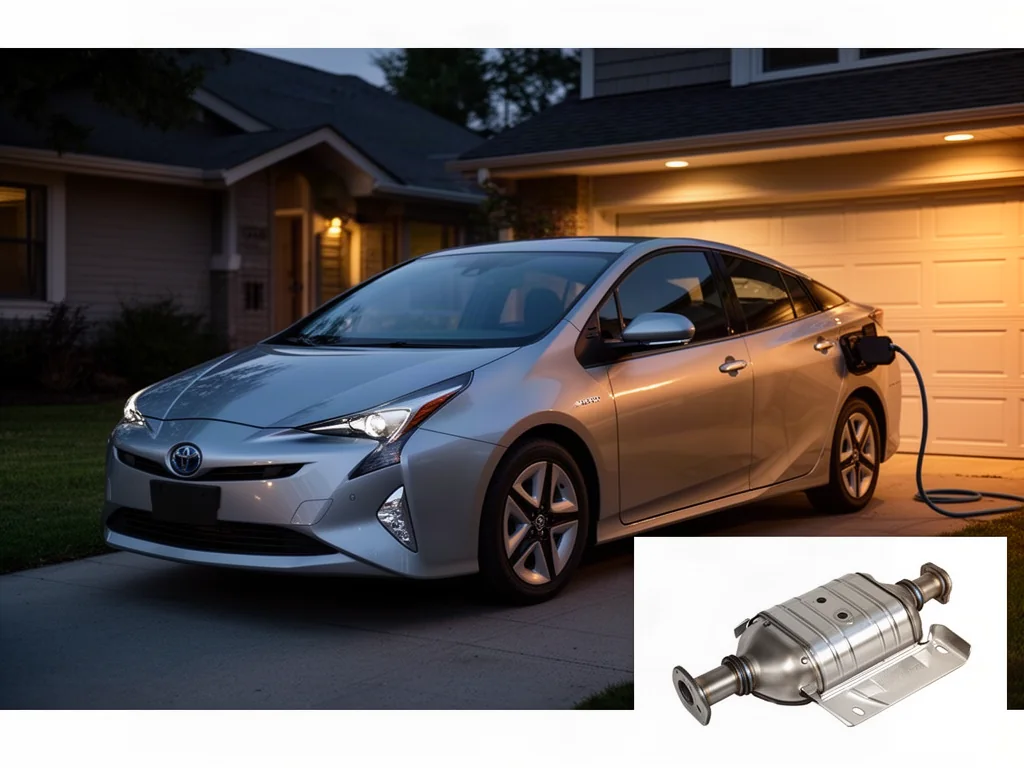
A Toyota Prius catalytic converter sits in the exhaust aftertreatment path and uses a precious-metal catalyst to treat engine exhaust. Hybrid engine cycling, parking habits, and local converter theft patterns shape how that hardware is used and how much risk an owner faces.
What the Catalytic Converter Does in a Prius
Once a Prius catalytic converter reaches a temperature that supports effective treatment, the precious-metal catalyst promotes conversion of untreated exhaust gases. Carbon monoxide, unburned hydrocarbons, and oxides of nitrogen can then be transformed into less harmful products as they pass through. Until that light-off condition is met, exhaust aftertreatment is limited, so short, cold running can leave the catalyst less effective. Oxygen sensor readings upstream and downstream of the converter help the control system judge whether catalyst efficiency is developing as expected during warm operation.
Hybrid engine cycling on a Toyota Prius catalytic converter creates a different thermal pattern than a conventional gasoline engine that idles continuously. When the engine shuts off at a stop or during electric-only rolling, exhaust flow and heat input pause, and the converter can begin to cool. Designers often address that with converter placement, insulation, and a precious-metal loading chosen for the application, but metals used and quantity still depend on converter design and Prius model year. A catalytic converter for Prius duty therefore reflects those thermal demands without implying every assembly is built the same way.
Why Prius Catalytic Converters Attract Theft
The precious-metal catalyst inside a Prius catalytic converter typically includes platinum, palladium, and rhodium, which promote the reactions that clean the exhaust. Those same metals remain recoverable after the converter is removed, which is why scrap recovery creates a theft incentive. Mix and loading vary by converter design and emissions specification, so no single quantity or scrap value applies to every Toyota Prius catalytic converter. What matters for owners is that the metals are valuable enough in the secondary market to make underbody converters a target, even when the part is still performing.
The Prius is a recognized converter theft target because the underbody converter is often reachable with common cutting tools and the hybrid reputation for higher catalyst loading draws attention. That does not mean every generation uses the same converter construction or faces the same exposure; ground clearance, shield presence, and access time all differ by year and parking situation. Individual risk still depends on location, lighting, unattended time, and local theft activity. A catalytic converter for Prius models parked in a quiet lot overnight can be more exposed than the same hardware in a monitored garage.
Symptoms Owners May Notice After Theft or Converter Trouble
A sudden roar from the exhaust when a parked Prius is started can indicate the converter has been cut away or an exhaust leak has opened a large path. Missing pipe, a dangling section, or a sawed joint visible from standing can point toward converter theft or damage. A check-engine light, reduced power, or a failed emissions test can involve the converter, yet none of those findings establish the cause. Sensor faults, misfire, or a leak upstream of the catalyst can produce similar complaints, so the symptom is a reason to inspect, not a diagnosis.
Exhaust odor around the car or inside the cabin can appear after converter theft or a large leak because untreated gases escape before they reach the remaining pipe. Owners should look from a safe standing position for a gap, hanging hardware, or scrape marks, and they should not crawl beneath an unsupported vehicle. Stop driving and arrange professional assistance if exhaust enters the cabin, power drops sharply, or the check-engine light flashes, because those conditions can signal misfire or fumes that make continued operation unsafe. Arrange a tow or on-site inspection rather than a roadside repair.
How a Shop Diagnoses Prius Converter-Related Faults
A shop looking at a Prius catalytic converter complaint may find catalyst degradation, exhaust leaks, faulty oxygen sensors, or physical damage from impact or theft. A leak can skew oxygen sensor readings and make catalyst efficiency look worse than it is, while a damaged substrate can fail aftertreatment even when the sensors are healthy. A catalyst-efficiency code is evidence that the monitor saw a problem, not proof that the converter must be replaced. Confirming the leak path, sensor response, and engine operation comes first so a good converter is not condemned for an upstream fault.
Any stored code should be checked against the vehicle's year, powertrain, and emissions configuration before interpretation, especially when the definition is manufacturer-dependent. A technician then reviews exhaust integrity, live oxygen sensor readings, and engine operation, looking for misfire, rich running, or oil contamination that can overheat or poison a replacement converter if those root causes remain. Physical inspection can confirm a crushed shell, melted substrate, or cut pipe without assuming the catalyst failed chemically. Clearing those contributing conditions is part of diagnosis, because a new catalytic converter for Prius use over an unresolved engine fault repeats the same failure.
What to Confirm Before Replacing a Prius Catalytic Converter
Before selecting a replacement, identify the Toyota Prius catalytic converter by model year, VIN, and the emissions specification assigned to that vehicle. Federal, California, and other certified calibrations can use different converter assemblies, so a visually similar part may not satisfy emissions compliance or fitment. The replacement must match verified vehicle application and the rules that apply where the car is registered and inspected. Confirming those details avoids installing hardware that will not complete a required emissions test or that will not bolt to existing exhaust flanges and sensor bosses.
A written estimate should name the converter assembly, any oxygen sensors or exhaust sections that also need work, labor, and the diagnostic findings that support the repair. After converter theft, ask the insurer what comprehensive coverage will and will not pay, and ask the shop whether any remaining federal emissions warranty might apply to a failed catalyst. Neither conversation promises eligibility or a current price, but both can change what the owner authorizes. Keep diagnostic notes with the estimate so later inspections can see why a Prius catalytic converter replacement was chosen.
Practical Ways to Reduce Theft Exposure
Secure parking, lighting, and a monitored location make it harder to work under a Prius unnoticed, though none of those steps prevent converter theft by themselves. A professionally installed catalytic converter shield or cage can discourage access by adding time and noise, provided fitment, heat clearance, and service access are verified for that specific Prius. A shield that sits too close to the converter can create a heat problem, and a poorly fitted cage can rattle or block inspection. Ask the installer to confirm the hardware is intended for that vehicle year and underbody layout before it is attached.
Identification marking and an alarm or tilt sensor can add a layer, but usefulness depends on local marking programs and how the vehicle is equipped. Engraving a VIN or applying a unique mark may help recovery after a theft, while an alarm is useful only if it sounds when the exhaust is disturbed. If theft is suspected, avoid confronting anyone, document what is visible from a safe distance, then contact authorities and the insurer. Arrange inspection or towing when the exhaust is open or the car is unsafe to drive, and keep photos of remaining pipe for the claim.