Toyota Prius Brake Noise: Brake Pump and Regenerative Braking Sounds Explained
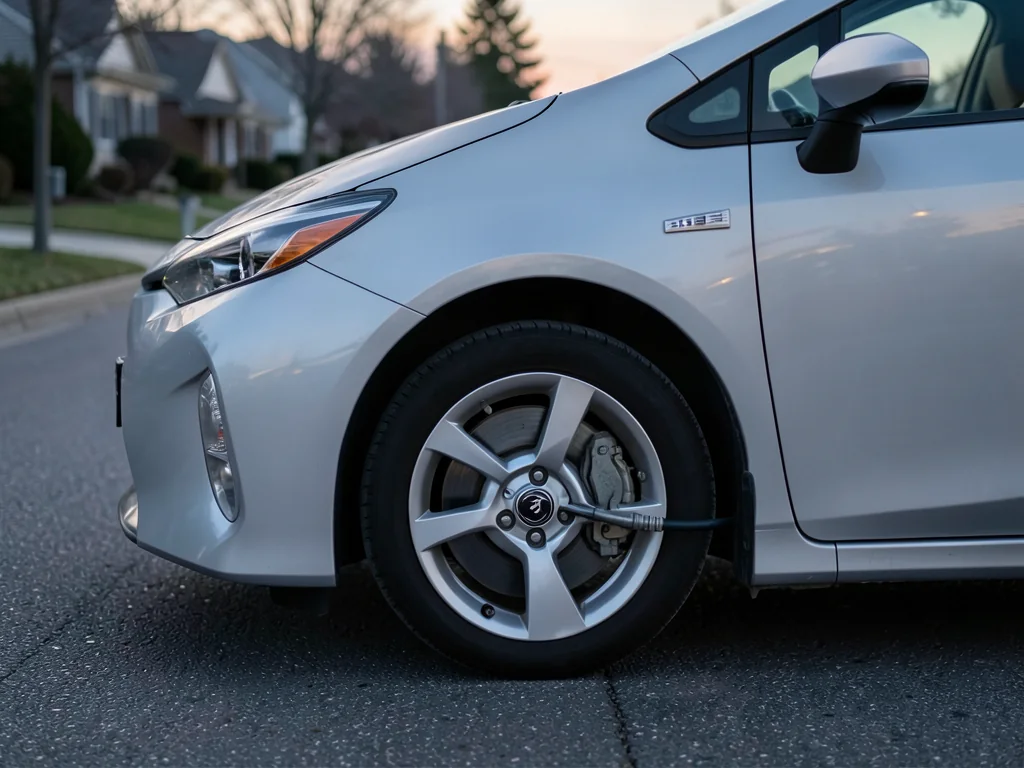
Toyota Prius brake noise often surprises owners because the hybrid system combines regenerative braking with conventional friction brakes under electronic control. Sounds like a brief pump whir, soft click, or faint hum can be normal, while grinding or continuous pump operation may indicate a problem. Since the cabin is very quiet at low speed and the engine is often off, mechanical noises become more noticeable. Understanding which Prius brake noises are typical and which need attention helps owners respond correctly without unnecessary worry.
Why a Prius Brake System Sounds Different From a Conventional Car
A Prius does not rely solely on traditional brake pads squeezing rotors. It blends regenerative braking, which uses the electric motor to slow the car and recover energy, with hydraulic friction brakes managed by an electronically controlled braking system. This dual approach means the brake pedal is not directly connected to the brakes in a simple mechanical way, so the system can produce noises a conventional car would not, such as pump hums and valve clicks.
Owners commonly report a range of sounds, including a brief pump buzz, clicks when the pedal is pressed, whooshes from hydraulic pressure release, and squeals or grinding from friction components. Because the cabin is well insulated and the gasoline engine shuts off during low-speed driving, these sounds are easier to hear than in a standard car. Design details vary across Prius generations and model years, so the owner's manual for the specific vehicle is the best reference for expected noises.
The Brake Actuator Pump Buzz: When It Is Usually Normal
Many hybrid brake systems use an electric pump to build and maintain hydraulic pressure in the brake actuator, a high-pressure accumulator that stores energy for power braking. A short buzz or whir when the driver's door opens, at start-up, or when the brake pedal is first pressed is often just the pump topping up pressure. This noise typically lasts only a few seconds and stops on its own, which is a good sign the system is functioning as designed.
A pump that runs continuously, cycles every few seconds, or becomes noticeably louder over time is more concerning, as it may be struggling to maintain pressure or working against a leak. Owners should note when the sound occurs and how long it lasts rather than trying to judge pump health by sound alone. The brake actuator is a safety-critical, high-pressure component, and owners should never open, disconnect, or attempt to bleed it themselves.
Noises When You Press the Brake Pedal: Regenerative-to-Friction Transitions
As a Prius slows, the braking system shifts from regenerative braking to friction braking, especially at low speeds when regeneration becomes less effective. This handover can produce a faint click, a soft hum, or a slight change in pedal feel. A hiss or quiet click from the pedal area when pressing the brake may be a solenoid or valve operating, and it can be normal in many conditions.
However, owners should not assume every sound is harmless without considering the full context. A consistent, mild sound that happens at the same point during every stop is likely a design characteristic. A new, louder, or changing noise warrants attention. Noting the vehicle speed, pedal pressure, outside temperature, and whether the car is in B mode or D when the noise occurs gives a technician valuable diagnostic information.
Brake Noise on the Prius v and Other Prius Variants
Prius v owners often report the same type of pump and transition sounds as those in the standard Prius, but brake hardware and control logic can differ between variants and generations. A larger body and different weight distribution can also affect how pads and rotors wear and what they sound like. Heavier loads, such as carrying passengers or cargo, may change braking behavior and noise characteristics.
Because of these differences, information for the exact model and year is essential; one Prius version may behave differently from another. Owners should compare the current sound with how their own car normally sounds over time, rather than relying on online recordings from other vehicles. A change from the individual car's baseline is a more reliable indicator than a sound that seems unusual when compared to a different model.
Brake Sounds That Suggest a Fault
Some brake sounds clearly suggest a fault. Grinding, metal-on-metal scraping, heavy squealing, clunks, pulsing, or pulling during braking usually point to worn brake pads, damaged rotors, or suspension problems, not normal hybrid system behavior. These mechanical noises typically change with wheel speed or pedal pressure and do not sound like the brief electronic or hydraulic noises described earlier.
A brake pump that runs non-stop, cycles very frequently, or gets significantly louder over time should be inspected, as it may indicate a failing actuator or a hydraulic leak. Any brake, ABS, stability, or hybrid system warning light or message that accompanies a noise requires prompt professional diagnosis. A brake pedal that feels soft, sinks to the floor, feels unusually hard, or suddenly changes its feel is a safety concern regardless of the noise.
Safe Observations and When to Get Professional Testing
Owners can safely perform several non-invasive checks before visiting a technician. Recording the sound on a phone, noting exactly when it happens (speed, pedal pressure, temperature, drive mode), watching for warning lights, and visually checking the brake fluid level through the translucent reservoir without opening the system all provide useful information. Never remove the reservoir cap or attempt to add fluid without proper guidance, as the brake system is sealed and sensitive to contamination.
Diagnosing by ear has limits, since similar sounds can have different causes, and a sound alone does not confirm a failed part. If the vehicle stores diagnostic trouble codes, their meanings can depend on the manufacturer and model, and they must be checked against Toyota-specific information before interpretation. A qualified technician with Toyota-capable diagnostic tools should inspect the car. If braking performance seems reduced, stop driving and arrange a tow to a repair facility.