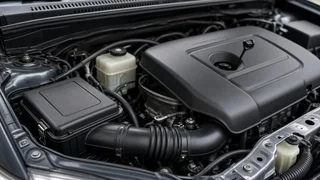
Toyota Prius brake fluid
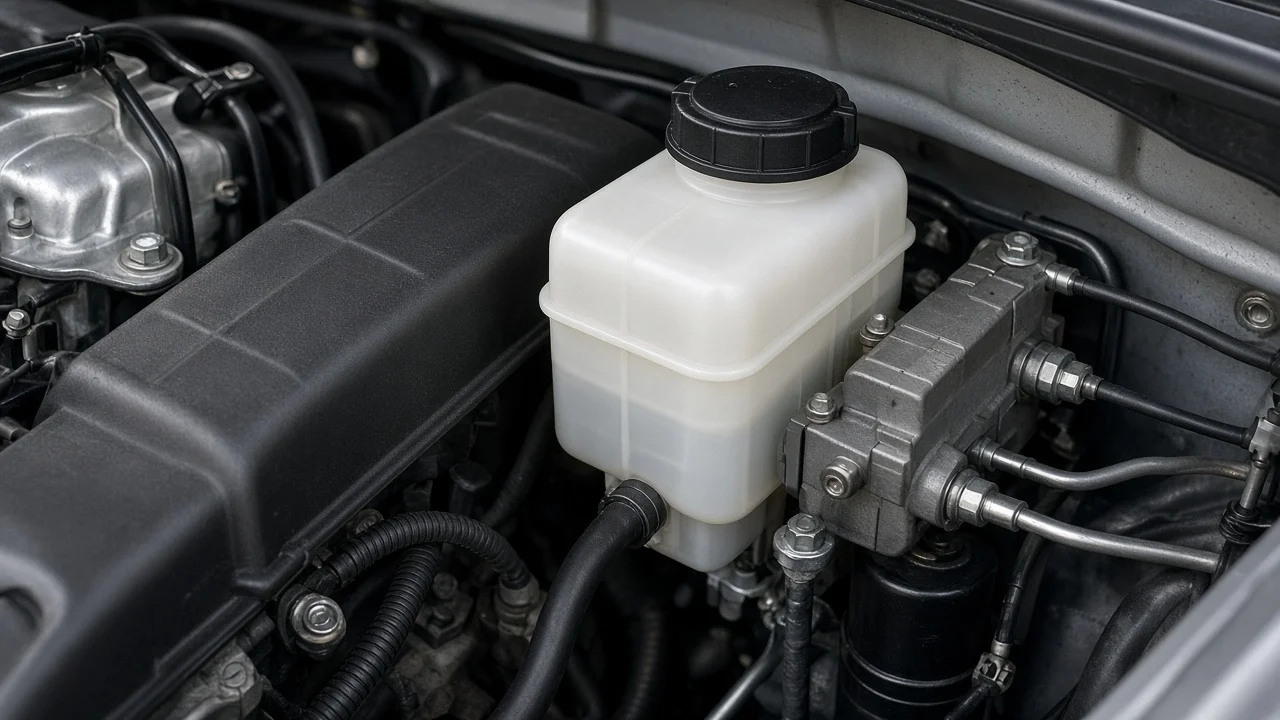
Toyota Prius brake fluid is central to how the hybrid’s regenerative braking and conventional hydraulic friction brakes work together. The fluid transfers pedal pressure to the calipers, clamping the brake pads against the rotors when regenerative force is limited or unavailable. Over time it absorbs moisture, which can lower its boiling point and alter brake pedal feel. Owners often notice a soft or low pedal during hard stops, after hill descents, or when the hydraulic system has been working harder than normal. Understanding the fluid’s role helps separate normal behavior from a signal that the system needs inspection.
Essential answer
The essential point is that Prius brake fluid is a hydraulic fluid, not an optional lubricant. It transmits force from the master cylinder and actuator assembly to each caliper so the friction material can press the brake pads against the rotors. Toyota specifies a DOT 3 or DOT 4 fluid for many models because these glycol-based fluids handle the heat generated during braking while maintaining a stable pedal. The compatibility requirement matters because mixing incompatible fluids or allowing contamination can damage seals, reduce hydraulic response, and alter how the electronically controlled brake system behaves.
A useful way to approach the fluid is to view it as a wearable system component. Moisture enters gradually through hoses, seals, and the reservoir. As water content increases, the fluid’s boiling temperature falls, and vapor can form in the caliper or lines after repeated braking. This may cause a longer pedal travel or a less firm feel even when the brake pads and rotors still have usable thickness. That is why the fluid condition should be evaluated separately from pad wear limits rather than assuming a spongy pedal means worn friction material.