Toyota Power Door Lock Actuator
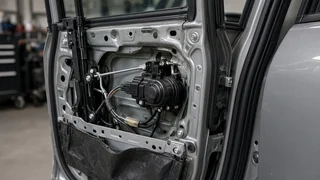
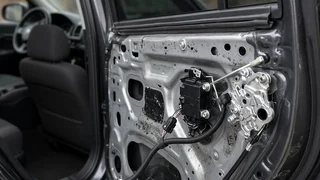
A Toyota power door lock actuator is the small electric motor assembly inside each door that converts an electrical signal into the mechanical motion needed to lock or unlock the latch. When you press the key fob or door switch, the body control module energizes the actuator, moving a rod or cable connected to the lock mechanism. This component matters because a failing unit often produces a clicking sound without moving the lock, or works intermittently as internal gears wear. Understanding that distinction helps you avoid replacing switches, rods, or latch assemblies when the actuator itself is the likely cause.
Essential answer
The essential answer is that the Toyota power door lock actuator is the motorized driver of the door lock, not the latch or the switch itself. It sits between the electrical command and the mechanical action. For most vehicles, each door with power locks has its own actuator, though some designs integrate the actuator into the latch housing. When you request a lock or unlock, the actuator spins a gear train or pushes a plunger that moves the rod connected to the latch pawl. That translation from small electric motor rotation into linear or rotary lock movement is what makes remote and switch-based locking possible.
Scope matters here because symptoms overlap with other hardware. A door that will not unlock with the fob could also involve a broken rod, a sticky latch, a failing switch, or a wiring problem. The actuator is the most common wear item in that sequence because it contains plastic gears, an electric motor, and often a small electronic position sensor. A healthy actuator should respond with a clear mechanical snap or thunk from the door. A weak or repeated clicking without movement typically points to stripped internal gears or a motor that can no longer move the linkage.