Toyota Mirai
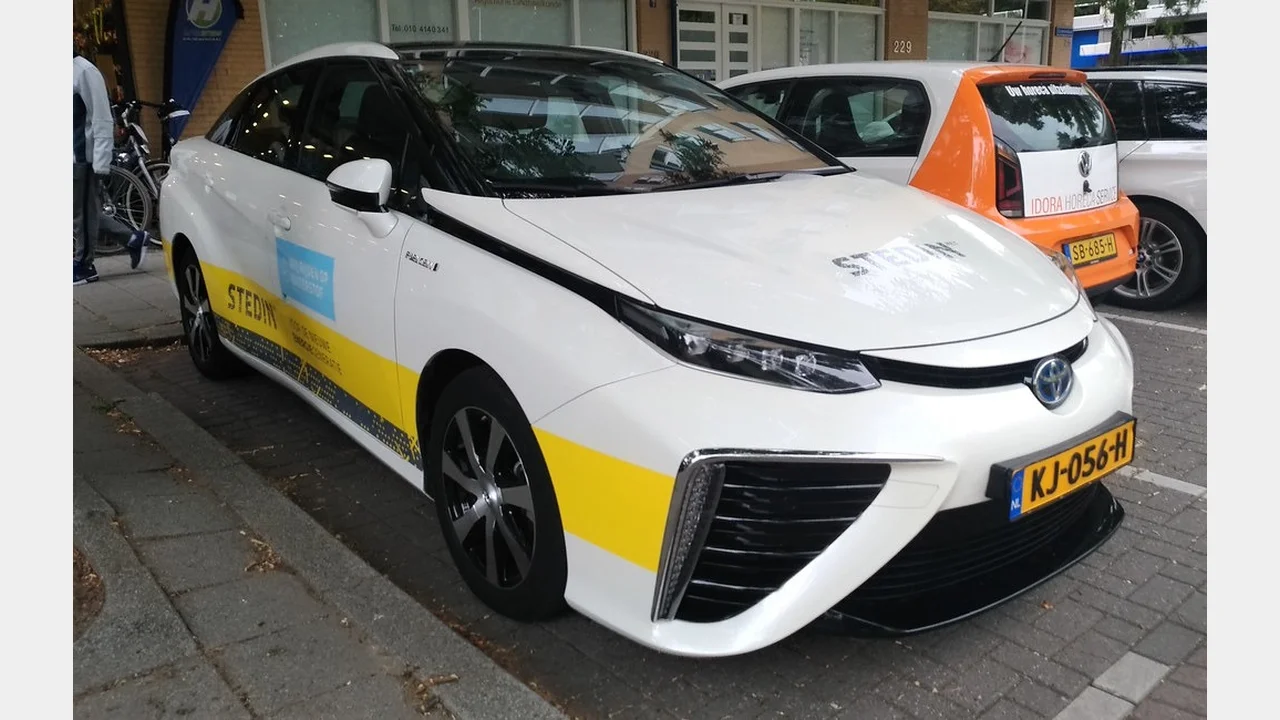
The Toyota Mirai stands apart because it replaces gasoline or battery-electric storage with an onboard fuel-cell stack that generates electricity from hydrogen. For US drivers researching this sedan, the key distinction is not just an alternative powertrain; it is a different fueling rhythm, range behavior, and regional availability story. Understanding the Mirai means looking beyond familiar hybrid or EV categories and recognizing how its fuel-cell configuration shapes ownership, refueling habits, and the practical role the car can serve today.
Essential answer
The Toyota Mirai is a mid-size hydrogen fuel-cell electric sedan. Unlike a battery-electric vehicle that stores electricity from the grid, the Mirai carries compressed hydrogen in onboard tanks and uses a fuel-cell stack to combine that hydrogen with oxygen from the air. That chemical reaction produces electricity to drive the motor, while the main tailpipe emission is water vapor. This makes it a zero-emission vehicle in operation, but one that depends on hydrogen fueling infrastructure rather than conventional charging equipment.
Because the model is sold through a specific retail and certification path in the United States, not every Toyota dealer or region offers it. A shopper should treat the Mirai as a specialized vehicle where the powertrain configuration and the local hydrogen supply matter more than trim-level comparisons alone. The essential answer is therefore not simply that it is an electric car, but that it is a fuel-cell car with a distinct ownership pattern, best suited to areas with reliable access to hydrogen stations.