Toyota Locking Hubs: Fitment Guide for Your Truck or SUV
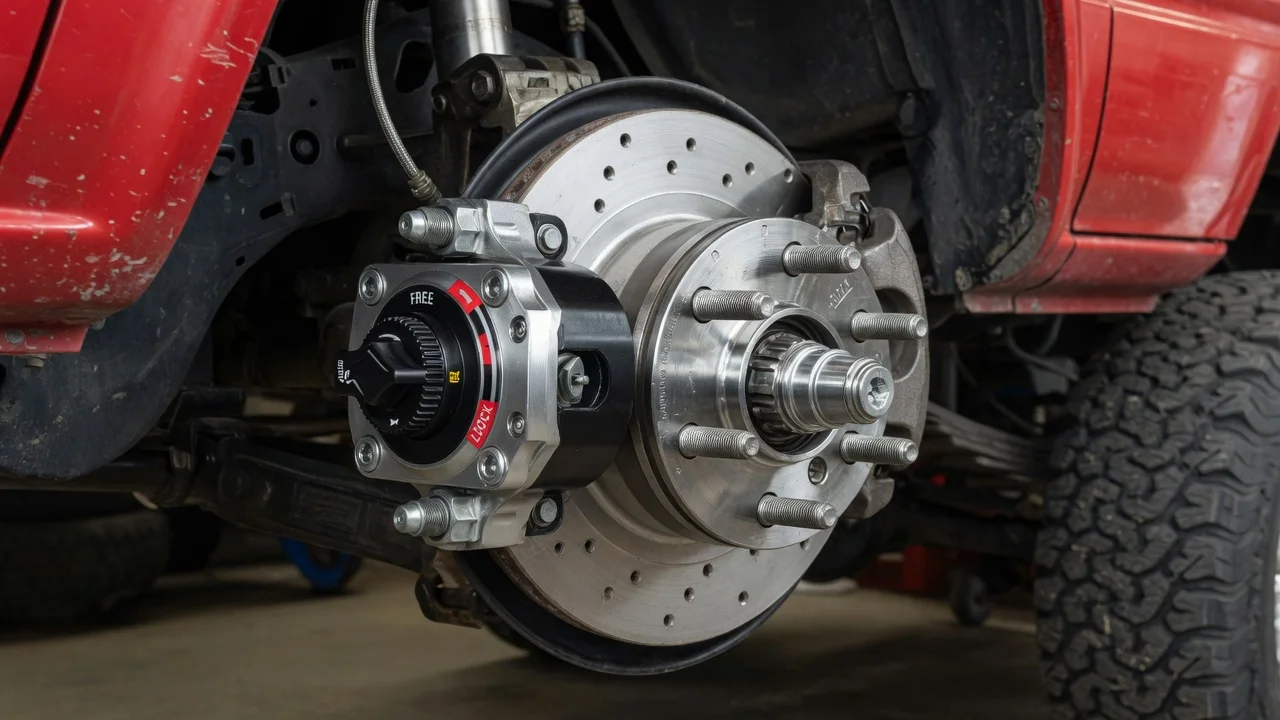
Toyota locking hubs are not one interchangeable part. Whether a hub fits depends on the exact vehicle configuration. That includes the front axle design, the axle shaft splines, and how the hub body bolts to the wheel hub. It also depends on whether the truck left the factory with manual hubs, automatic hubs or no locking hubs at all. This guide explains how to narrow down the right part before you buy and install it.
Which Toyota locking hubs fit your vehicle
A locking hub fits your Toyota only when it matches the hub design your vehicle uses. Manual hubs, automatic hubs and fixed drive flanges are not drop-in replacements for one another. Even among manual hubs, two things must match: the spline count on the axle shaft and the mounting pattern on the wheel hub. Model name and year alone are often not enough. The same model may have been built with different drivetrains, axles or trim-level equipment in the same year.
The most reliable way to find the correct part is to start from the vehicle identification number and the original part number. Then confirm with physical checks on the truck itself. If the hubs have been replaced before, the installed parts may not be original, so the service history matters as much as anything printed on the hub. Many newer Toyota four-wheel-drive models do not use locking hubs at all; they disconnect the front axle by other means. A hub kit may simply not apply to those vehicles.
How locking hubs connect the front wheels
On a part-time four-wheel-drive system with locking hubs, the front differential drives the front axle shafts. The wheels, however, ride on bearings that let them turn independently of those shafts. The locking hub sits at the outer end of each axle and decides whether the shaft and the wheel turn together. In the free position, the wheel spins on its bearings. In two-wheel drive, the axle shaft, differential and front driveshaft can then stay largely still, which reduces wear and drag. In the lock position, an internal clutch ring slides onto the shaft splines and couples the shaft to the wheel hub. Torque from the transfer case then reaches the front tires.
Manual hubs are switched by turning a dial on each front wheel. Automatic hubs engage on their own when the front axle shafts begin to apply torque, typically after four-wheel drive is selected and the vehicle moves. They release when the shafts stop driving. On some designs, release only happens after the vehicle is driven a short distance in reverse. Because the two types engage differently, their internal parts and installation hardware differ, which is one reason they cannot be freely swapped.
Configurations that change fitment
Front axle layout is the first dividing line. Solid front axles and independent front suspension use different knuckles, hub assemblies and axle shaft ends, so a hub designed for one rarely suits the other. Within each layout, the spline count and diameter of the axle shaft decide whether the hub's inner drive gear will slide onto it. The hub body must also match the number and spacing of the mounting studs or bolts and the depth of the wheel hub. If any of these differ, the cover will not seat correctly, or the clutch ring may not fully engage.
Converting from automatic to manual hubs is a common request, but it is a conversion rather than a simple swap. On many vehicles, automatic hubs use different bearing retention hardware and internal components. A manual hub kit may therefore require additional parts, such as a matching lock nut arrangement, drive gear, snap ring or gaskets. Some conversion kits include these items, while others assume the vehicle already has the correct hardware. Compare the kit contents with what is on your truck before assuming it is complete.
Modifications and operating conditions also change the answer. Aftermarket axle shafts, suspension changes that replace front-end components, and imported vehicles can all use parts that differ from the standard catalogue listing. Owners who drive hard off-road may prefer heavier-duty hubs, but those still must match the shaft splines and mounting pattern. Rust, damaged studs and worn shaft splines can stop even a correctly specified hub from fitting or engaging fully.
Checks before buying and installing hubs
Start by gathering the vehicle details. You need the VIN, model, model year, drivetrain, transmission, and whether the truck has a solid axle or independent front suspension. A Toyota dealer parts department can look up the original hub part number from the VIN. That is the best starting point for any aftermarket cross-reference. Next, inspect what is actually installed. Count the bolts or studs holding the hub cover, note whether there is a dial for manual locking, and look for manufacturer markings on the hub body.
If you remove a hub for inspection, count the splines on the end of the axle shaft. Compare the old hub's inner drive gear with the replacement before installing anything. Check the shaft splines and the hub's internal splines for twisting, chipping or heavy wear. Note the condition of the wheel bearings, seals and lock nuts, since hub service often exposes them. Use new gaskets where required. Follow the tightening sequence and torque values in the manufacturer specifications for your vehicle, and do not guess bearing preload.
After installation, a simple function check helps confirm fitment. Support the front of the vehicle safely on stands and put the transfer case in two-wheel drive. With a hub set to free, its wheel should turn without driving the axle shaft. With the hub set to lock, turning the wheel should turn the shaft. On the road, select four-wheel drive only where the owner's manual allows it. Listen for grinding, clicking or a hub that will not stay engaged. Any of these points to an incorrect part, an incomplete installation or wear that needs attention.
When to confirm with a parts counter or mechanic
This guide cannot confirm fitment for a specific vehicle. Toyota used different front-end designs across markets, model years and trim levels, and catalogue listings sometimes group vehicles too broadly. The VIN lookup, the parts on the truck and the replacement kit should all agree. If they do not, stop and verify rather than force the hub into place. A hub that needs excessive effort to install, or modified hardware to fit, is a warning sign.
Seek help from a qualified mechanic if inspection reveals worn bearings, damaged spindles, chewed shaft splines, incorrect bearing preload or signs of a previous faulty installation. The same applies to automatic-to-manual conversions with missing hardware. It also applies when the factory service information for the front axle is not available to you. Following the maintenance schedule in the owner's manual and keeping records of hub and bearing work makes future parts matching much easier.