Toyota Hood Release Cable Broken
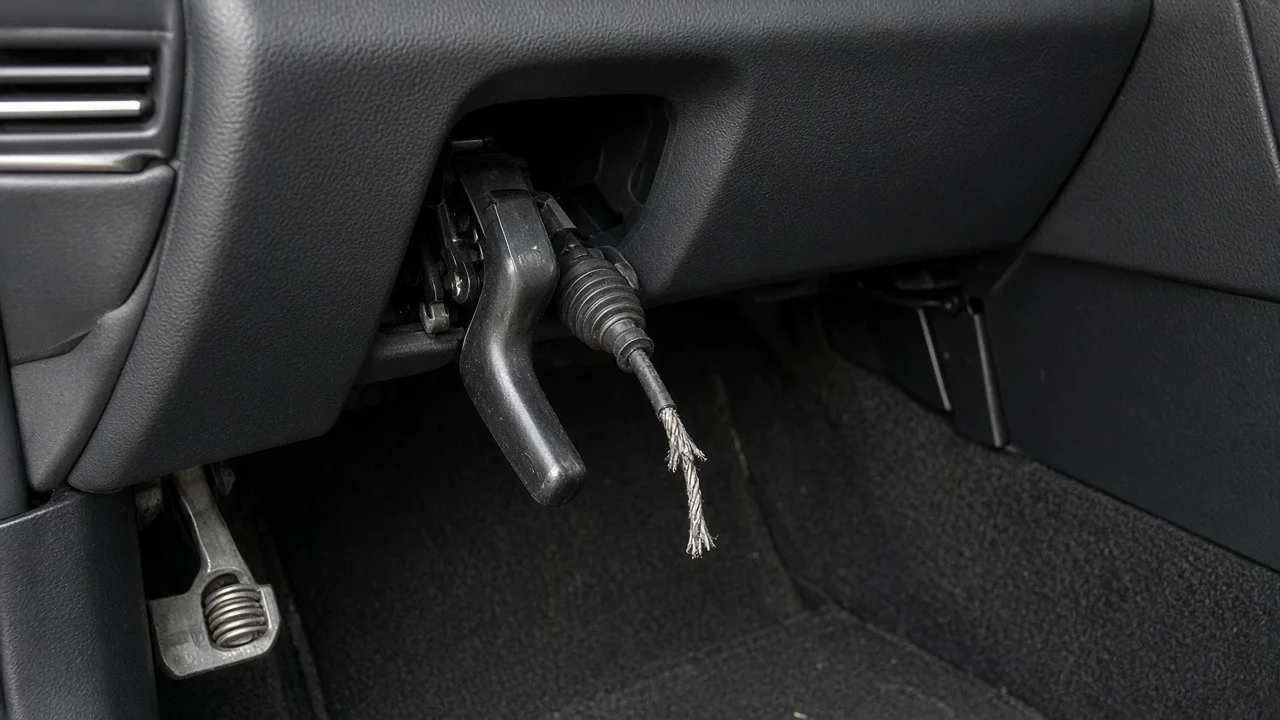
A Toyota hood release cable that feels slack, resists pulling, or fails to pop the latch means the driver cannot access the engine bay for routine checks such as oil level, coolant condition, or battery service. The problem can develop from cable stretch, corrosion inside the sheath, a binding latch, or a broken inner wire or handle. Understanding how the cable and latch work together helps a Toyota owner separate a simple adjustment issue from a part that has actually separated.
Essential answer
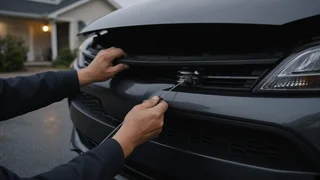
When the Toyota hood release cable is broken, the hood latch does not respond to the interior release lever. A cable can separate near the handle, inside the protective sheath, or at the latch end, while the outer jacket may look normal from the cabin. In many vehicles, a secondary safety latch at the hood still holds the panel down, but reaching it usually requires partial access through the grille or beneath the front edge. A completely unresponsive lever is more consistent with a parted cable or detached end fitting than with a simple misalignment.
The scope of the problem depends on the model generation, body style, and market specification. Some Toyota vehicles route the cable across the radiator support and through a grommet, while others use a shorter path behind the driver side headlamp. A broken cable requires repair or temporary latch release before any underhood service can continue. If the lever moves but the hood does not rise, the fault may be at the latch jaw, striker alignment, or a stretched cable. A lever that suddenly becomes loose often indicates a separated inner cable rather than a frozen latch.