Toyota Highlander Timing Chain Replacement Guide
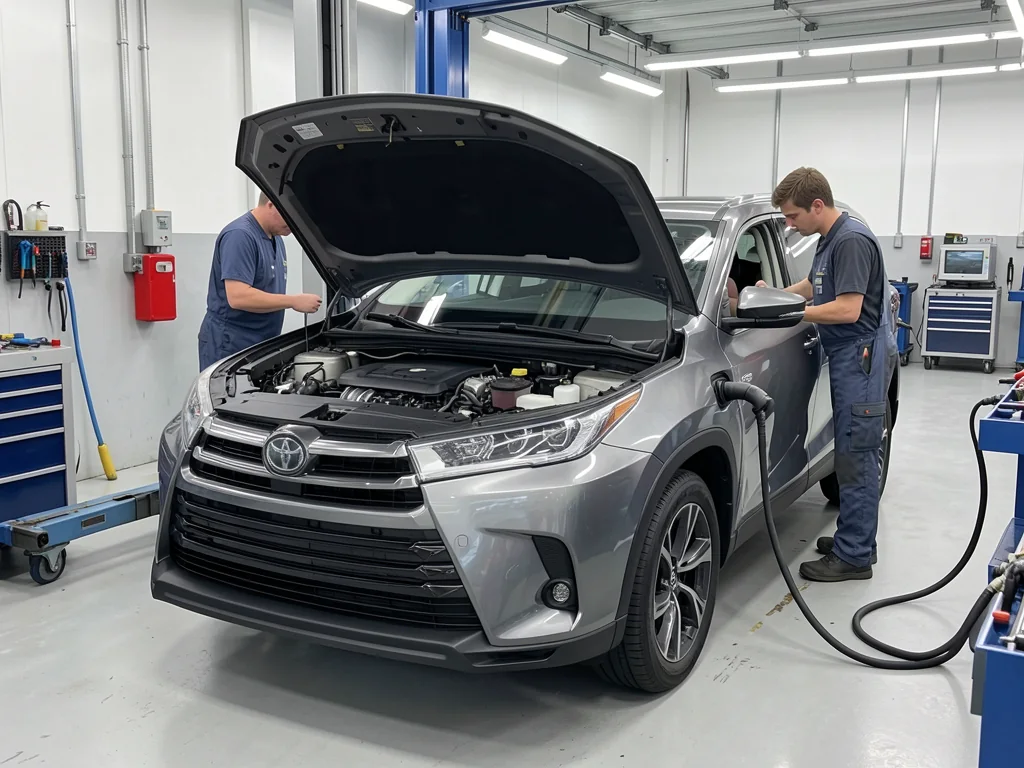
Toyota Highlander timing chain questions usually start with the engine, not a single replacement interval. A Highlander timing chain keeps crankshaft and camshaft timing aligned, but chain, tensioner, and guide condition vary by engine family and maintenance history. Confirm the model year, VIN, and engine identification before discussing Toyota Highlander timing chain replacement, because not every Highlander uses the same timing system and owner documentation is the right place for maintenance specifics.
Confirm the Highlander’s Engine and Timing System
Highlander engines have been offered across several generations, and the timing hardware is not interchangeable from one powerplant to another. Before any conversation about Toyota Highlander timing chain replacement, record the model year, VIN, and the engine identification on the vehicle so the shop can match service information to that exact combination. Some Highlander engines use a timing chain; others may use a different drive arrangement. Treating every Highlander as if it has the same timing system leads to the wrong parts, the wrong inspection plan, and advice that does not apply.
Where a Highlander timing chain is used, its job is to keep the crankshaft and camshaft timing in a fixed relationship so valves open and close in step with piston travel. Stretch, slack, or a weak timing chain tensioner can disturb that relationship, but there is no universal mileage at which replacement is due. Maintenance questions, inspection criteria, and any scheduled service belong in the documentation written for that VIN and engine, not in a generic Highlander interval.
Symptoms That Merit a Timing System Inspection
Unusual engine rattling, rough running, hard starting, and a warning light can all justify a diagnostic inspection of the Highlander timing chain and related parts. None of those complaints, by itself, proves the chain has failed. A startup rattle that fades after a few seconds points a technician toward oil pressure build-up and tensioner response, while noise that continues at idle or after warmup can suggest a different mechanical source. Noting when the sound appears, and whether it changes with temperature, gives the shop a useful starting map.
Bring oil service history, notes on recent repairs, and a clear timeline of when symptoms first appeared. Engine oil condition matters because a neglected oil supply can affect a timing chain tensioner and timing chain guides even when the chain itself is still intact. If the engine makes severe noise, stalls, or an oil pressure warning appears, stop safely and arrange professional assistance rather than continuing to drive in hopes the sound will settle. Those conditions can point to lubrication or timing problems that deserve immediate evaluation.
What Testing Should Establish Before Replacement
A chain should not be condemned until oil level, engine oil condition, timing chain tensioner operation, and other common noise sources have been considered. Accessory drives, valve-train parts, and exhaust heat shields can imitate chain rattle. Any diagnostic code is evidence to interpret, not proof a part has failed. Manufacturer-dependent codes must be checked against the documentation for that exact Highlander engine before anyone assigns meaning, because the same number can describe different conditions on different powertrains.
Professional evaluation looks at camshaft timing data, mechanical slack, and the condition of guides and tensioner hardware at a high level, without jumping to a parts list from a single symptom. A warning light, a recorded rattle, or high mileage alone cannot establish the need for Toyota Highlander timing chain replacement. Those clues only justify further inspection. The shop should document what was measured, what still needs confirmation, and why other engine noises were ruled in or out before recommending chain work.
When Timing Chain Replacement Is Justified
Replacement is justified when inspection confirms timing system wear or damage that the engine documentation treats as requiring repair, not when a noise is merely possible. Findings on the chain, timing chain guides, and timing chain tensioner should shape the proposed scope, because a stretched chain with intact guides is a different job than a broken guide that has already scored hardware. The repair estimate should follow those findings rather than a one-size kit assumed for every Highlander.
If camshaft timing data or mechanical checks suggest the chain may have jumped, the engine should be assessed for additional damage without assuming that damage already exists. A brief jump can leave valves and pistons unharmed on some designs and not on others, so confirmation belongs to inspection of that specific engine. Symptom severity and the documented findings determine urgency. Persistent metallic noise, misfire, or a confirmed timing error is more pressing than a faint cold rattle, but no finding here is a guarantee that continued driving is safe.
Reviewing the Replacement Estimate and Repair Scope
Engine configuration and access requirements strongly affect labor on Toyota Highlander timing chain replacement. Different Highlander engine layouts do not present the same covers, mounts, or working room, and confirmed damage can expand the job beyond the chain itself. Ask for an itemized repair estimate that names the diagnosed fault, the proposed parts, the labor, and any seals or fluids that must be renewed because the timing cover is opened. An unitemized total hides whether the shop is replacing only a tensioner or the full timing set.
Parts applicability must be verified against the exact engine and VIN. Catalog listings and kit labels are not enough when more than one engine was offered, and unsupported compatibility claims should be refused. Ask how additional findings discovered after the cover is removed will be documented and approved before extra work proceeds. Confirm which parts and labor are covered by the shop’s warranty, for how long, and whether the warranty depends on using specified oil and following the vehicle’s maintenance guidance after the repair.
Checks After Repair and Ongoing Maintenance
After Toyota Highlander timing chain replacement, the shop should verify that the engine starts and runs as expected, that relevant diagnostic results are clear, and that the timing cover and related joints are not leaking. That check is part of completing the repair, not an optional extra. Keep the written diagnosis, the itemized invoice, and the warranty paperwork with the vehicle records. Those documents show what was found, what was replaced, and what the shop agreed to stand behind if a related concern returns.
Once the vehicle is back in service, watch for a returning startup rattle, new warning lights, rough running, or fresh fluid spots beneath the engine. Contact the shop promptly if any of those appear rather than waiting for the next scheduled visit. Follow the oil specification and maintenance guidance written for that exact Highlander rather than assuming a recent replacement restores unlimited timing-chain life. Correct oil and documented service remain the owner’s practical contribution to protecting camshaft timing hardware.