Toyota family cars

Choosing a Toyota family car means weighing passenger room, cargo flexibility, and daily usability across a broad vehicle class range. Toyota’s lineup spans sedans, hatchbacks, minivans, and crossover SUVs, so the right pick depends on seating layout and how a household actually moves. Body configuration and powertrain layout shape interior packaging, efficiency, and ride comfort. Rather than naming a single best model, a useful answer highlights the model generations, market segment positioning, and practical trade-offs that make these vehicles dependable family transportation in the United States.
Essential answer
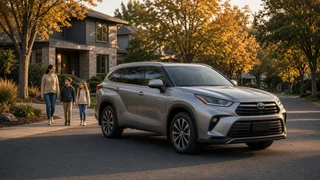
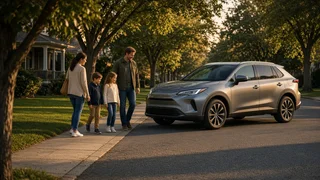
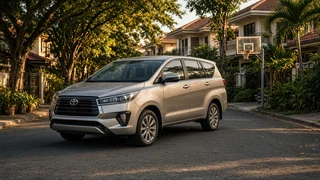
A Toyota family car is not one standalone model but a range of vehicles engineered around everyday passenger needs. The most direct answer depends on the buyer’s priority: sedans like the Camry offer strong highway comfort and predictable handling, while the 5-seat RAV4 crossover adds elevated ride height and a flexible cargo area. For larger households, the Highlander’s 8-passenger seating layout and the Sienna minivan’s sliding doors address third-row access and child-seat installation more directly than smaller body configurations.
Understanding these differences helps narrow the search by vehicle class and powertrain layout. Front-wheel-drive versions typically prioritize fuel economy and cabin space, while available all-wheel drive adds traction for wet or snowy roads without turning the vehicle into an off-roader. Model generation also matters, because newer Toyota platforms often improve ride composure, noise isolation, and standard driver assistance. A family should therefore compare seat count, cargo space behind the rear row, and daily maneuverability before choosing a specific trim or generation.