Toyota EV Range: bZ, C-HR, Highlander and Plug-In EV Mode
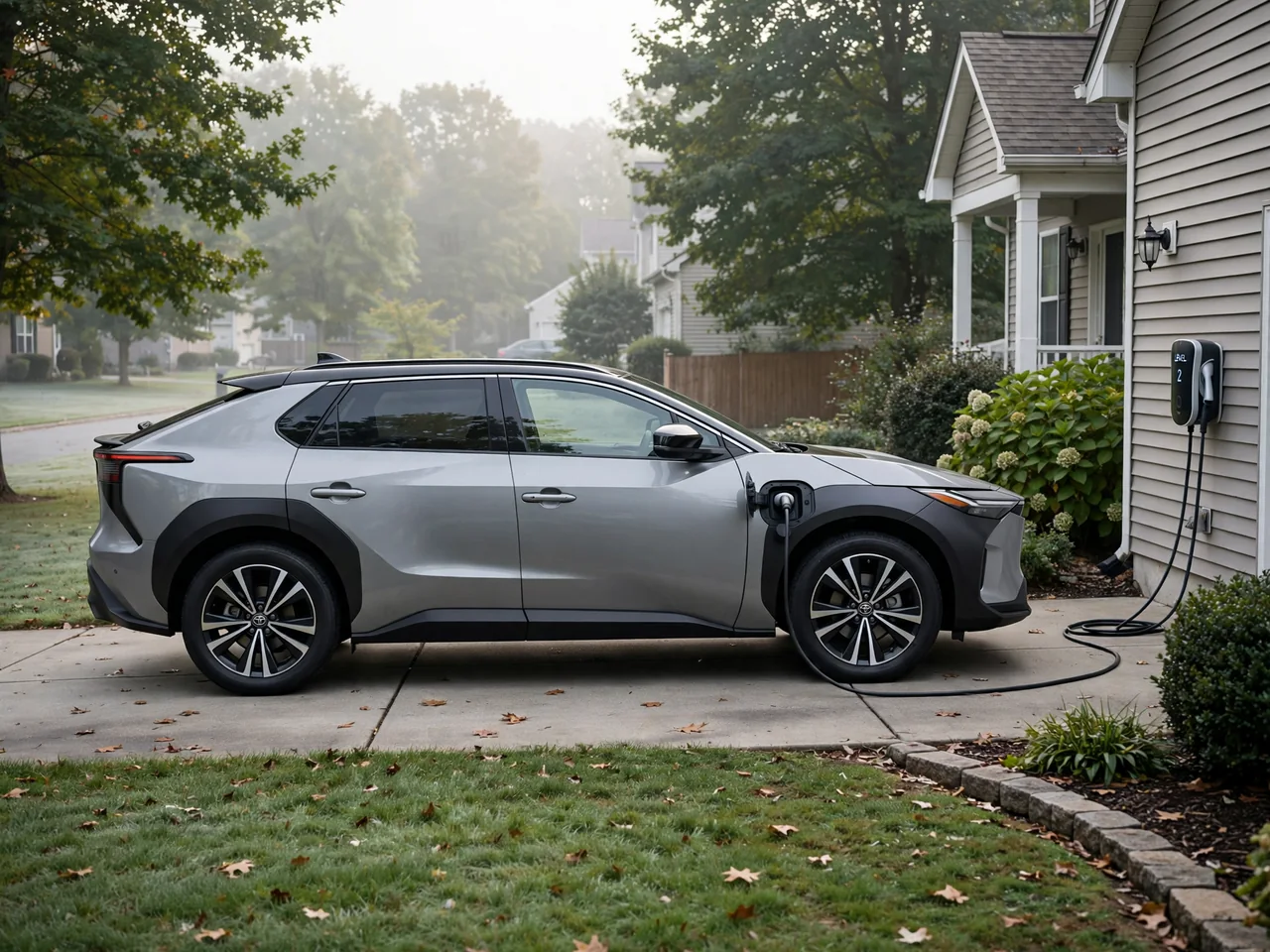
Shopping for a Toyota with electric range brings up many names: bZ4X, C-HR, the expected Highlander EV, Prius Prime, and RAV4 Prime. Buyers often mix up all-electric range, plug-in hybrid electric-only range, and conventional hybrid EV mode. This guide uses US EPA ratings and confirmed information to explain what each model can realistically cover on battery power, and how to plan a trip without range anxiety.
How to Read Toyota Electric Range Figures
Electric range is the estimated distance a vehicle can travel using only its battery before the engine or an external charge is needed. Plug-in hybrids list both an all-electric figure and a total range that includes gasoline. For example, a RAV4 Prime drives many miles in EV mode, then continues as a hybrid, so its total range is much higher. Always check the rating label: EPA Combined range is the standard US value, but the window sticker may also show City and Highway estimates.
The same battery delivers different distances depending on conditions. Cold weather slows chemical reactions and increases cabin heater draw, cutting effective range, while gentle highway driving at moderate speed often beats aggressive stop-and-go acceleration. Hills and heavy cargo also raise energy use. When planning a long trip in a Toyota EV or plug-in, start with the EPA figure for your exact trim, then reduce it by roughly 20 to 30 percent as a safety margin if temperatures drop or elevation changes.
Toyota bZ Range by Model Year and Configuration
Toyota's only widely available battery-electric model in the US is the bZ4X. EPA estimates vary by model year, drive type, and wheel size, so an older search for 'Toyota bZ EV range' usually means this crossover. Front-wheel-drive versions typically show more miles than all-wheel-drive versions with the same battery because one fewer motor and lower weight reduce energy demand. The exact figure belongs to the specific configuration, and quoting it without the drivetrain misleads shoppers.
The dashboard range estimator adjusts after each trip based on recent consumption. A cold morning commute with the heater on may show a much lower predicted distance than a mild afternoon drive, even at the same state of charge. That number is a forecast, not a guaranteed limit. For a journey, note the EPA rating, then set a conservative in-car distance target: if the route is 180 miles and your rated range is 250 miles, leave a buffer rather than assuming you can use the last few indicated miles.
Toyota C-HR Electric Range and the 2026 Model-Year Question
In the US, the Toyota C-HR was originally sold only as a gasoline model, with no plug. The current-generation C-HR, available in Europe and other markets, offers a hybrid and a plug-in hybrid variant, but those have not been certified by the EPA for the United States. Searches for 'Toyota C-HR EV range' or '2026 Toyota CHR EV range' may refer to that overseas plug-in or to a misunderstanding—US buyers cannot currently order a C-HR with an electric-only rating.
When reading overseas range numbers for the C-HR plug-in, treat them as local test-cycle results, not EPA figures. The WLTP cycle used in Europe commonly reports higher distances than the EPA test because it assumes milder speeds and temperatures. A 66-kilometer WLTP electric range does not translate into a fixed US EPA number. Until Toyota confirms US certification for a given model year, no reliable American range figure exists, and shoppers should avoid comparing those numbers to US-market bZ4X or Prius Prime ratings.
Highlander EV Range: What Is Confirmed for 2027
Toyota has announced plans for a three-row electric SUV to be built in Kentucky, widely reported as the Highlander EV, but no certified 2027 Highlander EV range has been published. Manufacturer statements often mention a target, such as around 300 miles, before EPA testing is complete. A target is not a certified value and can change with final battery size, motor output, weight, and tires. Until the window sticker appears, any quoted number should be labeled as expected or unconfirmed.
For range planning, buyers need three missing details: the final drivetrain configuration, the battery capacity, and the EPA Combined rating for each trim. The Highlander's larger body and potential all-wheel-drive setup will affect efficiency differently than a smaller bZ4X, so no one can infer exact miles from another Toyota EV. Until those figures arrive, treat the 2027 Highlander EV range as unresolved and rely on official Toyota and EPA releases rather than speculation.
Prius Prime and Prius Plug-In Electric Range
The Prius Prime is a plug-in hybrid, so its electric range counts only the miles it can cover before the gasoline engine typically starts. For recent model years, the EPA Combined electric range sits in the mid-40s for the base SE trim and slightly lower for XSE or Limited versions with larger wheels. Older models, sometimes labeled Prius Plug-in Hybrid, used a smaller battery and showed under 15 miles. Always match the figure to the model year and trim, since the badge alone does not tell the story.
That electric rating does not guarantee the engine stays off for that entire distance. Hard acceleration, high speed, very cold temperatures, or use of the front defroster can start the engine early. The car manages the handoff automatically, and the driver can still use EV mode at lower demand. A conventional Prius hybrid also has an EV mode button, but it only allows brief low-speed electric driving when the small battery has enough charge; there is no dependable fixed-distance promise, and owners should not treat it like a plug-in.
RAV4 EV and RAV4 Prime Electric Driving Range
Two very different Toyotas have used the RAV4 EV name, and the range figures differ sharply. The modern RAV4 Prime plug-in hybrid carries an EPA electric range of around 42 miles for most trims, though wheel size and options can reduce that by a few miles. The earlier battery-electric RAV4 EV, sold in limited numbers around 2012-2014, had an original EPA rating near 103 miles, but that was for a new battery under ideal conditions.
A used RAV4 EV's original rating cannot establish its present usable range. Lithium-ion capacity degrades with age, heat, depth of discharge, and charging patterns, so a ten-year-old pack may hold far less energy. A professional battery health check is necessary before relying on any distance. For the RAV4 Prime, electric range covers the first portion of a trip; when the charge is depleted, it operates as a normal hybrid, and total driving range is limited only by the gasoline tank.
EV Mode in RAV4 Hybrid and Highlander Hybrid
EV mode in a RAV4 Hybrid or Highlander Hybrid is designed for short, low-demand maneuvers: creeping in parking lots, quiet neighborhood driving, or moving the car a short distance from the driveway. The system automatically limits electric operation to light throttle, low speed, and moderate temperatures. If the battery charge is low, the heater is running hard, or the driver presses the accelerator firmly, the gasoline engine starts. There is no official EPA electric range for these conventional hybrids because the battery is not intended for sustained all-electric travel.
The dashboard energy monitor shows when the vehicle is using battery power and when the engine is running, but forcing EV mode is not recommended. The car decides the most efficient balance between the engine, motor, and battery, and overriding that control can reduce fuel economy. If a warning light appears or the hybrid system behaves unusually, a Toyota technician should inspect it. Safe operation means observing the normal indicators and letting the vehicle manage its own electric operation.