Toyota Corolla Manual Transmission: Sedan, Hatchback, and GR Years
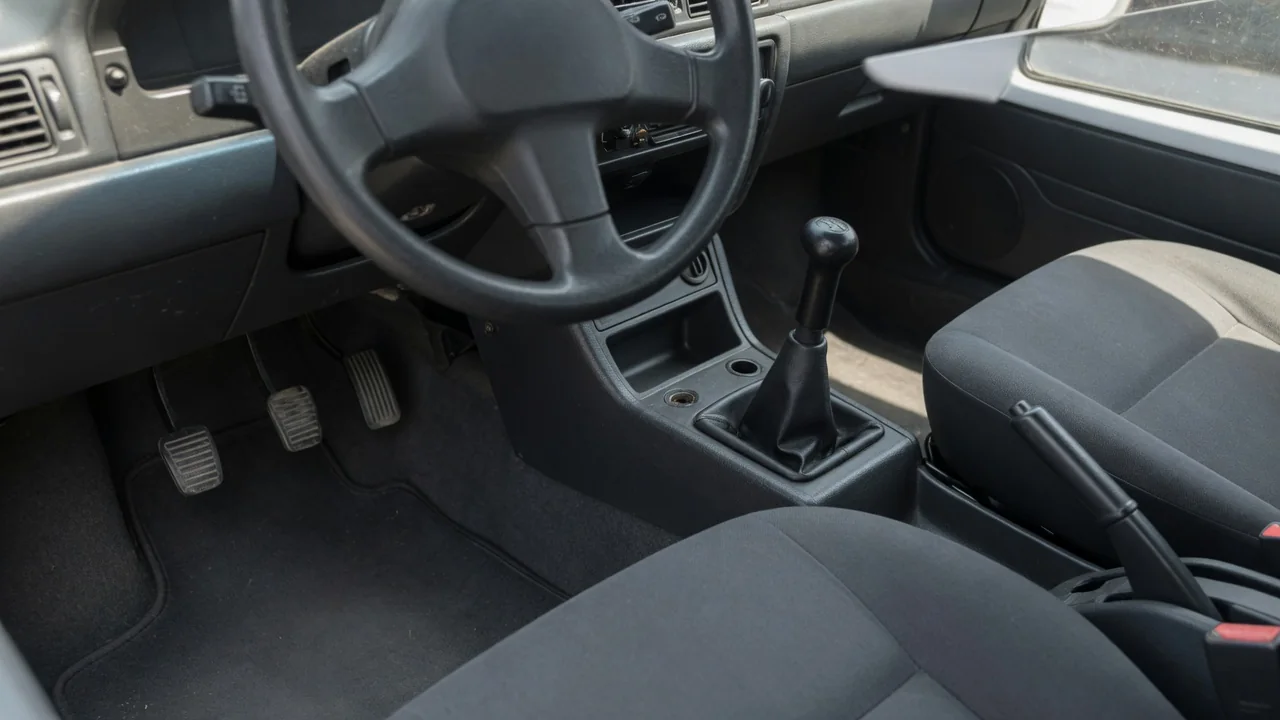
A Toyota Corolla with a manual transmission is not a single configuration. In the United States, sedan, hatchback, and GR Corolla models have offered a factory clutch and six-speed gearbox on different model years and trim levels. That US-market availability is the scope here. A listing still needs year, body style, and original equipment checked before you treat the car as a factory stick-shift build.
Identify a Corolla’s Manual Availability by Model Year and Trim
US-market Corolla sedan, hatchback, and GR Corolla lines are in view, not every Corolla sold worldwide. Factory equipment for a manual transmission Toyota Corolla has been a model-year and trim-level decision, not a body-style guarantee. A sedan from one generation may have offered a clutch pedal while a later sedan of the same name did not. The hatch and GR Corolla followed their own calendars. Confirm the trim, because another grade in the same year often received only a CVT or automatic.
Confirmed US availability clusters by model rather than by the word Corolla. Sedans offered a six-speed manual on selected earlier trims, then dropped it. The hatch later carried a stick on certain grades, and GR Corolla arrived with a factory manual as core equipment. Gaps remain where mid-generation packaging changed. A registration year, a seller’s “manual” label, or the model name alone cannot establish original equipment, because title years can lag, conversions exist, and sequential-gate automatics are still automatics.
Corolla Sedan Years and Trims Offered With a Manual
On US Corolla sedans, a factory manual has been a generation-and-trim story, not a constant. Earlier tenth-generation cars and the eleventh-generation sedan offered a six-speed manual on selected lower trims, typically the base L and, in some years, the S, while LE and other grades were packaged with a CVT. Generation boundaries matter: a 2013 sedan and a 2014 sedan are different platforms, and a 2020 twelfth-generation sedan is another family. Treat those cuts as the first filter before asking which trim still had a clutch.
The last US sedan years with a factory stick fall late in the eleventh-generation run, after which Toyota sold the sedan here without a manual. Mid-generation changes matter: a trim that offered a six-speed early on may have lost it before the 2019 closeout, so a later sedan should not be assumed to match a 2014 L. Confirm the car with the window sticker, a build inquiry, or photos that show three pedals and an H-pattern shifter, not a gated automatic lever.
Corolla Hatchback Manual Availability
The US Corolla Hatchback is a 2019-and-later nameplate, not a continuation of every five-door Corolla sold before it. Toyota offered a factory six-speed manual on that hatch for a limited run of early model years, concentrated on sport-oriented SE packaging rather than every hatch trim. XSE and other grades in the same years were often CVT-only, so a hatchback badge is not enough. Read Toyota Corolla hatch manual transmission listings against those model years and trims, then check the specific car.
Manual availability for the Corolla Hatchback ended on a model-year basis, not on a calendar-year guess about when a dealer sold leftover stock. After the early hatch years that listed a stick, later Corolla Hatchback model years were sold in the United States without a factory clutch. Keep Corolla iM and Scion iM listings out of that count. Those earlier five-doors used different names and years, and some offered a six-speed, but folding them into Toyota Corolla hatchback manual transmission availability misstates vehicle history and what a 2019-up hatch was built with.
GR Corolla Manual Transmission by Model Year
US GR Corolla models arrived for 2023 as a separate performance hatch, not as a Corolla Hatchback trim. Through the early model years, Toyota GR Corolla manual transmission equipment was factory six-speed gearboxes on the Core, Circuit Edition, and Morizo Edition lines. Later years added another transmission choice on some trims, so GR availability is no longer “manual by default” for every grade. Confirm the model year and trim together. A GR badge identifies the family; it does not, by itself, lock the gearbox.
The confirmed factory stick in GR Corolla is a six-speed manual. Intelligent manual features such as rev-matching smooth downshifts and reduce driveline shock; they are driver aids, not proof every year is optioned the same way. Assistance packages also vary by year and trim and should be read from the window sticker. When a model year offered more than one transmission, a GR listing still needs verification, because an automatic example can share the name, wheels, and photos of a clutch-pedal car.
Confirm That a Listing Shows a Factory Manual
Clear photos of a clutch pedal and an H-pattern shifter are the strongest visual evidence that a listing is a true manual transmission Corolla rather than an automatic with a sequential gate. Look for three pedals, a shift-pattern diagram on the knob, and no park position on the lever. A “manual mode” or paddle-shift description on a CVT or automatic does not establish a manual gearbox. If the only interior shot hides the footwell or shows a gated lever, treat the claim as unproven.
Match listing language to vehicle-specific factory equipment. The original window sticker, a Toyota build record, or a dealer invoice will name the transmission; a basic VIN decoder often omits that line. Ask for those documents. Conflicting photos, a trim that never offered a stick in that model year, or a disclosed conversion are reasons to reconstruct vehicle history. A swapped gearbox can still be usable, but it is not factory equipment, and insurance, warranty, and parts questions change with that history.
Evaluate a Used Manual Corolla Before Buying
Review service records and ask what work has been done on the clutch, hydraulics, and gearbox without treating any mileage as a scheduled replacement point. Clutch life depends on traffic, towing, launch habits, and prior owners, so there is no universal interval to demand. Ask whether the car has aftermarket short shifters, lightweight flywheels, or engine tunes that change how the driveline is loaded. A quiet history is useful; a missing history is a reason to budget for inspection rather than assume the six-speed is untouched.
On a lawful, ordinary test drive, note difficult engagement, grinding, unusual vibration through the lever or pedal, or engine speed rising without expected acceleration, which can point to clutch slip. Those symptoms do not name a failed part; a hydraulic leak, worn disc, synchro issue, or engine problem can overlap. Have a qualified shop inspect the car if anything feels off. For operation and maintenance, use the owner’s manual for that model year and body style rather than generic fluid lists or copied service schedules.