Toyota Camry Sway Bar Links: Fitment Guide
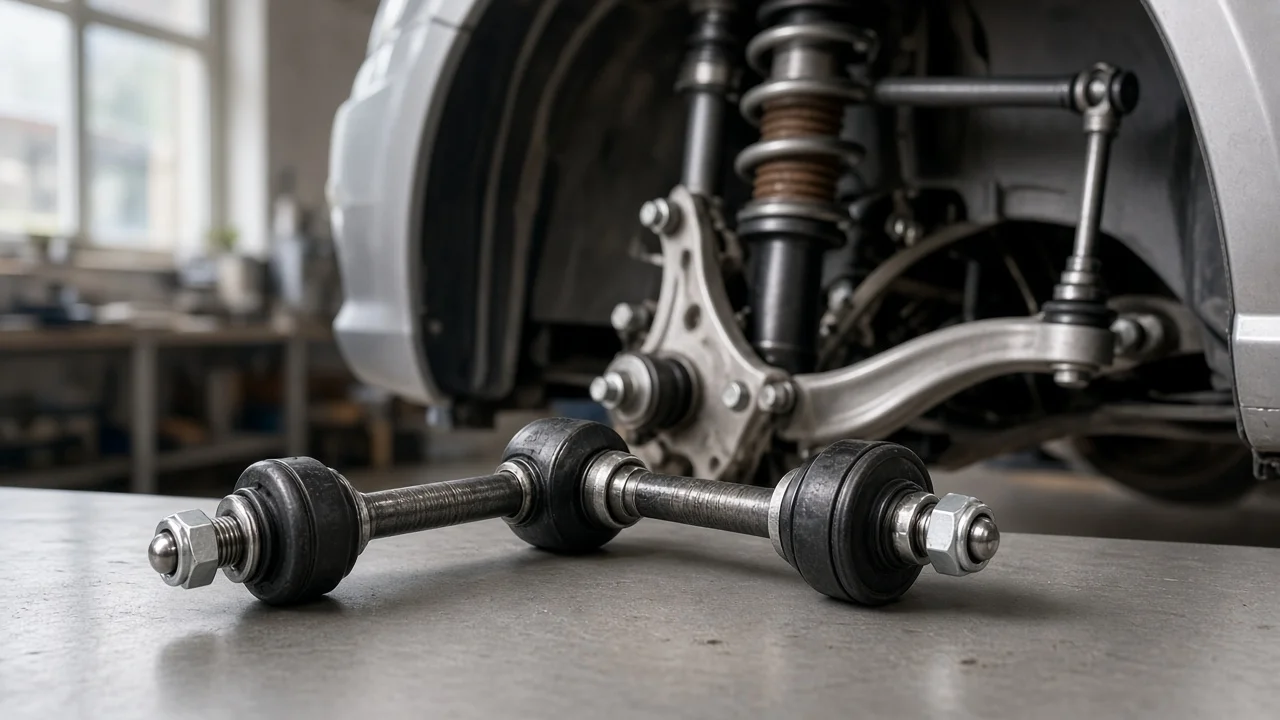
Sway bar links are a frequent suspension repair on the Toyota Camry, and they are easy to order wrong. The correct link depends on model year, generation, axle position and, on some cars, drivetrain or trim. This guide explains how to confirm fitment for your exact vehicle configuration, how the links work, which symptoms point to wear, and when a professional inspection makes more sense than ordering parts yourself.
Which sway bar links fit your Camry
No single sway bar link fits every Camry. Front and rear links are different parts. You also should not assume a link from one generation carries over to another, because the Camry has been built on several platforms: 2007–2011, 2012–2017, 2018–2024 and 2025 onward. The reliable way to get the right part is to match it to your vehicle identification number (VIN), or at minimum to the exact model year, engine, drivetrain and axle position. A VIN-based catalog lookup accounts for production changes that a search by year alone can miss. Links are usually sold per side. On some applications the left and right links are the same part, while on others they are mirror images with different part numbers, so check the listing rather than assuming.
When replacing worn links, confirm that the listing names your Camry and the specific position: front or rear, left or right. If a listing says only that it fits a Toyota sedan, or covers a wide span of years without position details, verify it before you order.
How sway bar links work
The sway bar, also called a stabilizer or anti-roll bar, is a steel bar that runs across the car and ties the left and right suspension together. When the car leans in a turn, one wheel compresses while the other extends, which twists the bar. The bar resists that twist and reduces body roll. Sway bar links are the short connectors between the ends of the bar and the suspension, so the bar's force is transmitted through them.
At the front of a Camry, the links typically connect the stabilizer bar to the strut assembly. At the rear, they connect the bar to a suspension component, and the attachment point varies by generation. Most replacement links have a small ball joint at each end, sealed with a rubber boot and secured with a threaded stud and nut. Once a boot tears or a joint wears internally, the link develops free play. That play lets the bar knock as the suspension moves, which is why worn links are usually heard before any change in handling is obvious.
What changes the correct part
Model year is the first filter, but generation boundaries and mid-year production changes also matter. A car built late in one model year can use different parts from a car built early in the same year. That is why the VIN, or the production date on the driver's door jamb label, is more dependable than the model year alone.
Drivetrain and trim can also affect fitment. All-wheel-drive versions, offered in later years of the 2018–2024 generation, may use different rear suspension components from front-wheel-drive cars. Sport-oriented trims may have different suspension tuning. Hybrid models share much of their chassis with gasoline versions, but that does not guarantee identical links. Let the parts catalog confirm each of these details instead of relying on general compatibility claims.
Modifications change the picture too. Lowering springs, lift kits and aftermarket stabilizer bars all change the link length or angle that works correctly. On a modified Camry, a standard-length link can preload the bar or bind at the ends of suspension travel, and an adjustable link may be the better choice. Operating conditions such as rough roads, potholes and road salt affect how quickly links wear, but not which part fits. They matter for inspection timing, not for fitment.
How to inspect the links
The classic sign of a worn sway bar link is a clunk or rattle from one corner over small bumps, broken pavement or driveway transitions, often most noticeable at low speed. Start with a visual inspection. A torn or missing boot, leaking grease, heavy corrosion around a joint, or a bent link body are all reasons to replace that link. Then, with the car safely parked, grip the link and push and pull it firmly. A healthy link feels tight. Knocking or visible movement at either ball joint indicates wear. Other parts can make similar noises, including strut mounts, stabilizer bar bushings, control arm bushings and tie rod ends, so check those before concluding the links are at fault.
Your service history helps here. If one link was replaced recently and the noise has returned, look harder at the surrounding components. Many owners replace both links on the same axle at once so the two sides are in the same condition. That is a reasonable choice, not a requirement.
Choosing and installing replacement links
Genuine Toyota links are built to the original specifications. Aftermarket links vary in design: some have greaseable joints or heavier bodies, and quality and warranty coverage differ by brand. Whichever you choose, the fitment rules above still apply. The part must match your Camry's generation, position and drivetrain.
Replacing links is a common do-it-yourself job, but a few details decide whether it goes smoothly. The stud often spins along with the nut, so most links have a hex or Torx socket in the end of the stud, or flats on the body, to hold it while you turn the nut. Fasteners exposed to road salt may seize and need penetrating oil, heat or cutting. Tighten the new nuts to the torque listed in the manufacturer specifications for your vehicle, not a generic figure, and use new nuts if the service information calls for them.
Some procedures require final tightening with the suspension at normal ride height, so follow the procedure for your Camry. Replacing links alone does not normally affect wheel alignment. If the job expands to struts or control arms, plan on an alignment check afterward. To confirm the repair, drive over the same road surface that produced the noise.
Limitations and next step
Sway bar links have no universal replacement interval. They are generally replaced when an inspection shows wear, and your Camry's maintenance schedule lists the suspension checks Toyota recommends. Get professional help if the noise persists after replacement, if fasteners are seized or damaged, if the stabilizer bar or its bushings look worn, if you cannot confirm your vehicle's exact configuration, or if you lack the equipment to support the car safely. A technician can also tell link noise apart from strut, bushing or steering component wear, which is difficult to do by ear.
Before ordering, note your VIN, model year, trim, engine and drivetrain, plus the corner where the noise comes from. Use that information in a VIN-based parts lookup or give it to a parts counter. This is the most direct way to get Camry sway bar links that fit the first time.