Toyota Camry Strut Replacement: Signs, Cost and What to Expect
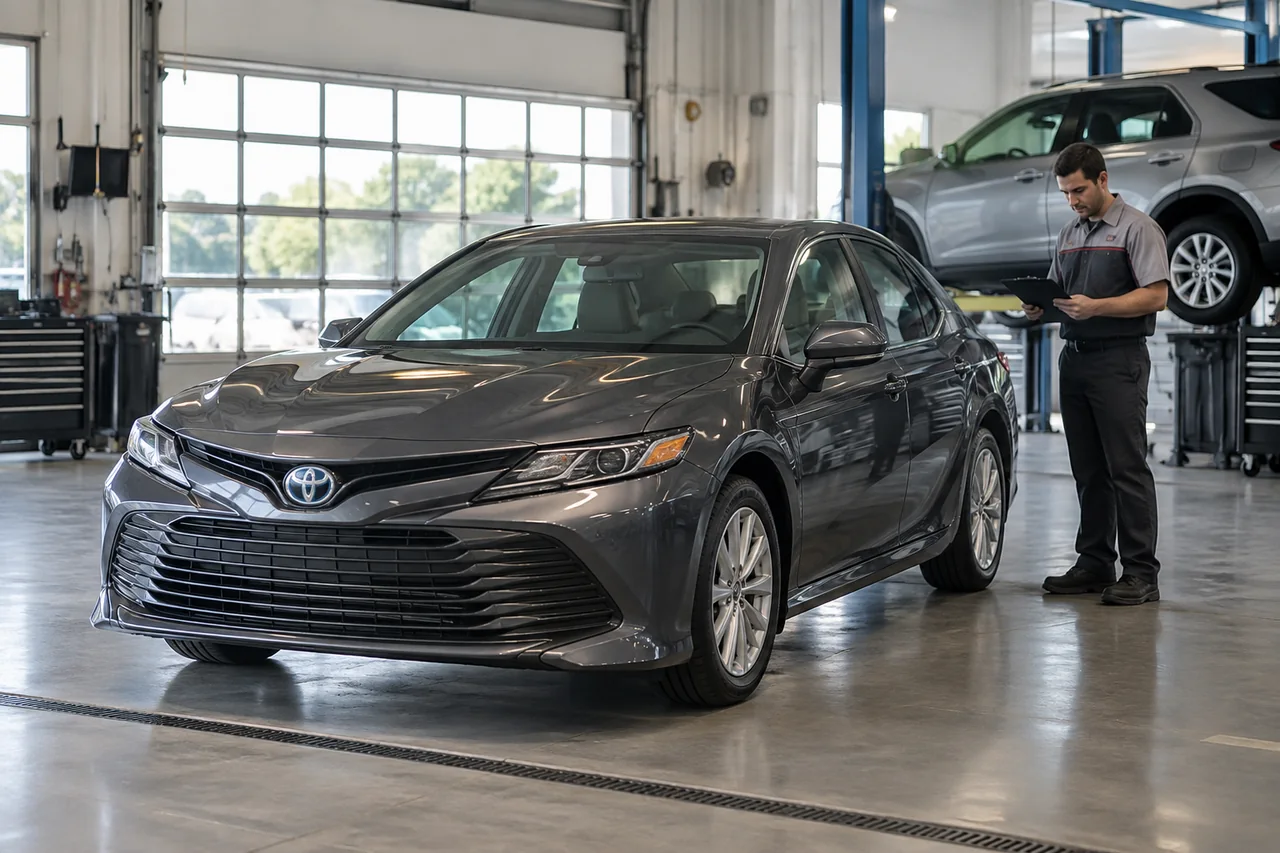
Toyota Camry struts help control suspension movement so the tires stay planted and the cabin stays settled. Owners looking for struts for a Toyota Camry usually need wear signs, a replacement plan, and cost context rather than a mileage-based swap. Across generations, including the 2007 era, year, trim, and axle position determine which strut assembly belongs on the car.
What Camry Struts Do and Why Vehicle Details Matter
Struts on a Toyota Camry combine damping with structural support for the suspension, so they do more than soften bumps. As the wheel moves, the strut assembly helps control that motion, keeping the tire in contact with the pavement through braking, cornering, and ordinary road irregularities. That same control supports steering response and ride comfort. When damping fades, the body can take longer to settle, the steering can feel less precise, and the tire contact patch can vary more than it should over uneven pavement.
Identifying struts for Toyota Camry use starts with the vehicle, not a generic catalog name. Model year, trim, optional suspension equipment, and whether the part is for the front or rear axle all change the correct assembly. A part that fits one generation will not automatically fit another, and even cars of the same year can differ. Mileage is a poor substitute for condition. High-mileage struts can still damp well if they were not abused, while lower-mileage units can leak, knock, or lose control after rough roads or impact damage.
Symptoms That Warrant a Suspension Inspection
Persistent bouncing after a dip, unsettled handling in ordinary turns, clunks over driveway lips, and uneven tire wear are reasons to schedule a suspension inspection rather than assume the struts have failed. Ride control problems on Toyota Camry models often share symptoms with worn strut mounts, tired springs, loose hardware, alignment issues, or tires that are cupping or wearing on one edge. Those overlapping clues mean the inspection should look at the whole corner of the car. Symptoms point to a system that needs evaluation; they do not, by themselves, prove a strut is the only worn part.
Safe checks start with ordinary driving and a walkaround on level ground. Listen for repeated knocks over the same pavement joints, notice whether the body keeps oscillating after a speed bump, and look at tire shoulders for scalloped or one-sided wear. Do not crawl underneath the car or try to provoke handling problems at speed. If the Camry feels severely unstable, the steering changes suddenly, or a tire shows visible damage such as a bulge or separated tread, stop in a safe place and arrange professional assistance instead of continuing the trip.
Confirming Strut Fitment for a 2007 Toyota Camry
For 2007 Toyota Camry struts, VIN-based fitment is the practical starting point. That year family includes more than one trim and suspension layout, so a catalog match on model year alone is not enough. Confirm the trim, any relevant suspension specification, and whether the listing is for the front or rear axle, and for the left or right side if the part is side-specific. Struts for a 2007 Toyota Camry that ignore axle position can look interchangeable in a search result and still be the wrong assembly once they arrive.
Before ordering, confirm what the selected strut assembly includes. Some packages are the damper only; others combine a spring, strut mounts, a bearing plate, boots, or hardware. Assuming every kit for Toyota Camry 2007 struts contains the same pieces leads to missing parts on the day of the job. Prior repairs and modifications matter as well. Lowering springs, mixed aftermarket dampers, or a previous one-side replacement can leave the car with components that no longer match the original catalog, so inspecting what is actually installed is necessary before parts are finalized.
What Professional Strut Replacement Involves
Replacing struts on a Toyota Camry is more than unbolting one unit and installing another. A shop should diagnose the complaint, confirm fitment for the specific vehicle, replace the approved assemblies, inspect related parts, and complete the checks required by the service procedure. Compressed coil springs store hazardous energy, so spring handling belongs with equipment and training designed for that work. Owners should not attempt to compress or disassemble a loaded strut at home. The professional sequence exists because a mistake with a spring can cause serious injury, not because the job looks simple from the driveway.
Ask the shop whether both struts on the affected axle should be replaced and what inspection findings support that scope. Pairing a new assembly with a worn mate on the same axle can leave ride height, damping, and tire loading uneven from side to side. Mounts, spring seats, boots, bump stops, and fasteners may need attention based on their condition and on what the new assembly already includes. If a complete strut assembly arrives with a mount and spring, reused hardware still deserves a look for corrosion, rounding, or stretched threads before the car is released.
What Shapes a Camry Strut Replacement Estimate
The cost to replace struts on a Toyota Camry is not a single figure because the work is specified by the vehicle. Specification, the affected axle, the number of assemblies, parts selection, labor time, and local shop rates all move the total. Front work can differ from rear work in both parts and labor. A complete loaded assembly may change the job compared with a damper-only unit that still needs a spring and mount transferred. Toyota Camry struts replacement cost therefore has to be quoted from the actual car and the chosen parts.
Assembly contents, corrosion, and damaged associated components can expand the quoted work after the car is on the lift. Seized hardware, rusted spring seats, or a torn boot discovered during replacement should appear as additional items rather than disappearing into a lump sum. Request an itemized repair estimate that lists parts, labor, wheel alignment, taxes, and applicable fees, with extra repairs clearly identified. Before authorizing, confirm the scope in writing and ask what the parts and labor warranty covers, including whether alignment is included. That conversation establishes the job without treating any one total as universal.
Alignment and Follow-Up After Strut Replacement
Strut replacement can change camber, caster, and toe because the assembly locates the steering knuckle and helps set ride height. Geometry on Toyota Camry models should then be checked according to the applicable vehicle service procedure rather than assumed to be unchanged. Ask whether an alignment check and any required adjustment are included in the estimate after the assemblies are installed. Completing the mechanical replacement without verifying wheel alignment can leave the steering off-center and continue the uneven tire wear the repair was meant to address.
After the car is returned, check steering-wheel position on a straight, level road, listen for new or remaining clunks, and notice whether the ride settles in ordinary driving. Existing tire wear does not disappear when new struts go on; cupped or shoulder-worn tires can still pull, hum, or follow ruts until they are rotated, replaced, or both. If pulling, clunks, or instability persist after the alignment, the car needs further inspection of mounts, remaining suspension joints, tires, and torque on the newly installed hardware rather than a second guess that the struts were never the issue.