Toyota Camry PCV Valve Location and Replacement: 2007–2014
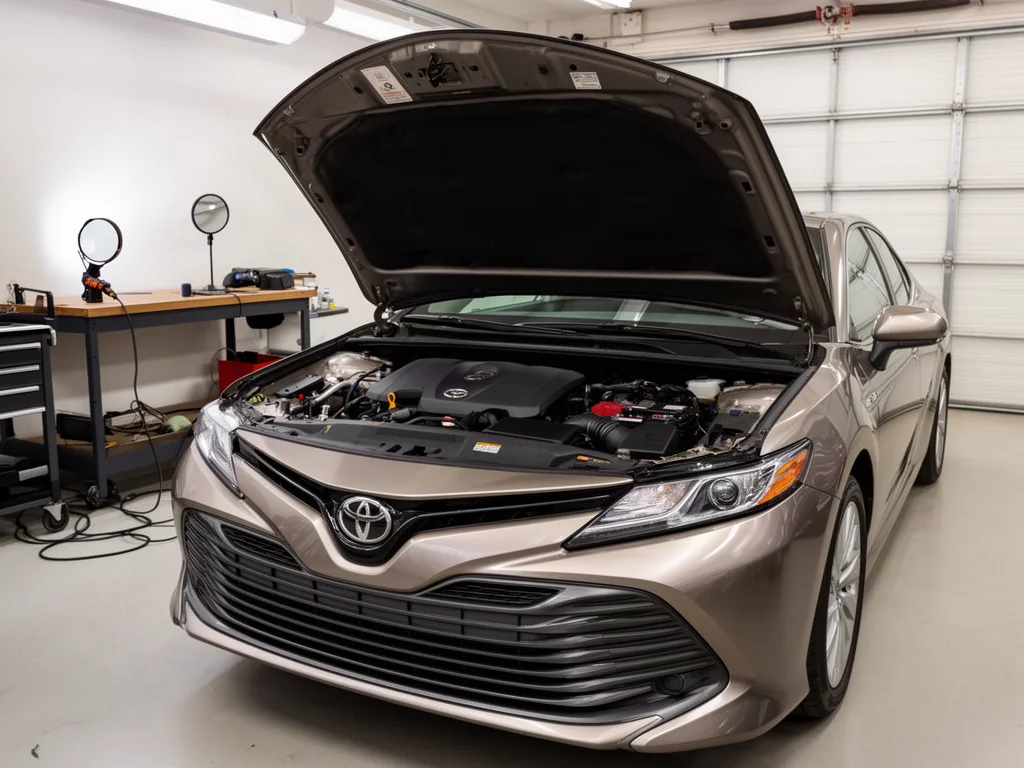
A Toyota Camry PCV valve meters oil vapor and blow-by into the intake under vacuum so crankcase pressure does not build. On 2007–2014 four-cylinder and V6 models, including hybrids, location and replacement parts follow the engine, not only the year. Confirm the year and engine first, then use that reference to find the valve, inspect the PCV hose, and plan service.
Identify the Camry’s Engine Before Locating the PCV Valve
The PCV valve on a Toyota Camry meters crankcase gases and oil vapor into the intake under vacuum while limiting reverse flow when vacuum is low. That routing keeps crankcase pressure from forcing oil past seals. On 2007–2014 Camry four-cylinder and V6 gasoline engines, and on Camry Hybrid powertrains of those years, the valve serves the same purpose. Hybrid applications use different engine hardware, so PCV valve location and parts are not interchangeable with a non-hybrid four-cylinder of the same year.
Engine identification comes before any search for a PCV valve Camry owners try to spot from a photograph. Read the certification label and VIN-derived model year, then match the underhood engine label or stamped identification to the four-cylinder, V6, or hybrid listing in the service information for that year. A 2007 Toyota Camry PCV valve, a 2009 four-cylinder, and a later four-cylinder layout do not share one mounting. Location, access, the PCV hose, the PCV valve seal, and installation specifications all require that engine-specific reference rather than a year-only guess.
Locate the PCV Valve on a 2007 or 2009 Camry
On a 2007 or 2009 Toyota Camry, treat the four-cylinder and V6 as separate engines. With the hood open and the front of the vehicle as the viewing reference, both place the PCV valve in the valve-cover area. The four-cylinder valve sits with the single cam cover and a short PCV hose into the intake. The V6 valve sits with one bank's cover, so the hose to follow is that cover's crankcase-to-intake line, not a crossover or purge hose. Confirm which engine is installed before following either path.
An engine-specific diagram distinguishes the PCV valve and its hose from other ventilation connections on a 2007 or 2009 layout. Breather and vacuum lines can look similar until the drawing labels the metered path. Inspect only with the engine off and cool: hose routing, connection seating, and oil staining at the valve-cover boss are visible without running the engine. Plastic covers, the intake, and the cowl can hide the fitting, so leave those assemblies in place. Restricted sight lines mean you stop at visual confirmation rather than forcing access.
Find the PCV Valve on a 2010 or 2011 Camry
For 2010 and 2011 Toyota Camry PCV valve location work, confirm the engine before using any picture from an earlier year. The 2010–2011 four-cylinder is not the same hardware as the 2007–2009 four-cylinder, so a 2007 illustration can send you to the wrong cover boss. The V6 remains a separate layout. On each engine, the valve still belongs to the valve-cover and PCV hose path into intake vacuum. Identify the hose that leaves the cover and enters the intake, then match that connection on the engine diagram for the VIN's engine code.
Service information for the 2010–2011 four-cylinder, matching V6, and Camry Hybrid each names a specific hose connection at the cover. Follow that labeled PCV hose from the intake vacuum port back to the valve rather than treating every rubber line on the cover as the metered path. A flashlight helps on shadowed bosses; an inspection mirror helps where the hose disappears toward the firewall. When covers, the intake, or hybrid packaging block a clear view, stop. Restricted access warrants professional inspection rather than prying nearby parts from a generic Camry photo.
Find the PCV Valve on a 2012–2014 Camry
2012 Toyota Camry PCV valve location and 2014 Toyota Camry PCV valve location still split by engine. The 2012 Camry PCV valve on the four-cylinder is a valve-cover component feeding the intake through a PCV hose; the V6 valve is a cover-mounted part on its assigned bank. Do not copy a 2007–2009 four-cylinder picture onto a 2012 Toyota Camry PCV valve search. For 2013, use the same engine-confirmation step rather than assuming the 2012 drawing applies until the service information for that VIN lists the same engine and ventilation layout.
On 2012 and 2014 four-cylinder and V6 engines, the valve mounts at the valve cover, with the hose running from that boss to an intake vacuum port. Landmarks are the cover, the intake, and labeled ventilation nipples on the same cover. Camry Hybrid models in this span are a separate application; access can be tighter around hybrid packaging, and a shared year does not mean shared instructions. Before ordering parts or planning removal, confirm the component is the metered valve on the crankcase-to-intake path, not a breather fitting.
Assess Symptoms and Visible PCV System Issues
Rough idle, oil leakage, oil consumption, and an unusual whistle can justify inspecting the PCV system, but they do not prove the valve has failed. Those complaints also come from a vacuum leak, worn valve-cover gaskets, ring sealing, or an intake issue. A whistle may be unmetered air at a cracked PCV hose or a loose fitting, not a stuck valve. Use the symptoms as a reason to inspect the accessible path with the engine off and cool, then decide whether the valve, hose, or another leak path needs professional testing.
With the engine off and cool, inspect reachable hoses and connections for cracks, collapse, disconnection, and oil residue at the PCV valve seal or hose ends. Residue shows oil vapor has been present; it does not confirm a stuck or leaking valve. A rattle, if heard without removing the part, only shows a moving element may still be free, and a quiet valve is not proof of failure. If idle, consumption, or leak symptoms persist after obvious hose damage is ruled out, have crankcase-pressure, vacuum, and leak tests done before replacing parts.
Plan PCV Valve Replacement and Verify the Result
Toyota Camry PCV valve replacement is a planning sequence, not a universal swap. Confirm the valve against the engine diagram, judge whether access is open, then order the valve and any specified PCV valve seal or hose for that engine. A 2011 Toyota Camry PCV valve replacement follows the confirmed four-cylinder, V6, or hybrid application; tight hybrid or V6 packaging can make professional service the safer choice. Use only that engine's service procedure and installation specifications rather than a year-only parts list.
Installation torque and sealing details are engine-specific. Do not apply a generic torque, assumed thread sealer, or an unverified aftermarket match. Aged PCV hoses can crack when flexed, and cover threads can pull if the old valve is forced. When the boss is buried or hoses are brittle, professional replacement is appropriate. After service, confirm the hose is fully seated, check the PCV valve seal area for oil seepage, and watch for warning lights or unchanged idle and oil consumption. Replacement does not guarantee those symptoms will clear.