Toyota and Lexus Power Steering Fluid: Camry, Tacoma and More
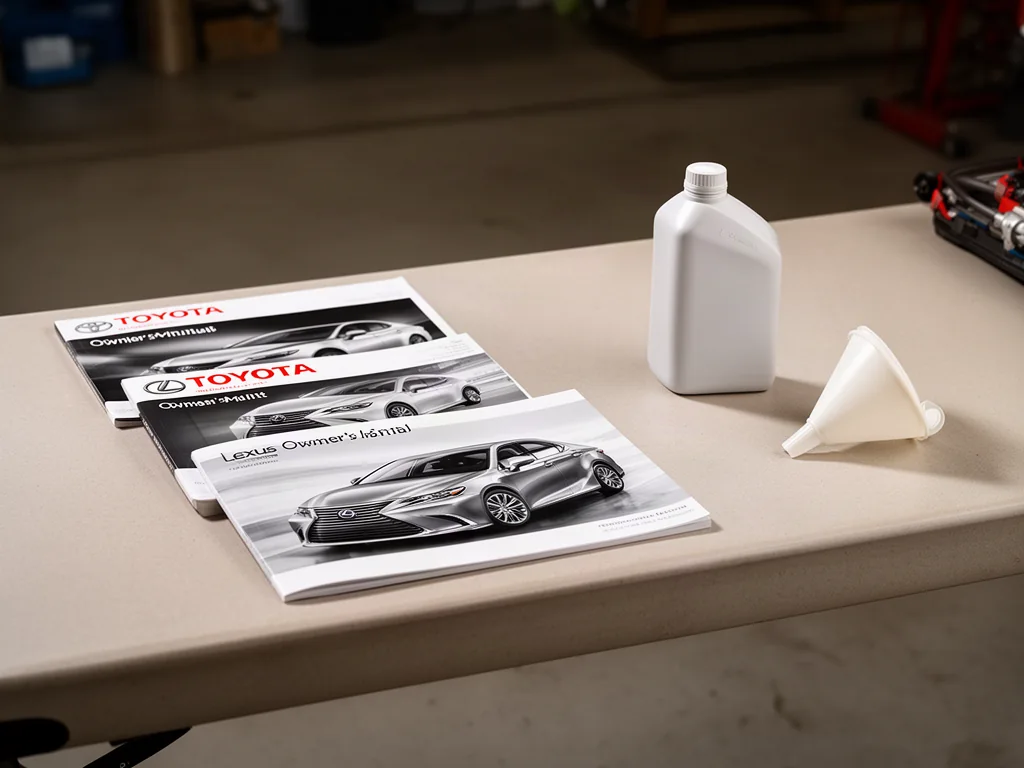
Choosing power steering fluid for a Toyota or Lexus starts with a simple question: does the vehicle use steering fluid at all? Many newer models use electric power steering, while others rely on a hydraulic pump and reservoir. This guide explains how to confirm the system on a Camry, Tacoma or Lexus, match the documented fluid specification, and check the fluid level without guesswork.
Confirm Whether Your Toyota Uses Power Steering Fluid
Before you buy Toyota power steering fluid, find out which steering system your vehicle has. Toyota has built models with hydraulic power steering, where a pump pressurizes fluid to assist the steering gear, and models with electric power steering, where a motor on the column or rack provides assist. The answer can change with model year, engine and drivetrain, so one nameplate may use different systems across generations. Hydraulic systems need the correct fluid. Electric systems have no steering fluid to add.
The most reliable starting point is the owner's manual. Look in the maintenance and specifications sections for a power steering entry and its listed fluid specification. If no steering fluid is listed, the vehicle likely uses electric assist. Don't rely on failing to spot a reservoir under the hood, because reservoirs can sit in awkward places or be mistaken for brake or coolant tanks. If the manual is missing or unclear, a Toyota dealer's parts or service department can look up the specification by VIN, which ties the answer to your exact build.
Find the Power Steering Fluid Specification for Your Camry
The right power steering fluid for a Toyota Camry depends on which Camry you own. Note the model year, engine and trim before searching, since Camry generations have not all shared the same steering design. With that information, open the owner's manual to the maintenance or capacities section and find the power steering listing. If the car has hydraulic steering, write down the fluid designation exactly as printed, including any letters or numbers. Then compare it with product labels instead of relying on memory or general advice at the parts counter.
If your Camry has electric power steering, there is no steering fluid to check or top off. Pouring fluid into the wrong reservoir can cause real damage. Heavy steering, a warning light or uneven assist on an electric system calls for electrical, sensor or mechanical diagnosis, not more fluid. Be cautious with forum posts or parts listings that assign one fluid to every Camry, because a recommendation for one year may not fit another. Check any year-specific advice against the manual or a VIN lookup before buying.
Check Your Tacoma's Steering System and Fluid Requirement
Questions about Toyota Tacoma power steering fluid also start with the model year, cab, engine and drivetrain, because truck generations can use different steering hardware. Check the owner's manual for a power steering fluid entry. If one is listed, the truck has a hydraulic system, and the manual will name the required specification. Under the hood, a hydraulic Tacoma has a power steering reservoir connected by hoses to a pump. Finding it helps confirm the system, but the written specification decides which fluid goes in.
Reservoir caps and tanks often carry markings that back up the manual. A generic label such as a fluid type name or the words "power steering fluid" is not a complete specification, though. Trucks also tend to pick up modifications from previous owners, such as lift kits, steering upgrades, engine swaps or replacement racks and pumps. If you bought a used Tacoma with an unknown service history or aftermarket parts, confirm what is actually installed before adding anything. A replaced component may have its own fluid requirement.
Verify the Correct Fluid for Your Lexus Model
Choosing power steering fluid for a Lexus follows the same logic, but the lineup is broad, covering sedans, coupes, crossovers and body-on-frame SUVs. Identify the exact Lexus model, model year and configuration, such as engine or drive type, before looking for fluid. Some Lexus models share platforms with Toyota vehicles, but shared engineering does not guarantee the same steering system or fluid. A bottle labeled for Toyota applications does not prove on its own that it suits your Lexus, so treat that label as a starting clue only.
For a hydraulic Lexus system, find the specification printed in the Lexus owner's manual. Compare it with the fluid maker's published application or technical information, which should state the specifications the product meets. If the Lexus uses electric power steering, adding fluid cannot fix a warning message or reduced steering assist, because the assist system contains no fluid. Those symptoms call for a scan with suitable equipment and a professional to interpret it. A stored fault code is evidence to investigate, not proof that a specific part has failed.
Match the Bottle Label to the Documented Specification
Some hydraulic power steering systems are designed to use automatic transmission fluid rather than a dedicated steering fluid, which surprises many owners. Whether that applies to your vehicle depends entirely on its documentation. Only put automatic transmission fluid in the steering system when the manual or a VIN-based lookup calls for it. When you shop, match the manual's full designation to the bottle label or the product's technical data sheet. Specifications with similar names are not automatically interchangeable, and a single letter or version difference can matter.
Fluid color is a weak clue, because dyes vary, fluid darkens with age and different formulations can share a color. A familiar brand or a "universal" or "multi-vehicle" claim cannot establish compatibility either, unless the product explicitly lists your required specification. Mixing incompatible fluids may affect seals, hoses and steering feel over time. If you don't know what fluid is already in the system, or the manual, cap and service records disagree, have a qualified service provider confirm what is suitable before you top off or mix products.
Check Fluid Level Safely and Recognize When Service Is Needed
Check the fluid level only as the owner's manual describes, because procedures vary. Some reservoirs have separate hot and cold marks. The manual may also say whether the engine should be off or running and whether the fluid should be at operating temperature. Park on level ground, wipe around the cap before opening it to keep dirt out, and read the level against the correct mark for the conditions. A level that keeps dropping usually means fluid is leaking somewhere, and repeated topping off only hides the cause.
Signs that call for a professional inspection include wet residue on hoses or around the rack, drips under the front of the vehicle, foamy fluid, whining or groaning while turning, and steering effort that changes or feels uneven. These observations help a technician narrow down the problem, but symptoms alone cannot identify a failed pump, hose or rack. If steering assist disappears suddenly or the vehicle becomes hard to control, stop safely and call for help. Leave bleeding, flushing and pressure testing to qualified service with the proper equipment.