Toyota 4Runner Torque Converter Shudder Diagnosis
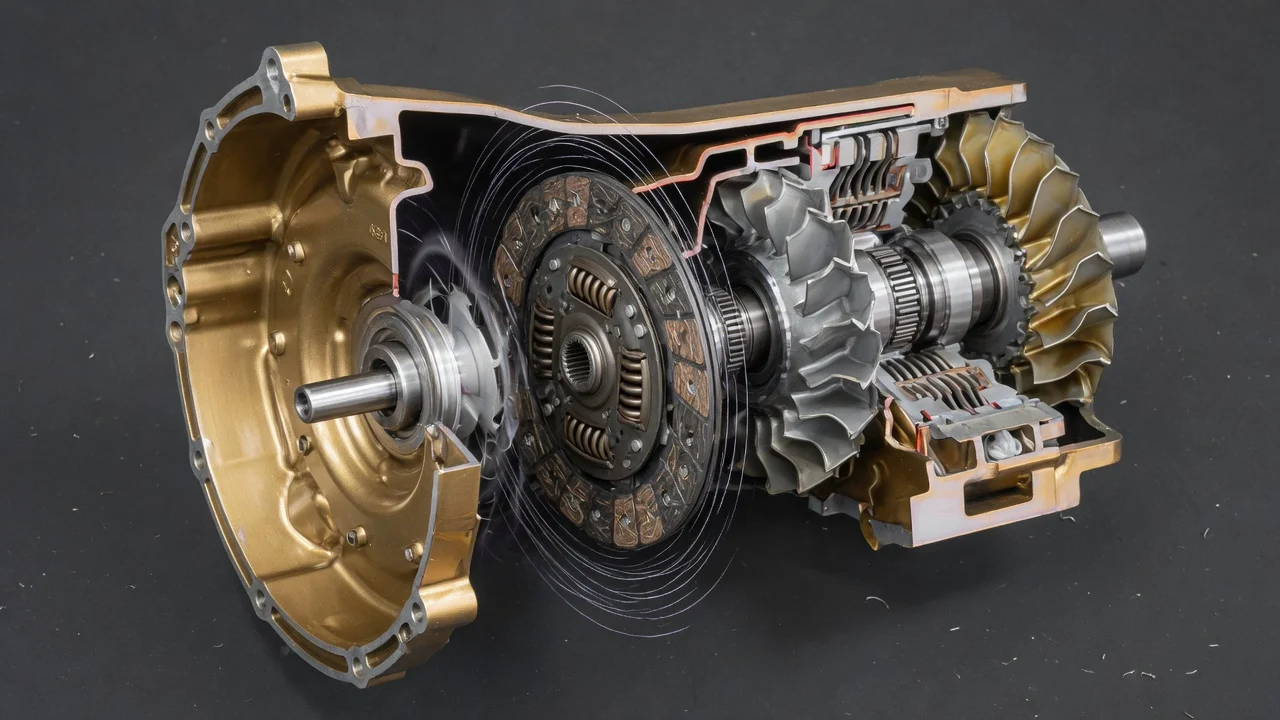
A shudder that feels like rolling over rumble strips at a steady cruising speed is a common drivability complaint on automatic 4Runners. It often happens when the torque converter locks up, but engine misfires, worn driveline parts and tire problems can feel almost the same. This guide covers how to describe the shudder, tell the likely causes apart, check things in a sensible order and read the results before any part is replaced.
Establish the symptoms
Start by identifying the vehicle exactly: model year, engine, two-wheel or four-wheel drive, and transmission type. Depending on generation and engine, a 4Runner may have a four-speed automatic, a five-speed automatic from Toyota's A750 family, or, on the newest generation, an eight-speed automatic. The transmission code is listed on the vehicle build information, and a dealer or parts counter can confirm it from the VIN. This matters because the fluid specification, the fill and level-check procedure, and the way the converter lockup clutch is controlled all differ between units.
Next, write down when the vibration appears. Note the speed range, the gear if you can tell, how much throttle you were using, whether the engine was warm, and whether you were climbing a grade, towing or carrying a load. Converter shudder usually shows up at moderate, steady speeds under light throttle, often during gentle acceleration, and may fade with more throttle. Also record related signs: a steady or flashing check engine light, engine speed flaring, harsh or late shifts, clunks, or vibration felt while stopped. Finally, list recent changes such as a fluid service, new or larger tires, a lift kit, a gear ratio change, an aftermarket tune or a disconnected battery.
Distinguish plausible causes
The torque converter lockup clutch and the fluid that lubricates it are the usual suspects. The lockup clutch relies on the friction properties of the transmission fluid. As fluid ages, or if the wrong fluid is used, those properties change, and the clutch can grab and release rapidly instead of applying smoothly. This explanation is supported when the shudder appears only as lockup engages, engine speed barely changes, and the shudder stops when lockup is released by a light brake tap or more throttle. It is weakened if the vibration also occurs at idle, in neutral or with lockup off.
The lockup control side is a separate possibility. The transmission computer applies the converter clutch through a solenoid and the valve body, and wiring faults, a sticking solenoid or valve body wear can cause uneven apply. Diagnostic codes related to converter clutch performance or the lockup pressure control solenoid circuit point toward this area. However, a code only says the computer saw a problem in that circuit or function, not which component failed.
Several other faults closely mimic converter shudder. An engine misfire tends to get worse under load, may set a misfire code and can continue with lockup off. Driveline problems such as worn universal joints, a binding slip yoke or changed driveshaft angles after a lift usually track road speed rather than throttle. Out-of-balance or damaged tires are also speed-dependent and are often felt in the steering wheel. Worn engine or transmission mounts can amplify any of these vibrations.
Checks in a useful order
Begin with observations that need no tools. Repeat the conditions you recorded and confirm the shudder is consistent. With the vehicle parked on level ground, look for fluid drips under the transmission and cooler lines, check tires for uneven wear or damage, and review the service history for when the transmission fluid was last changed and what fluid was used. Note that many 4Runner automatics, including the A750 family, have no conventional dipstick. Their level is checked through a fill plug with the fluid in a specified temperature range, so do not open plugs without the correct procedure.
A scan tool is the next step. Read stored and pending codes along with freeze-frame data. A basic code reader may not show transmission-specific codes or data, so an enhanced scanner is more useful. Live data worth watching includes the lockup command, engine speed compared with transmission input speed, misfire counters and fluid temperature. On an empty, safe road, lightly touching the brake pedal while the shudder is present normally releases lockup. If the shudder stops at that moment, the converter area becomes more likely. Do not perform this test in traffic.
Some checks belong with a qualified technician. These include verifying the fluid level and condition at the specified temperature, confirming the correct fluid specification for the transmission code, inspecting U-joints, slip yokes, mounts and driveshaft angles on a lift, testing the lockup solenoid circuit and wiring, and running pressure tests where the factory procedure calls for them.
Interpret the findings
Suppose the shudder ends when lockup is released, live data shows input speed fluctuating during lockup apply, there are no misfires and the driveline checks out. That combination points to the converter clutch or the fluid's friction properties. If the fluid is old, discolored or not the specified type, a fluid exchange with the correct fluid is a common first repair. A single drain and fill replaces only part of the fluid in the system, so more than one may be needed. If the shudder continues afterward, attention shifts to the converter itself or the lockup control.
Codes related to the lockup solenoid or its circuit call for circuit testing before a solenoid or valve body is replaced, because wiring and connector faults produce the same codes. Significant metal debris in the pan or on the magnet suggests internal wear and a larger repair. If the shudder continues with lockup released, the converter is unlikely to be the main cause, and misfire, driveline or tire diagnosis should come first. Replacing a torque converter requires removing the transmission. Do not accept that repair on the symptom alone without supporting test results.
Urgency and next action
Stop driving and arrange a tow or prompt inspection if any of these appear: a flashing check engine light, slipping or engine speed flaring between shifts, delayed or missing engagement into drive or reverse, a burning smell, an active fluid leak, a transmission temperature warning, or new clunks. Slipping generates heat and debris that can turn a fluid or control problem into internal damage. A mild shudder with none of these signs is not usually an emergency. Still, avoid towing and heavy loads until it is diagnosed. No one can reliably predict how long the transmission will last if the shudder is left alone.
Give the shop the model year, engine, drive type, transmission code and mileage. Add the service history, including the fluid type used, and any modifications such as tire size, lift height or gearing. Include the exact conditions when the shudder occurs and any codes with freeze-frame data. Depending on the findings, repair options range from a fluid service and a check for applicable software updates or service bulletins, through solenoid or valve body work, to converter replacement or a transmission overhaul. Ask which test result supports the recommended repair before approving it.