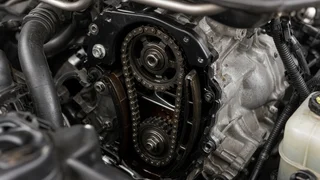
Toyota 4K Timing Chain
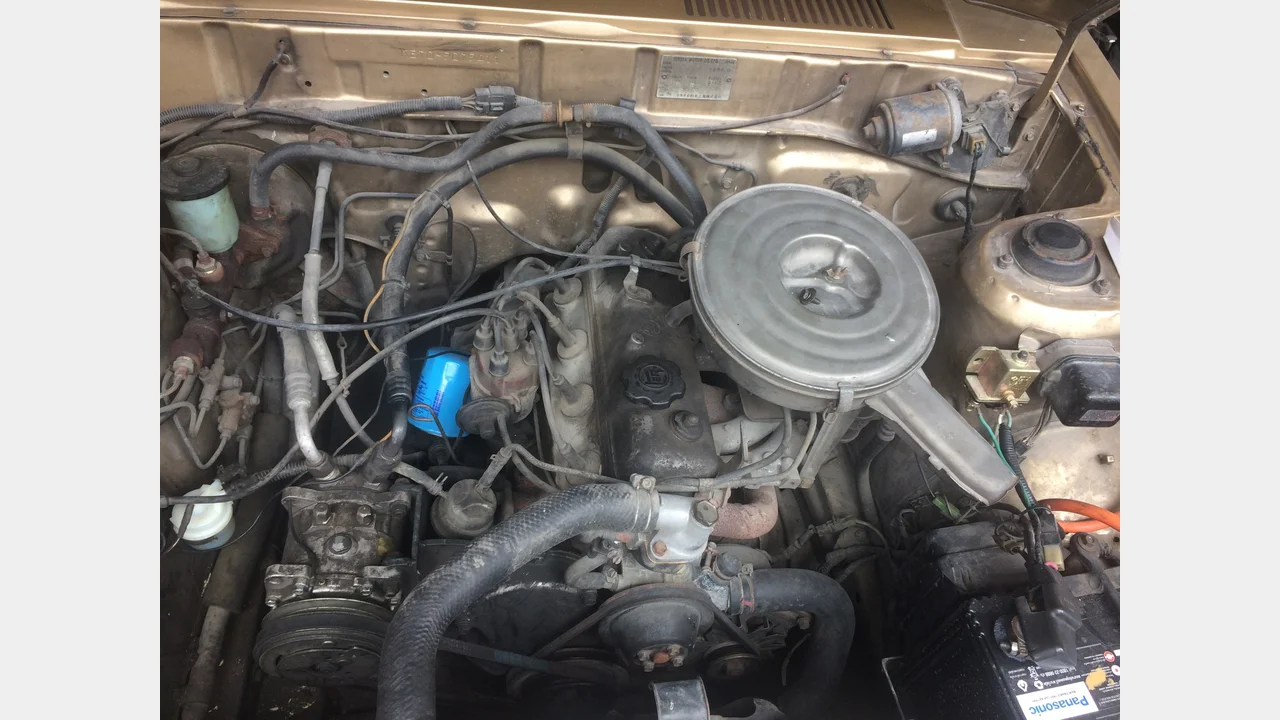
Researching a Toyota 4K timing chain usually begins with identifying the engine series rather than a single part number. The 4K designation appears in older Toyota engine families, where timing chain behavior depends on engine configuration, service history, and symptom conditions. Owners often want to know whether a chain is maintenance-free, how wear presents, and when inspection matters. Because manufacturer specifications vary across markets and generations, the essential answer is qualified by confirming the exact engine application before assuming a fault. Diagnostic codes can indicate correlation errors but do not by themselves prove chain stretch, guide wear, or tensioner failure.
Essential answer
The 4K engine timing chain question is best answered as an identification issue first. Toyota has used the K engine family across several rear-wheel-drive applications, and a 4K designation points to a specific displacement within that lineage rather than a universal part. The timing chain transfers crankshaft rotation to the camshaft, so its condition affects valve events, ignition correlation, and overall drivability. Without confirming the engine configuration and model year, any statement about chain lifespan, replacement intervals, or failure tendencies would be unreliable.
A measured search for this phrase often reflects an owner troubleshooting noise, a rough idle, or a stored diagnostic code. In practice, the chain itself may be durable while the tensioner, guide, or sprocket introduces slack. Service history matters because oil quality and change frequency influence chain and guide wear. The essential answer is therefore provisional: identify the exact 4K variant first, then inspect the timing set as a system rather than replacing the chain based on a single symptom or code.