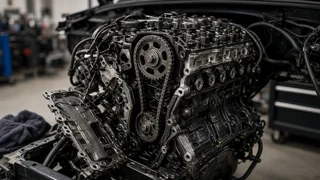
Toyota 3RZ Timing Chain
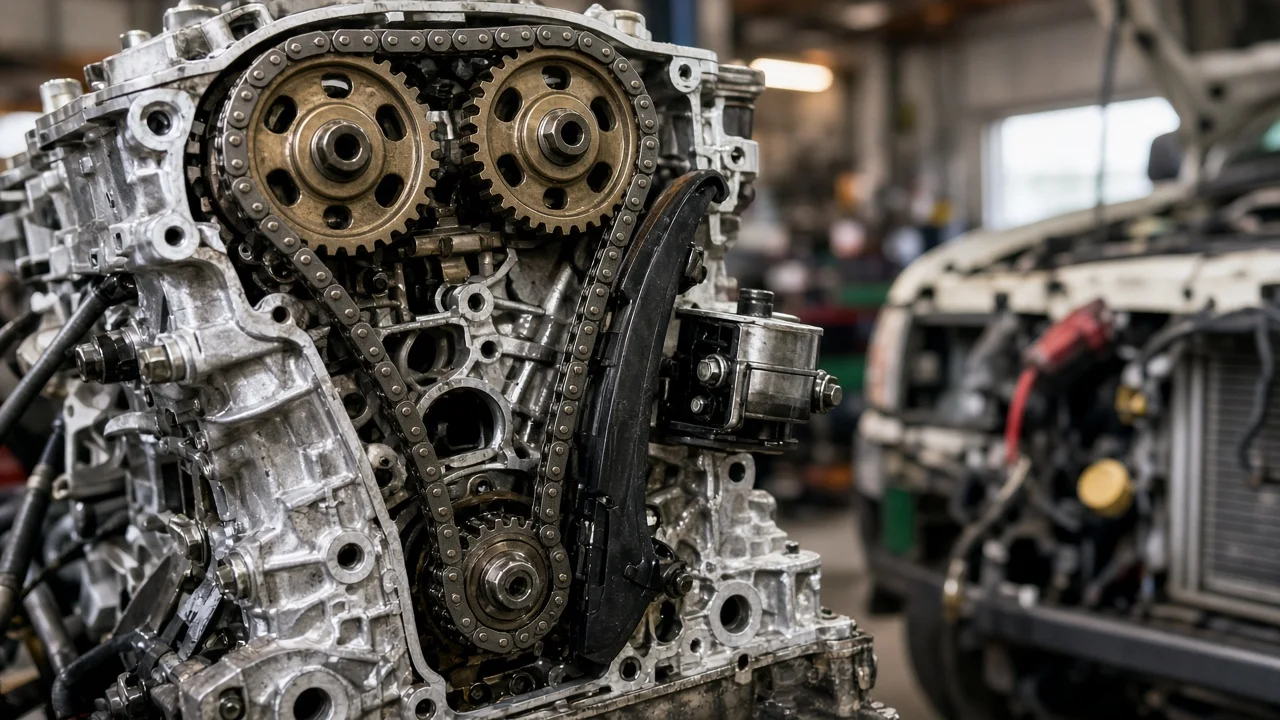
The 3RZ engine timing chain keeps the camshaft and crankshaft synchronized in Toyota’s 2.7-liter four-cylinder, so valve events remain matched to piston movement. When owners research this component, they usually want to distinguish normal wear from chain stretch, guide degradation, or tensioner weakness. Understanding how the chain operates, what symptoms point to trouble, and how service history influences diagnosis helps you evaluate noise, rough running, or timing-related codes without guessing at parts.
Essential answer
Toyota’s 3RZ uses a timing chain rather than a rubber belt, which places it among engines designed for long service life without a scheduled belt replacement. The chain runs inside the front timing cover and connects the crankshaft sprocket to the camshaft sprocket. A hydraulic or spring-loaded tensioner maintains slack control, while plastic guides keep the chain centered and quiet. Knowing this engine configuration matters because chain systems do still wear, and the failure mode is usually gradual noise or timing deviation rather than sudden breakage.
The essential answer depends on what you are trying to solve. If you are identifying the component, it is the metal link assembly that drives the camshaft on the 2.7-liter 3RZ. If you are diagnosing a concern, manufacturer specifications and diagnostic codes become important because chain stretch, worn guides, or a weak tensioner can mimic other faults. Inspection of the front cover area and an understanding of symptom conditions, such as cold-start rattle or warm-idle ticking, narrow the likely cause before any repair is authorized.