Toyota 1AZ Timing Chain
The 1AZ engine family appears in several Toyota models where owners often ask whether a timing chain or a timing belt drives the camshafts. For the 2.0-liter 1AZ-FE and related variants, the answer is a chain, which changes the maintenance perspective compared with older belt-driven engines. Understanding this design helps you interpret engine noise, service history, and repair choices without treating every rattle or diagnostic code as an automatic replacement. The following sections explain how the 1AZ timing chain works, what it implies for ownership, and how to approach symptoms sensibly.
Essential answer
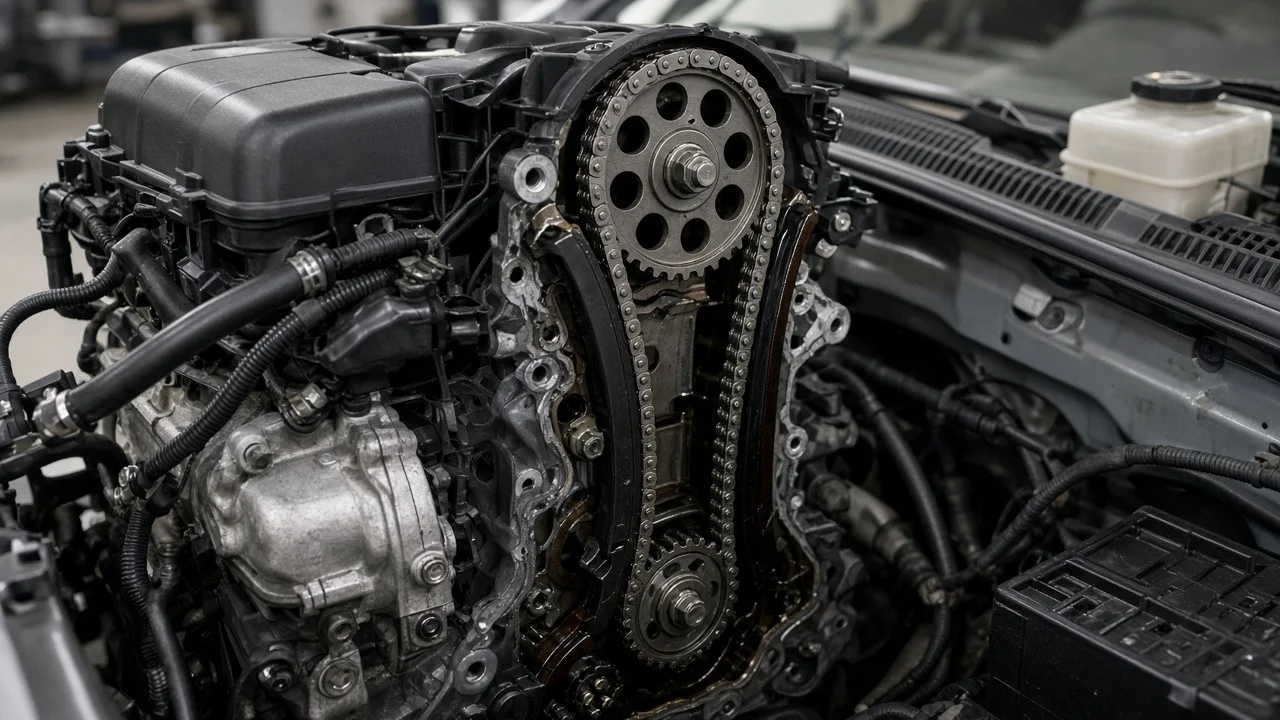
The direct answer is that the 1AZ engine uses a timing chain rather than a timing belt. This is a metal link chain located at the front of the engine, where it keeps the crankshaft and camshafts rotating in correct relationship. A chain is generally intended to last much longer than a belt, so there is no standard short-interval replacement schedule like the belt intervals found on some other engines. However, chain life still depends on oil condition, tensioner health, and how the vehicle has been driven.
The practical scope of the subject includes more than just the chain itself. Related components such as the chain guide, tensioner, sprockets, and oil pressure supply all influence how quietly and reliably the system operates. A worn guide or weak tensioner can create symptoms even when the chain is still intact. For this reason, diagnosis of a 1AZ timing chain concern should look at the complete timing drive, not just the chain links, and should treat fault codes as clues rather than proof that a particular part has failed.