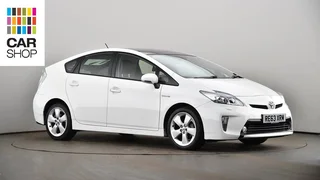
Toyota 0% APR and car deals
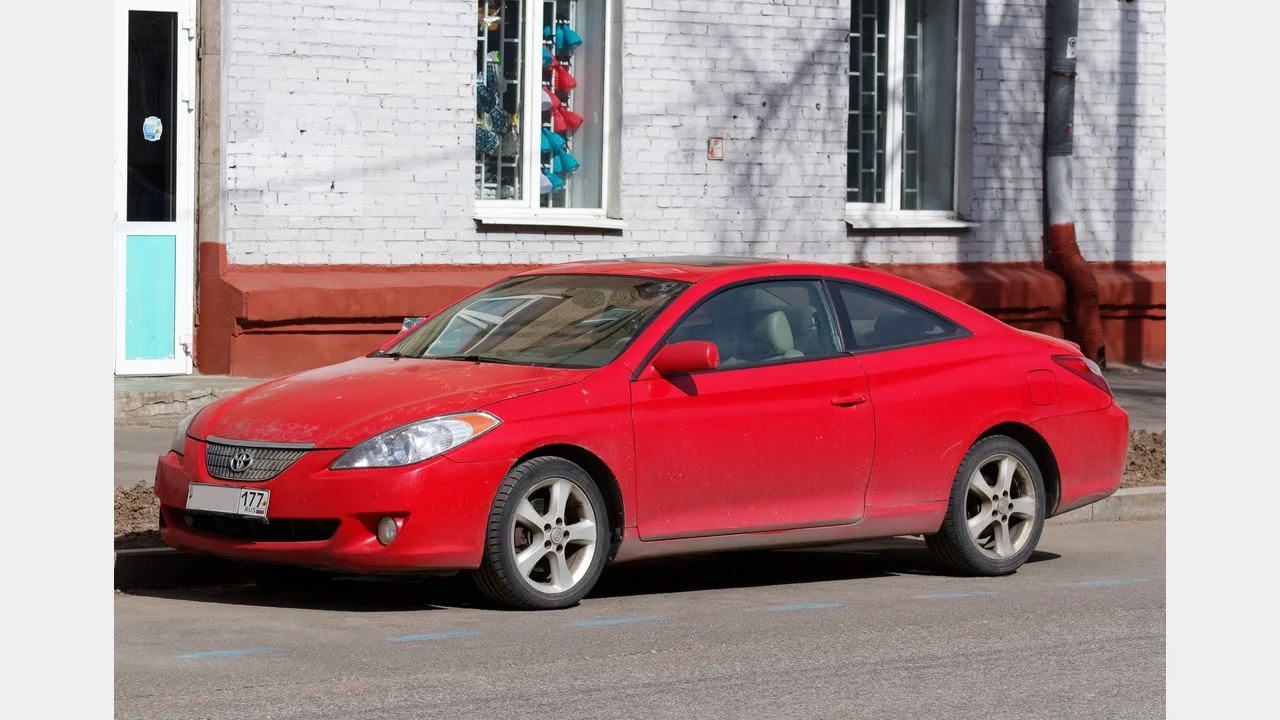
Zero percent APR offers can sharply reduce the cost of a new Toyota, but the advertised payment is only one piece of the transaction. A promotional rate typically replaces standard financing charges, which changes the true price conversation and often narrows which model year, body style, trim level, or powertrain configuration qualifies. Buyers searching for 0 apr car deals toyota should treat the rate as a conditional incentive, not a blanket discount. The strongest purchase decision comes from comparing the subsidized loan against any cash rebate, trade allowance, and the specific market specification available in your region.
The direct answer
Toyota 0% APR deals are real but highly conditional promotional offers that appear on selected vehicles, usually as an alternative to a cash rebate rather than an addition to it. The subsidized rate means the lender waives interest charges for qualified borrowers, so a 0 apr car toyota advertisement should be read as a financing incentive with eligibility gates. These offers depend on credit approval, the specific model generation, trim level, and often a shorter loan term such as 36 or 48 months. The immediate answer is that you can find a zero-interest Toyota, but only by matching the dealer’s advertised program rules.
What materially changes the answer is how the offer interacts with the rest of the deal. A buyer with excellent credit may qualify for the promotional APR but give up a manufacturer rebate that would lower the principal balance, making the no-interest loan less valuable on an inexpensive compact than on a higher-priced SUV. The best car deals toyota shoppers see in advertising are usually a choice between low APR and bonus cash, not a stack of both. Before concluding that a zero percent quote is the cheapest path, calculate whether reduced interest saves more than an upfront discount after accounting for the loan term, down payment, and eligible body style.
A 0% APR offer changes the arithmetic of ownership by removing the cost of borrowing over the loan term. With standard financing, part of each monthly payment goes to interest, and total interest rises with a longer note. The promotional rate shifts all of the payment toward the vehicle balance, which can make a well-equipped model become affordable without changing its negotiated price. However, the savings are relative to the interest rate you would otherwise receive from a bank or credit union, so a buyer who already qualifies for a very low market rate gains less from the Toyota incentive.
The rate also changes the negotiation leverage. When a dealer points to 0 apr car deals toyota, the conversation often moves away from the selling price and toward the monthly payment, which can hide a higher vehicle cost. Because the lender may be a captive finance company, the dealership may be compensated differently, and the incentive may be tied to the factory’s suggested retail price. The practical interpretation is that zero percent is a financial tool, not evidence of a discount on the car. Checking the out-the-door price before discussing financing prevents the promotional rate from masking an inflated accessory charge or market specification difference.
Toyota promotional financing rarely applies to the entire lineup at once. The manufacturer usually targets specific model years, model generations, or powertrain configurations, often favoring vehicles with higher inventory or a new sales campaign. A 0 apr car toyota search may surface a mid-size sedan while a popular hybrid or a just-released truck is excluded. The trim level also matters: an entry grade might qualify while an upper trim with added packages does not, because the incentive is designed to move particular production volume.
Credit qualification is the other major gate. These rates are reserve offers, meaning the applicant must meet the lender’s top credit tier to receive the promotional terms. A lower score may still produce an approval, but at a standard or subvented rate that is not zero. Regional market specification influences which body styles are available and whether the advertised program matches the vehicle on the lot. Buyers should confirm the exact stock number, model year, and trim before assuming the zero percent language in a general ad applies to the specific vehicle they want.
The cleanest way to evaluate a Toyota 0% APR deal is to compare it against the alternative cash rebate on the same vehicle. Because these incentives are typically either-or, the question is whether the interest you would pay on a market-rate loan exceeds the cash discount you would forgo. On a short loan with a large down payment, the rebate may be worth more. On a long loan with a smaller principal reduction, the zero percent rate may outperform. The calculation is specific to the amount financed and the term, not a universal rule.
Trade-in equity also changes the comparison. A high-value trade lowers the amount financed, which shrinks the benefit of a no-interest loan because there is less balance for the rate to act on. In that case, taking a rebate and using outside financing may produce a lower total cost. The best car deals toyota buyers find usually involve stacking a trade allowance, a loyalty or conquest incentive, and either the promotional APR or bonus cash. Reading the offer terms carefully shows which components can be combined, and which cancel one another out.
Start by identifying the exact vehicle you want by model year, body style, powertrain configuration, and trim level. Then ask the dealer to quote both incentive paths on that specific stock number: the 0% APR with no cash rebate, and the standard or market-rate financing with the available rebate. This side-by-side view exposes the true value of the promotional rate. An advertised zero percent offer on a different model generation or trim is not evidence that your chosen configuration qualifies.
Before signing, verify the loan term attached to the 0% promotion, the required down payment, and whether the rate is fixed for the full term. The shorter the advertised term, the higher the monthly payment, even with no interest. A deal that looks cheap in a headline can become strained if the payment is tied to a 36-month note rather than a longer term. Using the rate as one input in a full transaction comparison, rather than the main reason to buy, keeps the focus on the vehicle price and the features you actually want.