Totaled Car Insurance Payout: Valuation and Settlement Factors
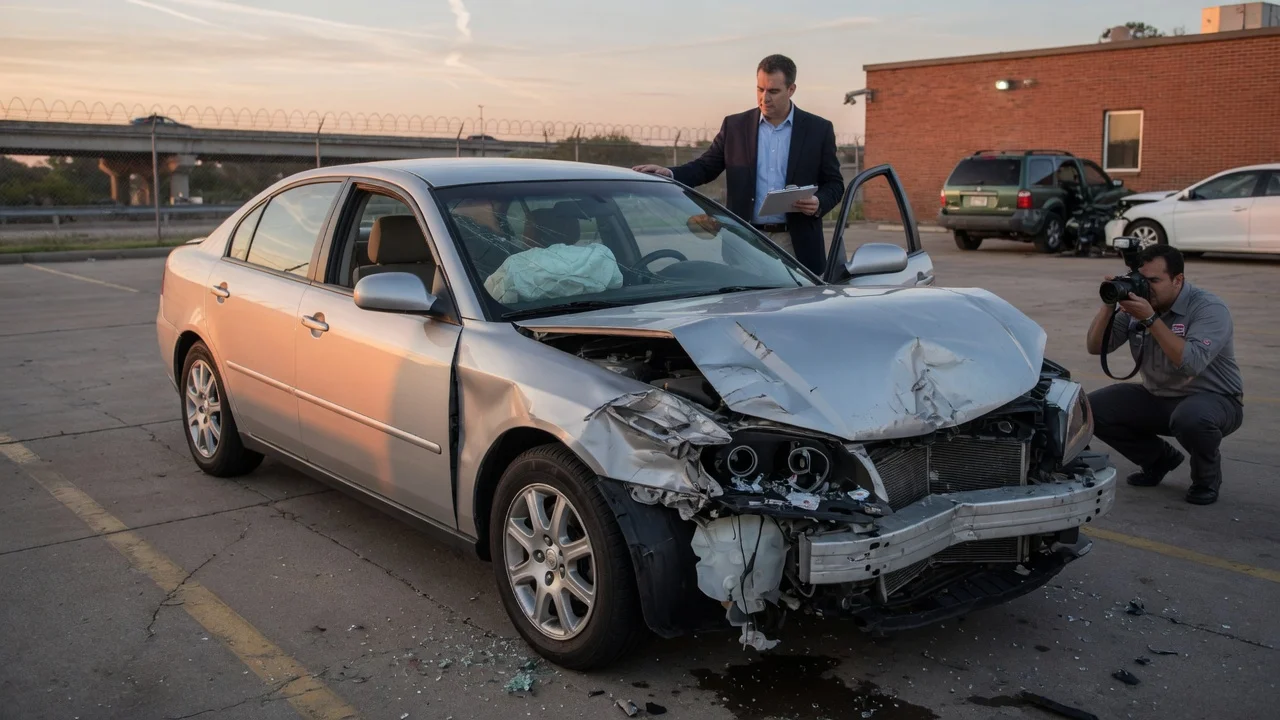
What a totaled-car payout actually is
A totaled-car insurance payout is the insurer’s cash settlement when a vehicle is a total loss: the cost to repair it is judged uneconomical relative to its pre-loss value, or the car is treated as a constructive total loss under the policy and applicable state rules. Collision, comprehensive, or another party’s liability coverage can fund that settlement, depending on who is at fault and which coverages apply. The essential figure is almost always actual cash value (ACV) of the vehicle immediately before the loss, minus the deductible and other contractual offsets, plus any separately scheduled items the policy still covers. That amount is not the original purchase price, the remaining loan balance, or a dealer’s retail asking price unless the policy or an endorsement says otherwise.
When a vehicle is declared a total loss
Insurers compare estimated repair cost (parts, labor, refinish, and related operations) with the vehicle’s pre-loss ACV. Many claims use a total-loss threshold expressed as a percentage of ACV; some states set a statutory threshold, while others leave the decision to the insurer’s total-loss formula so long as it is consistent with the policy and local regulation. A car can also be totaled when it is stolen and not recovered, or when damage is so extensive that repair is unsafe or parts are unavailable, even if a percentage test is close. Flood, fire, and some structural or airbag deployments often push a claim over the line because hidden corrosion, electrical damage, or safety-system replacement inflates repair cost. The threshold, the way salvage is handled, and whether the owner may keep the wreck are jurisdiction- and policy-dependent; those rules materially change both the net check and whether the owner can retitle the car as salvage or rebuilt.
How actual cash value is built
ACV is typically defined as the fair market value of that specific vehicle in its pre-accident condition in the local used-car market: make, model, model year, trim, powertrain, mileage, options, and documented condition. Valuation vendors and appraisers pull comparable listings and recent sales, then adjust for equipment, mileage, prior damage, service history, and sometimes regional demand. Retail advertised prices are usually adjusted downward toward what similar cars actually sell for; wholesale or auction comps may be adjusted upward. Aftermarket modifications, unrepaired dents, overdue maintenance, salvage history, and high mileage reduce ACV. Low mileage, desirable packages, recent tires or brakes, and clean history can raise it. Tax, title, and license treatment varies: some policies and some states require the settlement to include sales tax and fees needed to replace the car; others pay ACV only. That tax-and-fee difference is one of the largest lawful swings in a net payout and should be read from the policy and the state’s total-loss rules rather than assumed.
Typical ACV inputs insurers document: year, make, model, trim, and powertrain; odometer reading and condition notes; factory options and packages; comparable vehicles in the same market; adjustments for mileage, options, and prior damage; applicable sales tax, title, and registration if the policy or state requires them; salvage value if the owner retains the wreck.
What is subtracted from the check
The offer is ACV after contractual deductions. A collision or comprehensive deductible comes off first when the claim is on the owner’s own policy. If the owner keeps the salvage, the insurer subtracts the salvage value it would otherwise have recovered; that retained-salvage choice lowers the check and usually leaves the owner with a salvage title and future insurance limits. Betterment is sometimes applied when a repair would have replaced worn parts with new ones, though a total-loss ACV method already embeds condition and may not stack a separate betterment cut. Unrelated prior damage that was not repaired can be backed out of ACV. If a lienholder is on the title, the insurer commonly issues the primary check jointly or pays the lender first up to the outstanding balance; any remainder, if the ACV exceeds the loan, goes to the owner. If the loan exceeds ACV, the owner still owes the difference unless gap coverage, a loan/lease payoff endorsement, or a new-car replacement provision applies.
Policy terms that change the number
Coverage type is the first qualifier. An at-fault driver’s collision coverage pays that driver’s ACV minus the collision deductible. A not-at-fault owner may claim under the at-fault party’s property-damage liability, which generally has no owner deductible but is capped by the at-fault policy’s limit and still uses a market-value measure of the damaged car. Comprehensive covers non-collision events such as theft, flood, hail, fire, and animal strikes, again at ACV minus the comprehensive deductible. Uninsured or underinsured motorist property damage, where sold, can fill a gap when the other driver is uninsured or the liability limit is too small; availability and whether a deductible applies are state- and form-specific.
Endorsements can replace or raise ACV. Guaranteed replacement cost or new-car replacement, when the vehicle still qualifies by age, mileage, and original-owner rules, may pay to replace with a new vehicle of like kind rather than used-market ACV. Replacement-cost or stated-amount physical damage, more common on collector or specially scheduled autos, pays an agreed or stated figure if conditions are met. Gap insurance, often sold with a loan or lease, pays the difference between ACV and the remaining payoff, subject to its own exclusions (late payments, extended warranties rolled into the loan, and negative equity from a prior deal). Rideshare, commercial, or business-use exclusions can void a personal-auto total-loss payment if the vehicle was being used outside the policy’s permitted use at the time of loss. Lease contracts may require specified coverage and give the lessor control of the settlement.
Settlement process and what to verify
After the claim is reported, an adjuster inspects the vehicle or reviews photos and a repair estimate, orders a valuation report, and issues a total-loss offer with a breakdown of ACV, tax and fees if included, deductible, and salvage. Owners can request the valuation report, the comparable vehicles used, and the adjustment worksheet. Errors worth checking include wrong trim or engine, missing factory options, incorrect mileage, comps from a distant market, unrepaired-damage deductions that double-count condition already in the comps, and omitted tax or fees where the policy or state requires them. A documented appraisal, recent sales of the same trim, window-sticker or build-sheet options, and maintenance records are the usual evidence for a revised ACV. Many policies include an appraisal clause: each side hires an appraiser, and if they disagree a umpire is used; that process addresses the dollar value of the car, not coverage disputes such as whether the loss is excluded.
Accepting the settlement typically requires signing a release and transferring the title so the insurer can obtain salvage. Until the title and keys are delivered as required, payment may be held. Rental reimbursement, if purchased, usually stops when the total-loss offer is made or after a set number of days, so delay in reviewing the valuation can leave the owner without a substitute vehicle. Personal property in the car (electronics, tools, child seats) is generally not part of ACV; it may fall under a low sublimit on the auto policy or under homeowners or renters coverage.
Material qualifications and open gaps
No single dollar figure is the “correct” payout without the specific vehicle, pre-loss condition, coverages in force, deductible, lien status, and the state total-loss and tax rules that apply. Model year, generation, powertrain, and trim change both repair cost and used-market ACV, so two cars of the same nameplate can settle far apart. Published retail guides and online listing averages are starting points, not the settlement itself. This guide does not assign a typical percentage of retail, a typical deductible, or an average check amount; those figures are claim-specific and were not supplied as measured data here. Confirm the declarations page, physical-damage form, any replacement-cost or gap endorsement, the valuation report, and the state total-loss statute or regulation before treating an offer as final.