Tire Socks for Snow: How They Work and When to Use Them Instead of Chains
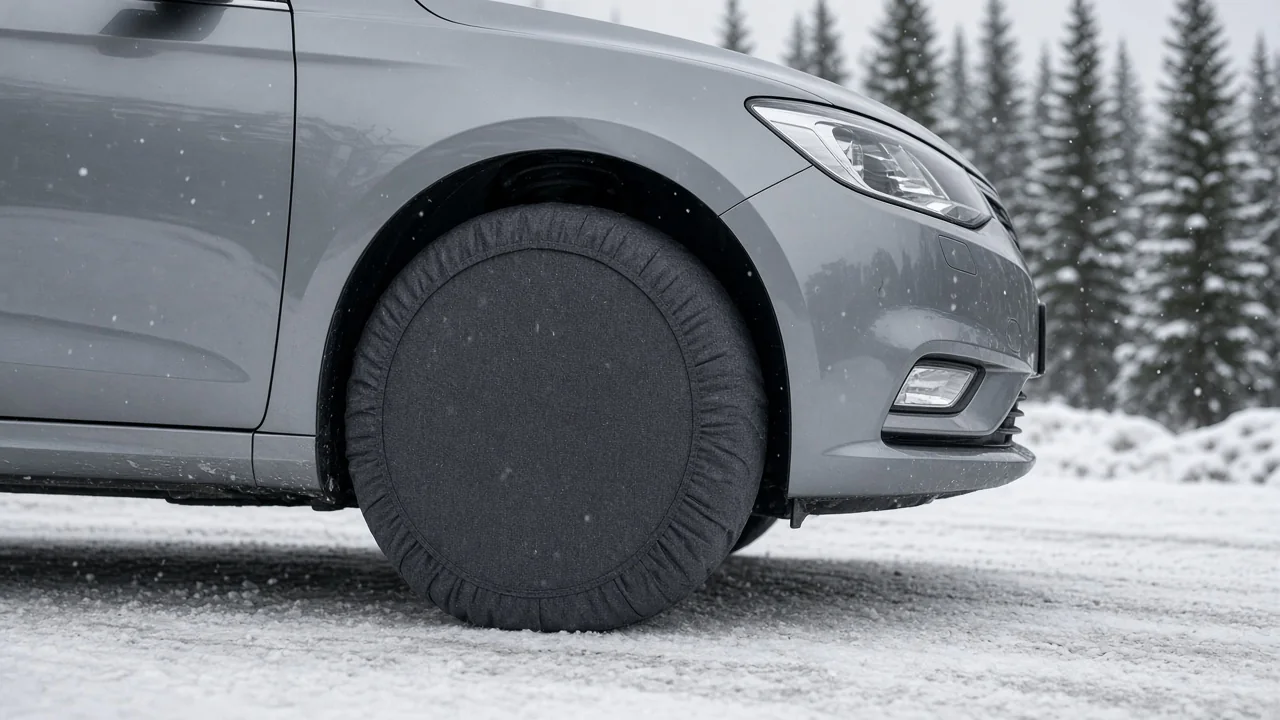
When winter roads turn slick, tire socks for winter driving offer a compact way to add temporary grip. These textile covers stretch over your tires and work on packed snow, giving you an alternative when full chains are impractical. Understanding their strengths and limits helps you decide if they belong in your trunk for the next mountain pass or emergency traction need.
What Tire Socks Are and How Textile Covers Grip Snow and Ice
Tire socks, also called snow socks or textile traction devices, are fabric covers that slip over the tire tread and sidewall for temporary winter grip. Unlike chains, which use metal links to dig into ice, the textile surface works by wicking away the thin water film that forms between rubber and packed snow, allowing the fabric to bite into the surface. This makes them an occasional-use alternative traction device for low-speed, snow-covered roads rather than a permanent setup.
They are not a replacement for winter tires, which use specialized rubber compounds and tread patterns for sustained cold-weather performance. Designs, materials, and sizing differ between brands, so a sock that fits one tire size may not fit another even if the diameter looks close. Because the fabric and elastic need to match your exact tire size and wheel well clearance, always rely on the product's own documentation and fit chart before assuming compatibility.
Road Conditions Where Snow Socks Work Well and Where They Struggle
Snow socks perform best on packed snow and light icy patches where the road remains fully covered, so the fabric is not dragged over bare pavement. On such surfaces, they can provide useful grip for getting moving or maintaining control on gentle grades. However, they are not a cure-all: deep snow can overwhelm the relatively thin textile layer, and steep grades may demand more aggressive bite than the fabric can deliver.
Bare pavement, gravel, and slush quickly wear down the fabric because the abrasive contact tears fibers and reduces the sock's effectiveness. Glare ice also limits traction since the sock relies on mechanical keying into textured snow rather than studs or chains. Drivers should remove the socks as soon as they reach clear, dry pavement, and if conditions exceed what the product is rated for—deep snow, long steep descents, or polished ice—reconsider the trip altogether.
Choosing Between Tire Socks and Snow Chains for Your Driving
Choosing between tire socks and snow chains depends on your driving patterns. If you occasionally cross a snowy pass or want an emergency traction aid that stows easily, socks are appealing because they are lightweight, fold into a small bag, and can be installed with less effort than chains. On the other hand, frequent mountain travel or routes with chain requirements favor traditional snow chains, which last longer on mixed surfaces and deliver more aggressive grip.
Wheel well clearance is a key practical difference. Vehicles with low-profile tires or tight suspension clearances often have limited room for chains, and some owner's manuals explicitly approve textile traction devices where chains are not allowed. Check the manual for approved alternative traction devices before buying. Also note that where the law or a checkpoint specifically requires chains, socks may not satisfy that requirement, even if they are sold as a winter traction aid.
Fitting Tire Socks Safely: Sizing, Drive Wheels and Roadside Setup
Safe fitting starts with sizing. Find the tire size printed on the sidewall—such as 225/60R17—and match it exactly to the manufacturer's fit chart; a sock that is too small will not stretch over the tread, while one too large can slip and damage the sidewall. Install socks on the drive wheels only unless the vehicle is all-wheel drive, in which case follow the owner's manual: some AWD systems require socks on all four wheels to prevent drivetrain stress.
The general process is to pull the sock over the top of the tire, then move the vehicle a short distance—usually less than a meter—so the unfitted portion rotates to the top, and finish pulling the sock over the rest. Before driving, park well off the road, set the parking brake, turn on hazard lights, and wear gloves and visible clothing. Practice fitting once at home before winter, and after driving a short distance, stop to check that the sock is centered and has not shifted.
Speed Limits and Driving Technique With Socks Installed
Follow the maximum speed printed on the product or in its instructions, and do not assume a universal figure. Many textile traction devices are rated for low speeds only—often well below normal highway speeds—because the fabric generates heat and can tear at higher velocities. Exceeding that limit risks sudden failure and loss of control, so treat the printed number as a hard ceiling, not a suggestion.
Drive with smooth inputs to protect the socks and maintain stability. Accelerate gently, brake early, and leave wider following distances than usual. Wheelspin is especially damaging because the fabric can catch on rough ice or packed snow and tear. If you notice flapping noises, vibration, or a sock sliding off-center, pull over safely and inspect immediately. Traction aids improve grip but do not remove the need for reduced speed in winter conditions.
Are Tire Socks Legal? Checking State and Local Traction Rules
Legal acceptance of snow socks varies by state, region, and even specific mountain passes, and rules can change during a storm. Some states recognize alternative traction devices that meet certain standards, while others explicitly require metal chains when chain controls are in effect. Because of this patchwork, you should check the state DOT or official road-condition sources for current traction-device requirements before a trip, rather than relying on general advice.
Product packaging may mention standards such as ÖNORM V5121 or similar, but these are not universal legal approval. Carry the product documentation in the vehicle in case a checkpoint asks about the device. If a sign says “chains required,” socks may not be accepted, and you could be turned around or fined. Verify local rules each season, especially if you travel to areas with strict mountain pass regulations.
Removing, Drying, Storing and Replacing Winter Tire Socks
Remove the socks once you reach clear pavement or your destination. Park on level ground away from traffic, set the parking brake, and pull the fabric off carefully to avoid catching it on the wheel well or brake components. Rinse off road salt and grit with clean water, because salt accelerates fabric deterioration and stiffens the fibers. Let the socks air-dry fully before folding them; storing damp socks can cause mildew and weaken the material.
Before packing them away, inspect for holes, thinning fabric, or damaged elastic around the edges. Replace the socks when you see significant wear—do not guess at a set lifespan, because mixed pavement and repeated use wear them at different rates. Keep the socks in their original bag in the trunk along with gloves and a flashlight for winter trips, so they are ready when conditions turn bad.