Tire Machine Bead Roller
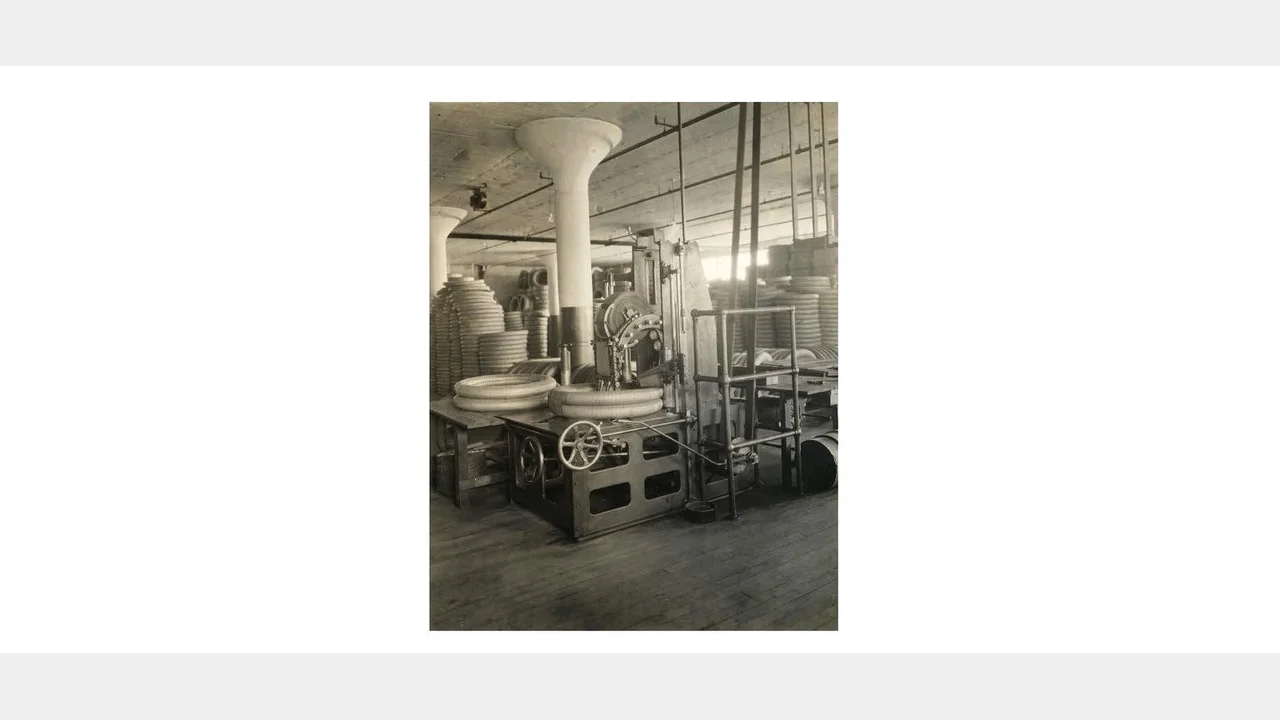
A tire machine bead roller helps position the tire bead during mounting, especially on stiff or low-profile tires where the bead needs controlled pressure to slide over the rim. Buyers researching this tool should know how it contributes to safer tire changes without overstretching the sidewall. The right match depends on tire size, rim width, and the mounting machine design. Considering inflation pressure, load index, speed rating, and tread depth helps keep the service appropriate for the vehicle, while the vehicle placard and drivetrain compatibility guide broader tire choices.
The direct answer
Choose a bead roller suited to the rim diameters and tire widths you service most. The roller should press against the sidewall just enough to guide the bead into the drop center without pinching the casing. Machines intended for larger wheel and tire packages may need a longer arm or a more aggressive roller contour, while a compact passenger-car setup can use a shorter reach. Matching this geometry to the tire size reduces the chance of tearing a bead or forcing the sidewall at an odd angle during rotation.
Look at how the roller attaches and adjusts. A design that allows quick positioning for different rim depths and offsets is more practical in a busy shop than one built around a single wheel shape. Pay attention to whether the roller contacts the bead cleanly without covering the valve area. After mounting, check inflation pressure against the vehicle placard and confirm the bead seats evenly. The same careful process that protects the tire casing also supports proper load index and speed rating performance once the wheel is back on the vehicle.