Tire Bead Sealer Brands Compared
Immediate Answer
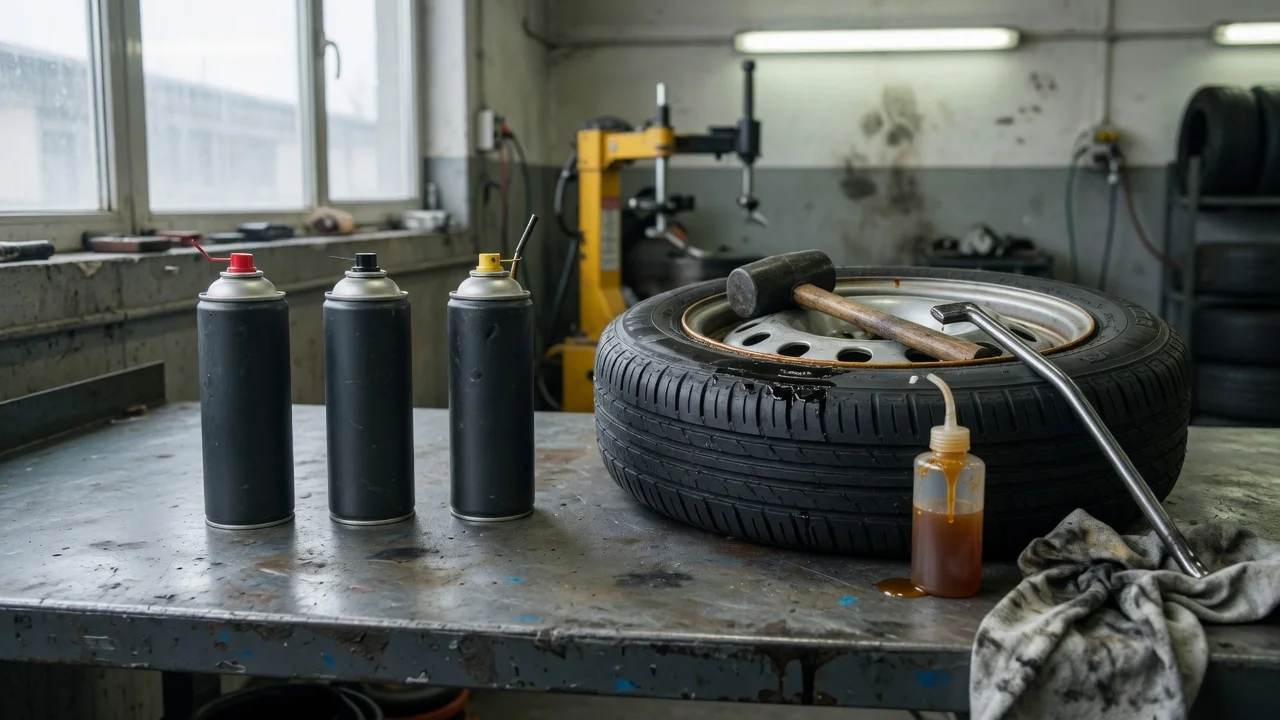
Tire bead sealer is a rubberized liquid or paste applied between the tire bead and the wheel rim to stop slow air leaks. A tech-grade or professional bead sealer is usually the strongest option for persistent rim corrosion or minor bead damage, while consumer products like Seal All and Slime work best as quick fixes for light seepage or as an aid during mounting. The right product depends on whether you are doing tire work yourself, dealing with corrosion, or trying to stop a slow leak without dismounting the tire.
What Tire Bead Sealer Does
A tire bead is the reinforced inner edge of the tire that presses against the wheel rim. When the bead seat becomes dirty, corroded, or slightly deformed, air can escape slowly. Bead sealer fills tiny gaps and irregularities at that mating surface. It is not a permanent structural repair for cracked wheels or badly damaged beads, but it can stop seepage and extend the service life of an otherwise sound tire and wheel.
Tech Tire Bead Sealer
Tech bead sealer is associated with professional tire service products. It is typically a thick, fast-drying rubber compound intended to fill voids and seal bead leaks caused by corrosion, pitting, or minor mounting damage. It is commonly brushed onto the rim or bead area before inflation. Because it is formulated for shop use, it often provides a stronger, longer-lasting film than general-purpose sealants. For a wheel with visible rim corrosion or a bead that has been leaking repeatedly, a tech-grade bead sealer is usually the most appropriate first choice.
Seal All Tire Bead Sealer
Seal All is known as an all-purpose adhesive and sealant that can bond to rubber, metal, and many other surfaces. When used at the tire bead, it can act as a temporary or emergency bead adhesive. It may stop a slow bead leak, but its properties are broader than a dedicated tire bead sealer. Seal All can harden more than rubberized tire-specific products, which may make future tire dismounting more difficult. It is better viewed as a supplemental fix than as a replacement for a professional bead sealer on a wheel with significant corrosion or pitting.
Slime Tire Bead Sealer
Slime bead sealer is a consumer-oriented rubber sealant designed for easy application around the tire bead. It is generally thinner and easier to spread than some professional compounds. Slime works acceptably for minor bead seepage and can be used by a home mechanic when remounting a tire. However, it may not be as durable as a shop-grade tech bead sealer on heavily corroded or pitted rims. For light leaks and routine mounting, Slime is a practical and accessible option.
Comparing the Options
Product|Best Use|Strength|Practical Notes; Tech tire bead sealer|Persistent bead leaks, rim corrosion, professional mounting|High|Brush-on rubber compound; preferred for shop-grade repair; Seal All|Emergency bead sealing, general rubber-to-metal bonding|Medium|Hardens more than dedicated bead sealers; may complicate future dismounts; Slime tire bead sealer|Light seepage, home tire mounting|Medium|Easy application; less durable on heavily corroded rims
How to Choose
If a wheel has visible rust, pitting, or a repeat slow leak after normal inflation, choose a tech-grade tire bead sealer. If you are doing a roadside or temporary repair and already have Seal All available, it may stop the leak, but it is not a dedicated long-term bead solution. If you are remounting a tire at home and the rim is in good condition, Slime bead sealer is convenient and adequate for light sealing.
Important Limitations
No bead sealer will fix a cracked wheel, a cut tire bead, or a tire that has been run flat long enough to damage the sidewall. Bead sealer also cannot correct a bent rim. If a tire continues to lose air after a proper bead seal has been applied, the wheel and tire should be inspected for structural damage rather than receiving additional sealer.
Next Step
For a slow bead leak, remove the tire, clean the rim bead seat thoroughly, and apply a suitable bead sealer before remounting and inflating. For corrosion-related leaks that repeat or affect multiple wheels, a professional tire shop can assess whether the rims need cleaning, resealing, or replacement.