Tie Rod End Prices: Comparing Parts Costs
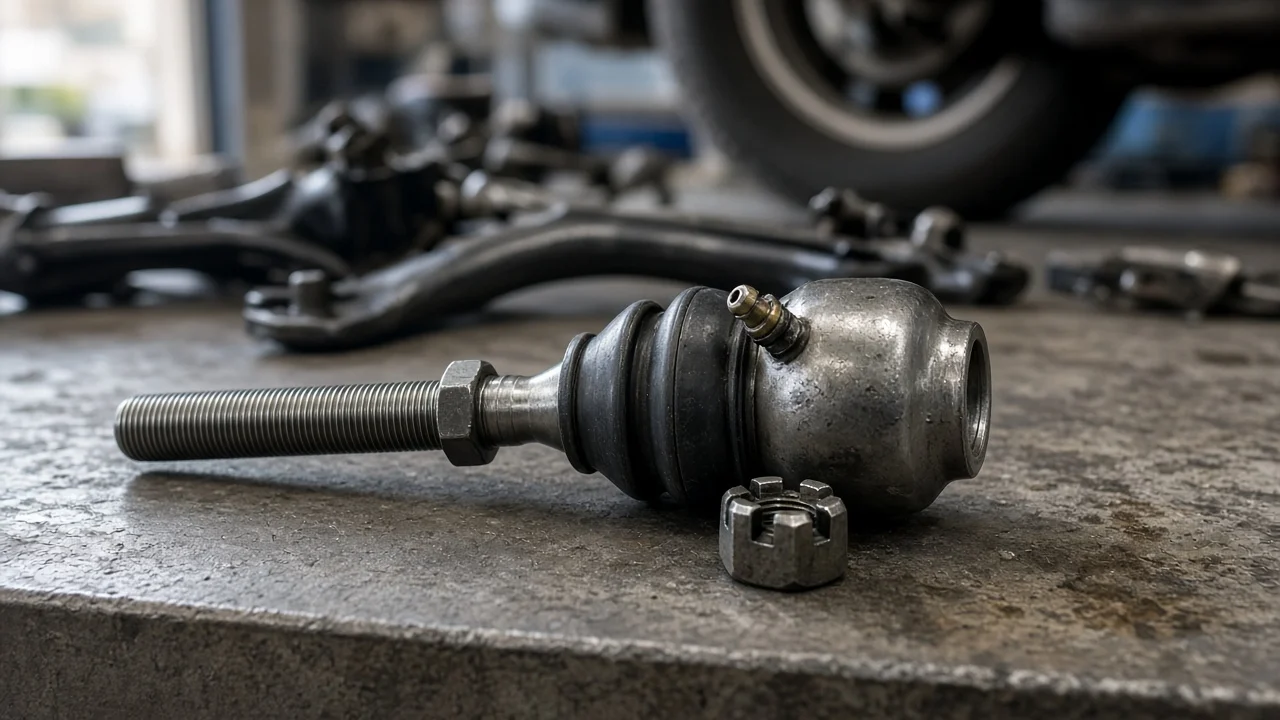
Tie rod end prices vary more than most owners expect, and the number on a parts listing rarely tells the whole story. A standard replacement and a set of HD tie rod ends can differ in design, warranty and fitment. A shop quote may also bundle labor, alignment and related steering parts. This guide explains what a tie rod ends cost estimate should cover, what moves the price, and how to compare offers on equal terms before you buy or book the repair.
What the estimate includes
Start by separating parts-only prices from installed totals. A parts listing usually covers one tie rod end. It may be an outer end only, an inner tie rod only, or a complete assembly with both. Check whether the price is per piece or per pair, and whether it includes the castle or locking nut, cotter pin, jam nut and boot. Some kits add an adjusting sleeve or clamps, while others assume you will reuse what is already on the vehicle.
An installed estimate should add labor, wheel alignment, shop supplies and tax. Alignment is a required part of the job, not an optional extra. Replacing a tie rod end changes the toe setting, so the steering has to be set back to the manufacturer's specification afterward. A low quote that leaves alignment out, or lists only one side when both are worn, is a partial quote rather than a true total. Compare it as a partial quote.
What changes the cost
Vehicle configuration matters first. Rack-and-pinion cars typically use an inner tie rod and an outer end on each side. Many trucks and solid-axle vehicles use a linkage with longer tie rods, adjusting sleeves and sometimes a drag link with similar ends. Two-wheel-drive and four-wheel-drive versions of the same model can take different parts, and so can trims with different axles or steering gear. Match the part to the exact vehicle, ideally by VIN.
Part grade is the next driver. Heavy duty tie rod ends are generally built for higher loads. Depending on the brand, they may use a larger ball stud, a forged housing, a grease fitting for periodic lubrication or a more robust boot. Standard replacements are often sealed and maintenance-free. Brand, original equipment versus aftermarket sourcing, and warranty length and terms all affect the price of tie rod ends. A higher number is not automatically a better part, and a lower one is not automatically a weak one.
Labor varies with corrosion, access and location. A seized adjusting sleeve or a tapered stud that will not release can add time, and rusted hardware may need replacement. The final figure also depends on regional labor rates and on whether the shop does alignments in-house. Replacing related parts at the same visit, such as an inner tie rod, sleeve or steering stabilizer, changes it as well.
Compare like-for-like options
Compare offers only when they cover the same scope. One outer end on one side is not comparable to inner and outer ends on both sides. A parts-only quote is not comparable to an installed job with alignment. Line up position, quantity, part grade, warranty and associated work before you look at the total.
Choose between standard and HD tie rod ends based on how the vehicle is used. Regular towing, plowing, off-road driving, larger or heavier tires and a raised ride height all put more load through the steering linkage. In those cases a heavy-duty part may be the better fit. For a daily driver at stock height, a quality standard replacement is often appropriate. On lifted or modified vehicles, confirm the part suits the actual mounting points and steering geometry, because some setups call for specific tie rods. If you choose a greasable part, plan to lubricate it on schedule.
Doing the job yourself removes labor from the bill but not the responsibility. You need safe vehicle support on rated jack stands on level ground and the right tools to separate the tapered stud. You also need the model-specific procedure and fastener specification from the service information for your vehicle. The vehicle still needs a wheel alignment afterward, so include that cost when you compare DIY with a shop quote.
Read an itemized quote
A useful quote names the brand and part number for each component, states inner or outer and left or right, and lists the quantity. Labor should appear as hours or a flat rate. The alignment should be its own line, stating whether it is a front-only or four-wheel alignment. Look for shop supplies, disposal fees, tax and warranty terms for both parts and labor. The warranty terms should say how long coverage lasts and whether the labor is covered if the part fails.
Then look for what is excluded. Common add-ons include extra time for seized or rusted parts, replacement hardware, a diagnostic or inspection fee, and other steering or suspension components found during the job. Ask how the shop confirmed the problem, such as a joint play check, and whether any other parts were found worn. If a quote recommends more work, ask for the findings on each item so you can decide what is necessary now.
Decide the next step
Before you buy, confirm the diagnosis. Worn tie rod ends usually show up as play in the joint, uneven tire wear or a loose steering feel, but other parts can cause similar symptoms. Identify the exact part by VIN or build details, and decide whether standard or heavy-duty grade suits your driving. Then get two or three itemized quotes on the same scope, and make sure each one includes the alignment and a clear warranty.
Avoid shortcuts that cost more later. Skipping the alignment can wear tires quickly and leave the steering off-center. Reusing old locking nuts or cotter pins weakens the repair. So does ignoring a torn boot on the opposite side or installing a part that does not match your configuration. If you notice looseness, clunking or wandering, have the steering inspected promptly rather than guessing how long the worn part might last.