Tesla Winter Driving: Regenerative Braking on Snow and Ice, Range and Preconditioning
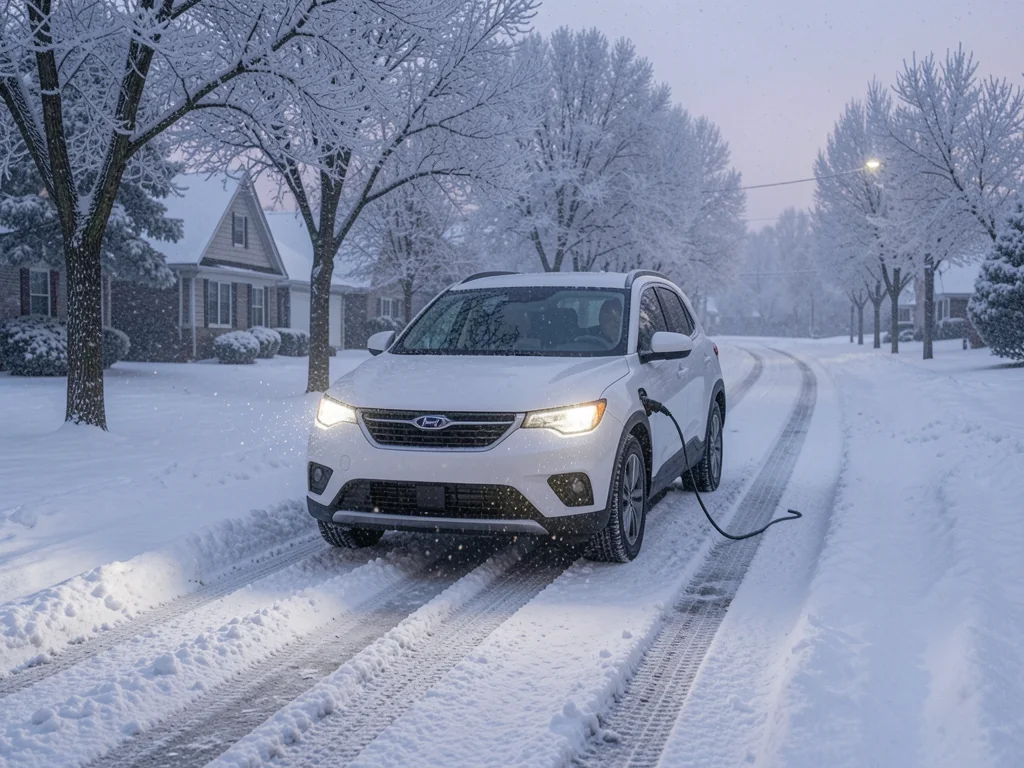
Cold weather transforms how a Tesla behaves, especially when regenerative braking slows the driven wheels on snow and ice. Understanding the interaction between one-pedal driving, traction control, and winter tires helps owners stay safe. This guide covers winter driving tips for Tesla and other EVs, including range loss, preconditioning, and cold charging, so you can navigate slippery roads with confidence.
How Regenerative Braking Behaves on Snow and Ice
When you lift off the accelerator, a Tesla's drive motors act as generators, converting forward motion into electricity and slowing the car. This regenerative braking force applies only to the driven wheels, which differs from friction brakes that work all four corners. On snow or ice, that concentration can momentarily exceed available grip, causing a brief wheel slip or a subtle slide.
On packed snow, black ice, or slush, grip levels vary widely, making smooth pedal control essential. Abruptly releasing the accelerator can make the car feel unsettled. Also, a cold battery may limit regen strength, which is normal and not a fault. Check your model's settings, as regen and stopping-mode options vary by version.
Regen, Traction Control and Stability Control Working Together
Tesla's traction and stability control systems monitor wheel speed and vehicle motion. If they detect slip during regenerative braking, they can reduce or adjust regen to help regain grip. However, these systems cannot create traction where none exists. Effective winter driving still depends on appropriate speed and following distance for the conditions.
When grip is marginal, you may notice the stability-control warning light flash or regen feeling weaker than usual. These signs indicate the car is actively managing available traction. For normal winter driving, keep all aids switched on. Consult your owner's manual for any special low-traction modes that may be available.
Safe Driving Techniques for an EV on Slippery Roads
Smooth inputs are key on slippery roads. Apply the accelerator gently to avoid instant electric torque spinning the wheels. Lift off early and gradually to let regen slow you without shocking the tires. When you need more stopping power, use light friction braking to engage all four wheels and maintain stability.
Increase following distances and reduce speed on bridges and shaded areas where black ice forms. Plan stops earlier than usual. Winter or all-weather tires rated for snow provide crucial grip. Cold temperatures lower tire pressure, so check pressure regularly. Practice low-speed stops in a safe, empty area to learn how your car responds.
Tesla Winter Driving Tips Before You Set Off
Before setting off, precondition the battery and cabin while plugged in to warm them using grid power instead of the battery. This preserves range and improves performance. Clear snow and ice from cameras, sensors, windows, lights, and the roof. Blocked cameras can limit driver-assist features and create safety hazards.
Prepare for winter with appropriate washer fluid, an ice scraper, and a charged phone for app access. Know how to open doors and charge-port covers if they freeze, as described in the owner's manual. Use scheduled departure or preconditioning features where available to automate warming before your trip.
Why EV Range Drops in Cold Weather
Cold weather reduces EV range because the car uses energy to heat the cabin and battery. Battery chemistry becomes less efficient, denser air increases aerodynamic drag, and winter tires with snow-covered roads add rolling resistance. These factors combine to lower the distance you can travel on a charge.
Short trips are especially inefficient in the cold because the car must warm the battery and cabin each time. To reduce range loss, precondition while plugged in, use seat and steering-wheel heaters instead of cabin heat when possible, and keep cabin temperatures moderate. Always allow a larger range buffer for winter trips, as losses vary.
Charging an EV in Cold Temperatures
A cold battery accepts charge more slowly because chemical reactions inside are sluggish. At a DC fast charger, charging power may be low initially until the battery warms. Many EVs, including Teslas, can precondition the battery when navigating to a fast charger, ensuring it arrives warm for faster charging.
Charging at home overnight lets the car keep the battery warm and precondition using grid power, reducing energy drawn from the battery. In winter, clear ice from the charge port carefully using approved methods, keep cables off walkways to prevent tripping, and never force a frozen connector, as damage may occur.
Winter Driving a Larger Tesla SUV Like the Model X
A larger Tesla SUV like the Model X has extra weight and momentum, which increase stopping distances on snow and ice. Despite its size and all-wheel drive, it requires more space to slow down. All-wheel drive helps with acceleration and traction but does not shorten braking distances, so maintain lower speeds and extra following distance.
Consult the owner's manual for model-specific winter guidance, such as door operation in icy conditions and any snow or traction settings. Do not guess. Winter tire selection and load ratings must be confirmed for the specific vehicle to ensure proper fit and performance. Always verify details rather than assuming.