Tesla Tire Wear: Inner and Rear Wear on Model S, X and Y
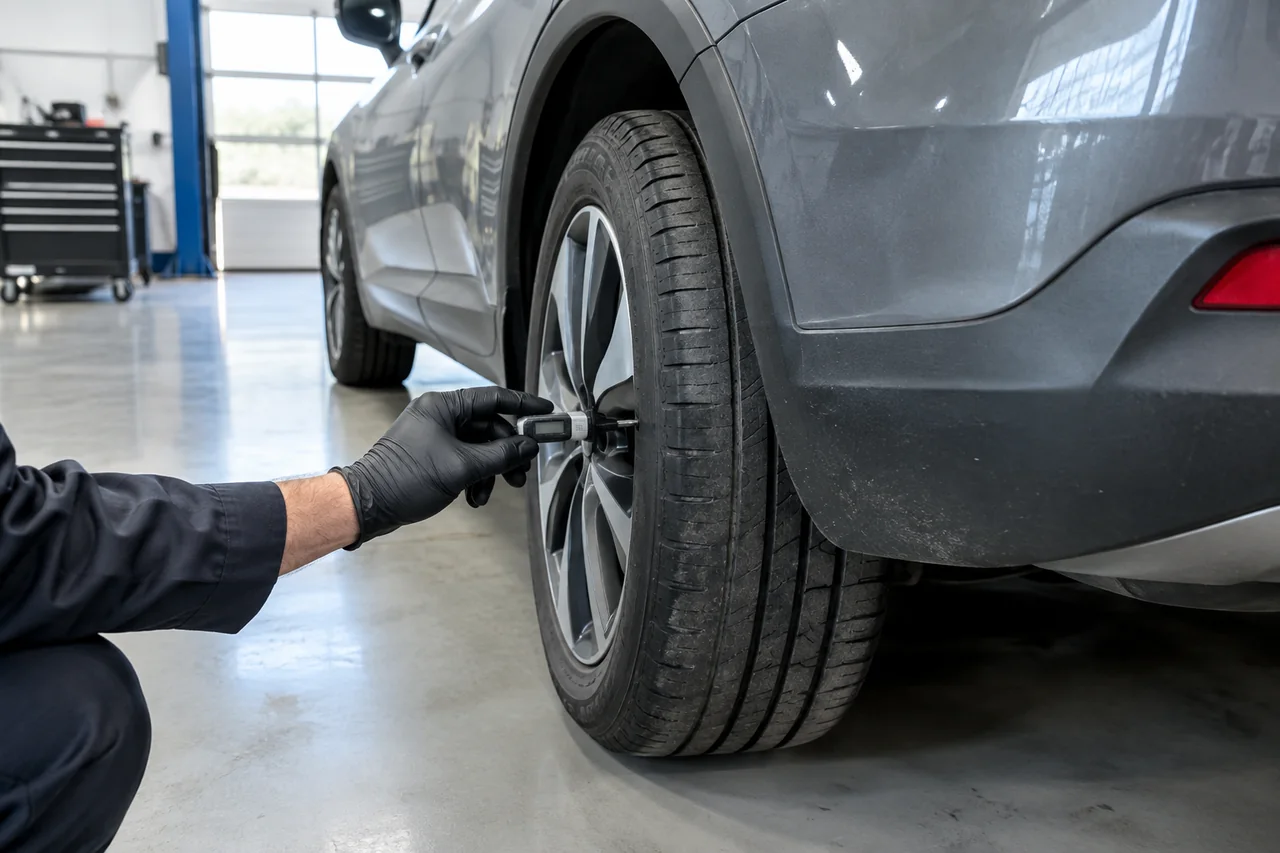
Tesla owners sometimes notice their tires wearing faster than expected, especially on the inner edges and rear axle. The combination of vehicle weight, strong instant torque, and regenerative braking places unique loads on tires. Understanding why this happens and how to spot uneven wear early can help owners manage tire life and maintain safe handling.
Why Tesla Owners Report Premature Tire Wear
Tesla vehicles are heavier than many comparable gasoline cars, and that mass increases the work each tire must do during acceleration, cornering, and braking. The immediate torque from an electric motor can cause more slip at the contact patch, and regenerative braking shifts braking forces to the driven axle. Together, these factors can scrub tread faster than an owner might expect from previous vehicles.
The original-equipment tire type, wheel size, and tread compound also affect wear rates. Performance-oriented compounds often trade longevity for grip. However, the key is distinguishing normal, even wear across the tread from abnormal patterns like feathered edges, cupping, or excessive wear on one shoulder. Abnormal wear signals an alignment or suspension issue that should be investigated before the tires are ruined.
Inner Edge Wear: How Camber and Toe Settings Affect the Inside Shoulder
Inner shoulder wear shows up as a smooth, often severe loss of tread on the inside edge of the tire, while the outer blocks may look almost new. It is easy to miss because the inside shoulder is hidden under the fender, and many owners only glance at the outside face. Running a hand across the tread from outside to inside can reveal a sharp step, and a flashlight inspection with the wheel turned or removed makes the condition obvious.
Negative camber tilts the top of the tire inward, concentrating load on the inner edge. Toe settings can also cause the tire to scrub slightly sideways as it rolls, accelerating wear on one shoulder. Lowered ride height changes suspension geometry and can push camber and toe outside the intended range, so any suspension modification should be followed by an alignment using the vehicle's published specifications. A professional alignment check with before-and-after printouts is the only way to know if the settings are correct.
Rear Tire Wear on the Model S and Model X
On many Tesla configurations, the rear axle handles a large share of propulsion and regenerative braking. Rear-biased torque delivery means the rear tires work harder to launch the vehicle and to slow it down, and that extra work can wear them faster than the fronts. This is especially noticeable on performance-oriented models where the driver uses full acceleration frequently.
Rear inner edge wear is often linked to rear camber and toe, which vary by model year and configuration and must be verified against the vehicle's official specifications. Staggered wheel and tire sizes, where fitted, prevent rotating tires front to rear, so owners may need to replace rear tires more often. During an alignment visit, the suspension should be inspected for worn bushings or damaged components, since even a small amount of play can change alignment under load and cause uneven wear.
Model Y Tire Wear Patterns Owners Should Watch For
Model Y owners should look for the same inner shoulder wear seen on other Tesla models, as well as faster wear on one axle compared to the other. The crossover's heavier body and larger wheel options increase the load on the tire contact patch, and aggressive driving can amplify the effect. Tread depth should be measured at several points across each tire to catch a developing pattern before it becomes dangerous.
Wheel and tire packages differ by trim level and model year, so owners should confirm their exact tire size and recommended pressures from the door-jamb placard. Keeping a simple log of tread depth measurements at each tire position over time helps spot a trend early. If one tire is losing tread noticeably faster than its axle partner, an alignment or suspension check is warranted.
The Tire Wear Indicator and Tire Service Reminder Explained
Physical tread wear bars are small raised ridges molded across the main grooves of the tire. When the surrounding tread surface is worn down to the same level as these bars, the tire has reached its legal wear limit and should be replaced. A simple tread depth gauge gives a numerical reading and can reveal uneven wear across the tire that the bars alone might not show in time.
The in-car tire service reminder on the touchscreen is a schedule-based alert, not a sensor that measures tire wear. It tracks mileage or time intervals and reminds the owner to rotate or inspect the tires, but it cannot see the inner shoulder. Owners should inspect all four tires, including the hidden edges, at regular intervals and not rely on the reminder alone to catch a wear problem.
How to Reset the Tire Service Reminder After Rotation or Replacement
After rotating tires or installing a new set, the tire service reminder can usually be reset from the vehicle's service or tire settings menu on the touchscreen. Because menu names and steps change with software updates, owners should consult the current owner's manual or the in-car manual for their specific version before attempting a reset.
A reset makes sense only when the service has actually been performed: after a rotation, new tires, or an alignment following a wear issue. Clearing the reminder without doing the work simply hides a real need and can lead to driving on worn or misaligned tires. Resetting the reminder does not correct uneven wear; if abnormal wear was found, an alignment check remains necessary.
Preventing Early Tire Wear and When to Get a Professional Inspection
Keeping tires at the pressure listed on the door-jamb placard is one of the simplest ways to promote even wear. Pressure should be checked when the tires are cold, since driving heats the air and raises the reading. Underinflation concentrates wear on the outer edges, while overinflation wears the center, so the placard value provides the best balance for the vehicle's weight and performance.
Regular rotation spreads wear more evenly across all four tires, but only where tire sizes allow it; staggered setups cannot be rotated front to rear. Gentle driving habits—avoiding hard launches and aggressive cornering—reduce the forces that scrub tread away. Signs that call for a professional inspection include pulling to one side, an off-center steering wheel, vibration, visible cords, bulges, or rapid wear on one edge. Suspension and alignment adjustments require proper equipment and the vehicle's specifications, so they should be left to a qualified shop.