Tesla Model 3 Brake Noise: Why Regenerative-Braking Cars Squeal
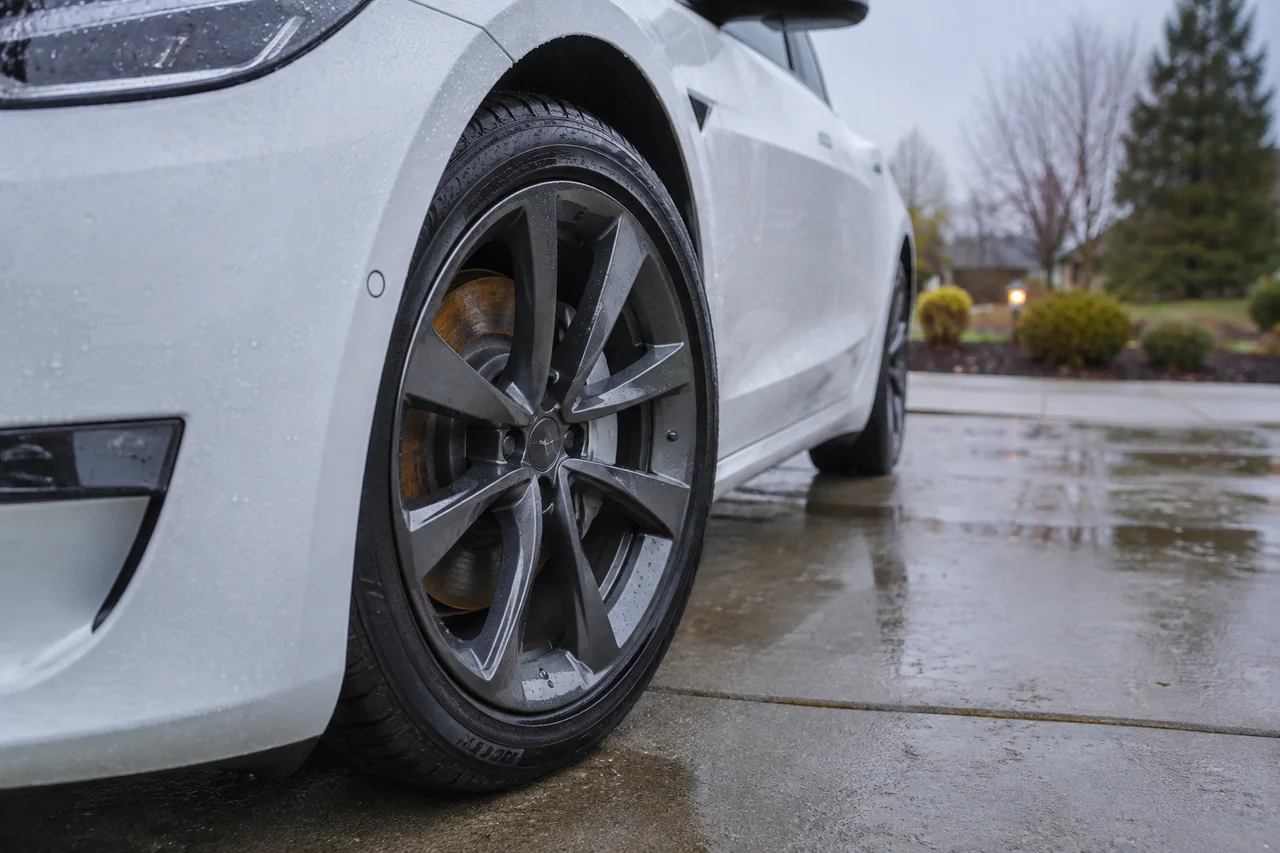
Tesla Model 3 brake noise can be unsettling, especially when regenerative braking does most of the work and the friction brakes are used far less than on a conventional car. That light use changes how the pads and rotors behave, often producing squeaks, scrapes, or grinding sounds that are unfamiliar. Some of these noises are harmless, but others point to corrosion or mechanical issues that deserve attention.
Why Model 3 Friction Brakes Get Less Work Than You Might Expect
Regenerative braking uses the drive motor as a generator to slow the car and capture energy, so one-pedal driving means the friction brakes are applied only in the final moments or during harder stops. As a result, the pads and rotors get far less work than on a gas vehicle, and they can retain a fresh-looking surface for much longer. This altered duty cycle changes how the friction materials bed in and how often the system moves through the full range of caliper travel.
When the foundation brakes are used only lightly, the pad faces may not be swept clean as often, and moisture can linger between the pad and rotor longer. The rotor can also develop uneven transfer layers or light corrosion in spots the pads rarely touch, which can cause noise when the brakes finally engage. Exactly how often the friction brakes intervene depends on driving style, regen settings, speed, battery state of charge, and weather, so no two Model 3s wear their brakes the same way. A quiet regen-heavy pattern does not mean the brakes can be ignored, and any new or persistent noise still deserves a look.
Rust, Moisture and the Morning Squeal
Rain, overnight dew, a car wash, or salty winter roads can leave a thin coat of surface rust on the iron rotors, and this is more obvious on an EV because the brakes are used so little that the rust is not wiped away right after parking. When you pull away and brake, the first few stops scrape that rust off and may produce a brief squeal or light grinding sound. It often clears after a couple of gentle decelerations, but it is a normal consequence of bare metal meeting moisture.
Heavier corrosion, such as rust that has had time to develop or pitting from salt exposure, is less likely to be wiped clean by the pads. Those rougher spots can continue to make noise during every stop and may leave faint grooves in the rotor surface over time. Model 3 owners in coastal areas, regions with salted winter roads, or cars parked outside overnight will encounter this more often, though no universal frequency applies. The key is how the noise behaves: a short scrape that fades is usually superficial, while a sound that remains after several stops may indicate deeper corrosion or a stuck caliper.
Telling Brake Noises Apart: Squeal, Scrape, Grind, Click and Clunk
A high-pitched squeal that starts when the brakes are cold and goes away as they warm up is often pad-related, while a light continuous scrape can be a dust shield touching a rotor or a thin rust film. A harsh metallic grind during braking usually means the pad is down to its backing plate or a stone is trapped between the pad and rotor. A single click when first moving may come from the brake pads shifting in the caliper bracket, and a clunk over bumps or when transitioning between acceleration and regen can be a suspension or driveline lash issue rather than the brakes themselves.
Where and when the sound occurs is a useful diagnostic clue. A noise that appears only while pressing the brake pedal points to the friction system, but the same sound while coasting or turning may come from tires, wheel bearings, or aero covers. On a nearly silent electric car, even normal road debris or a small stone in the tread can sound like a brake problem, and the plastic wheel covers can click as they flex. A technician will ask you to describe the sound and when it happens, but no one can confirm the cause from a description alone.
What Is Usually Normal and What Signals a Problem
A brief squeal after rain or a car wash that disappears after a few gentle stops is usually just rust being swept from the rotors, and it does not signal a fault. Similarly, a light scrape on the first application after the car has been parked for days can be normal pad movement or minor corrosion. These harmless noises are short-lived, do not affect how the car slows, and do not come with any message on the display. If the sound never lasts more than a short distance and the brake pedal feels consistent, there is usually little cause for concern.
Warning signs that should prompt immediate attention include a steady grinding that does not go away, noise that gets louder over days or weeks, vibration or pulsing in the brake pedal, pulling to one side during braking, a burning smell, or a pedal that feels softer or harder than usual. Any brake-related warning message or indicator on the screen also means the system has detected a problem and should be checked. If braking ever feels weaker, grabby, or unpredictable, the car should not be driven until it has been inspected; the risk of reduced stopping power is not worth the drive to a shop.
Safe Observations You Can Make Before Booking a Check
Before contacting a service center, note exactly when the brake noise occurs: first thing in the morning, after rain, only at low speeds in stop-and-go traffic, during light regenerative braking transitions, or under firm pedal pressure. Write down whether the sound is a squeal, scrape, grind, click, or clunk, and whether it comes from one wheel or the whole car. You can also look through the wheel spokes, while the car is parked safely, for visible rust, scoring, or uneven rotor surfaces, but do not reach behind the wheel or remove any covers.
A short audio recording from your phone, made during normal driving in a safe place, can help a technician identify the sound even if it does not occur during the test drive. Check the owner’s manual or the service information in the car’s display for manufacturer brake-care guidance, which may include suggestions for periodic bedding or cleaning. It is tempting to read forum advice about aggressive stops to burn off rust, but hard braking on public roads is both unsafe and unnecessary—lightly using the brakes on a quiet road is enough to wipe surface rust away, and owners should never disassemble or loosen any brake components.
When to Have Model 3 Brakes Professionally Inspected
If the noise continues after several drives, includes grinding or vibration, trips a warning message, or changes the way the brake pedal feels, the car should be inspected by a qualified technician or an authorized Tesla service center. Because Model 3 brakes are used so lightly, problems can hide for a long time: a caliper that is not sliding freely may not seize completely but can cause uneven pad wear and noise, and corrosion inside the caliper boot or on the pad abutment surfaces may not be visible without removing the wheel.
A professional inspection typically covers pad thickness and condition, rotor surface and corrosion, caliper movement and slide pins, hardware such as springs and shims, and signs of uneven wear from side to side. Lightly used brakes in a regen-heavy car can still develop sticking or corrosion that only hands-on testing can confirm, so a visual check through the spokes is not enough. After the inspection, ask the technician to explain what they found, which measurements were out of specification, and why a repair is recommended. That explanation helps you separate normal wear from actual faults without relying on generic advice or assumptions.