Tesla Brake Fluid: Fluid Type, Checks, and Replacement Needs
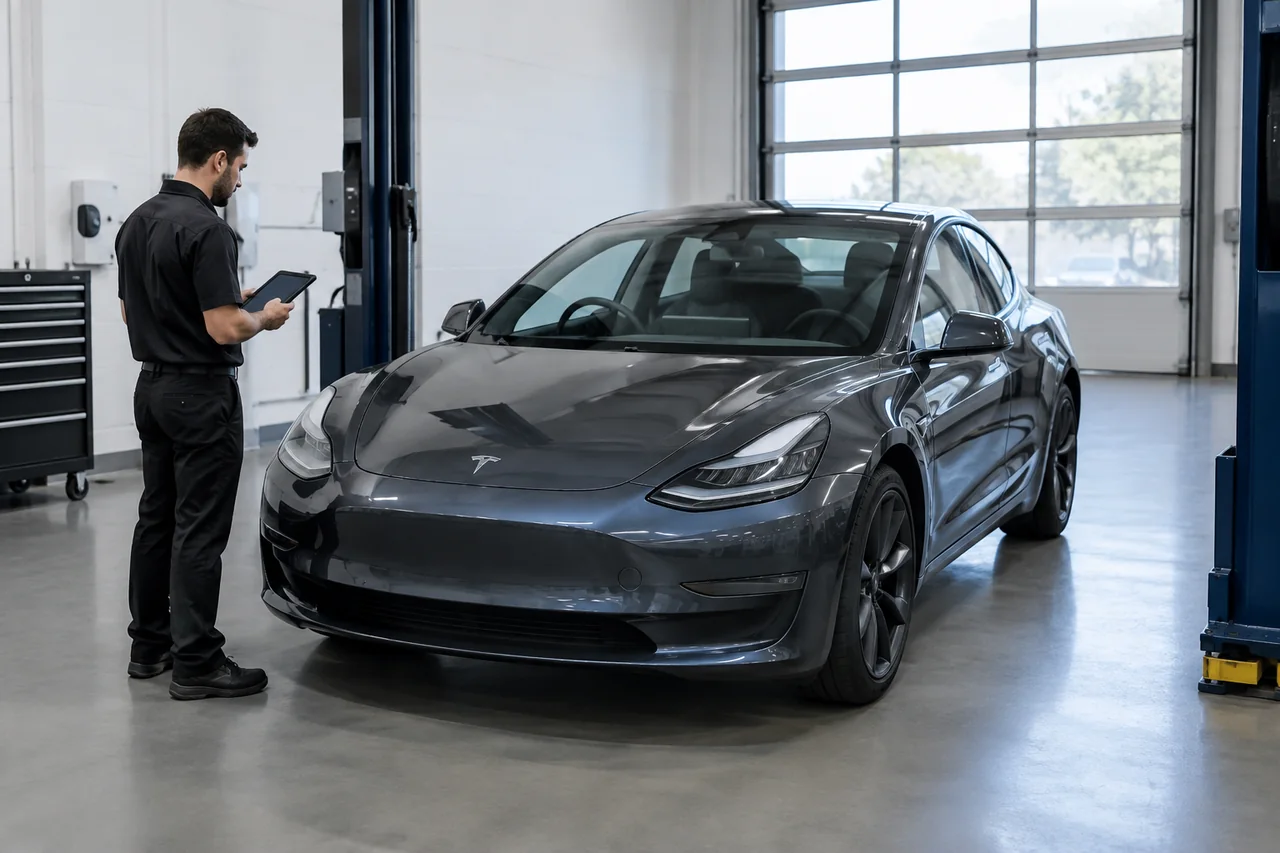
Tesla brake fluid still matters even though regenerative braking handles much of the slowing. Hydraulic friction brakes remain the backup that stops the car when regen is limited, and they rely on fluid to transmit pedal force. Knowing the correct specification, watching fluid condition, and responding to brake warnings keeps that system ready when you need it.
Why a Tesla Still Needs Brake Fluid
Regenerative braking recovers energy during deceleration by using the motors as generators, which reduces how often the friction brakes must work. Hydraulic braking still uses brake fluid to carry force from the pedal to the calipers whenever those pads and rotors are needed. That includes emergency stops, low-speed parking maneuvers, wet or low-traction conditions, and situations where the battery cannot accept more charge. Tesla brake fluid is the medium that makes those hydraulic events possible, so the circuit remains a safety-critical part of the car.
Those energy-recovery events do not eliminate Tesla brake fluid checks or replacement when the fluid is no longer fit for service. Limited friction-brake use can even leave fluid sitting in the lines and reservoir for long stretches, which is not the same as proving it still meets performance needs. Moisture can still enter the hygroscopic fluid, and heat from occasional hard stops can still stress a contaminated charge. A brake fluid condition check is how you confirm whether the hydraulic system is ready, not how many miles the pads have traveled.
Find the Correct Fluid Specification for Your Tesla
The owner's manual for your specific Tesla model and year is the place to confirm the required brake fluid specification. Tesla brake fluid requirements can include more than a familiar DOT number printed on a bottle, such as particular performance ratings or labeling notes that apply to that vehicle. A generic DOT designation alone may not capture every requirement listed by Tesla, so matching the published spec for that car matters more than grabbing a common glycol fluid from the shelf. Confirm the current manual language before any top-up or service.
Do not assign one fluid specification to every Tesla, and do not assume that a product marketed for electric vehicles is automatically suitable. Formulations, boiling-point claims, and seal chemistry vary, and the wrong bottle can introduce an unapproved mix into a sealed hydraulic circuit. If the reservoir cap, owner's literature, or a Tesla service record lists a specification, that listing is the one to follow. Aftermarket labels that mention EVs or regenerative braking are marketing language unless they also match the documented Tesla brake fluid specification for your car.
When Brake Fluid Needs Checking or Replacement
Brake fluid can absorb moisture over time because common glycol-based fluids are hygroscopic. Brake fluid moisture lowers the temperature at which the fluid can boil under braking heat, and vapor in the lines can make the pedal feel inconsistent. Even with regenerative braking taking much of the slowing load, occasional hydraulic stops still generate heat at the calipers. A brake fluid condition check looks at whether that moisture and other contamination have reached a point that undermines hydraulic braking, rather than treating calendar age or pad wear as the only clues.
A scheduled fluid condition check is not the same as an automatic replacement requirement. Tesla maintenance guidance for your model and year should be verified before anyone claims a universal interval, because published recommendations can differ by vehicle and by how the manufacturer describes inspection versus replacement. Service history, including prior Tesla brake fluid work, and a professional assessment of the fluid itself inform whether replacement is actually needed. If records are missing, treat the fluid as unknown and have it evaluated rather than assuming it is still within spec.
Brake Symptoms That Need Prompt Attention
A brake warning light, an unusually soft pedal, unexpected pedal travel, or reduced braking effectiveness are reasons for prompt assessment of a Tesla. Those symptoms can come from several causes, including a hydraulic leak, air in the circuit, a mechanical fault at a caliper or pad, electronic brake-system issues, or degraded Tesla brake fluid. None of them by itself proves that old fluid is responsible. Treat the warning or the change in pedal feel as evidence that the braking system needs diagnosis, not as a diagnosis of one part.
If braking feels impaired, stop safely as soon as you can and arrange assistance rather than continuing to drive to test the pedal. Do not treat a suspected low-fluid condition or a visible leak as a problem that topping up the reservoir will solve on its own. Low Tesla brake fluid can accompany pad wear as the pistons extend, or a leak that still needs to be found, and adding fluid without diagnosis can mask a hydraulic failure. Leave inspection of the reservoir, lines, and related warnings to qualified service so the cause is identified.
What to Ask During a Brake Fluid Service Visit
Bring the Tesla model, year, any brake warning light messages, and whatever brake fluid service records you have to the visit. Ask the service provider to confirm the specified fluid for that vehicle, explain the assessment results from the brake fluid condition check, and state clearly why replacement is or is not needed. That conversation should cover moisture findings, contamination, and whether the hydraulic circuit needs further inspection. Clear answers tied to your car's documented brake fluid specification are more useful than a generic recommendation applied to every EV.
Fluid color alone cannot reliably establish moisture content or overall serviceability, because dark or light appearance can mislead without a proper test. Bleeding, Tesla brake fluid replacement, and brake system testing belong with qualified service personnel who can open the hydraulic circuit without introducing air or the wrong specification. Request a written record of the fluid used, the work completed, and any remaining warnings. That documentation becomes the baseline for the next condition check and helps the next technician interpret later brake warning light events without guessing at prior service.