Tesla and EV Tire Rotation: Schedules, Patterns, Service, and Cost
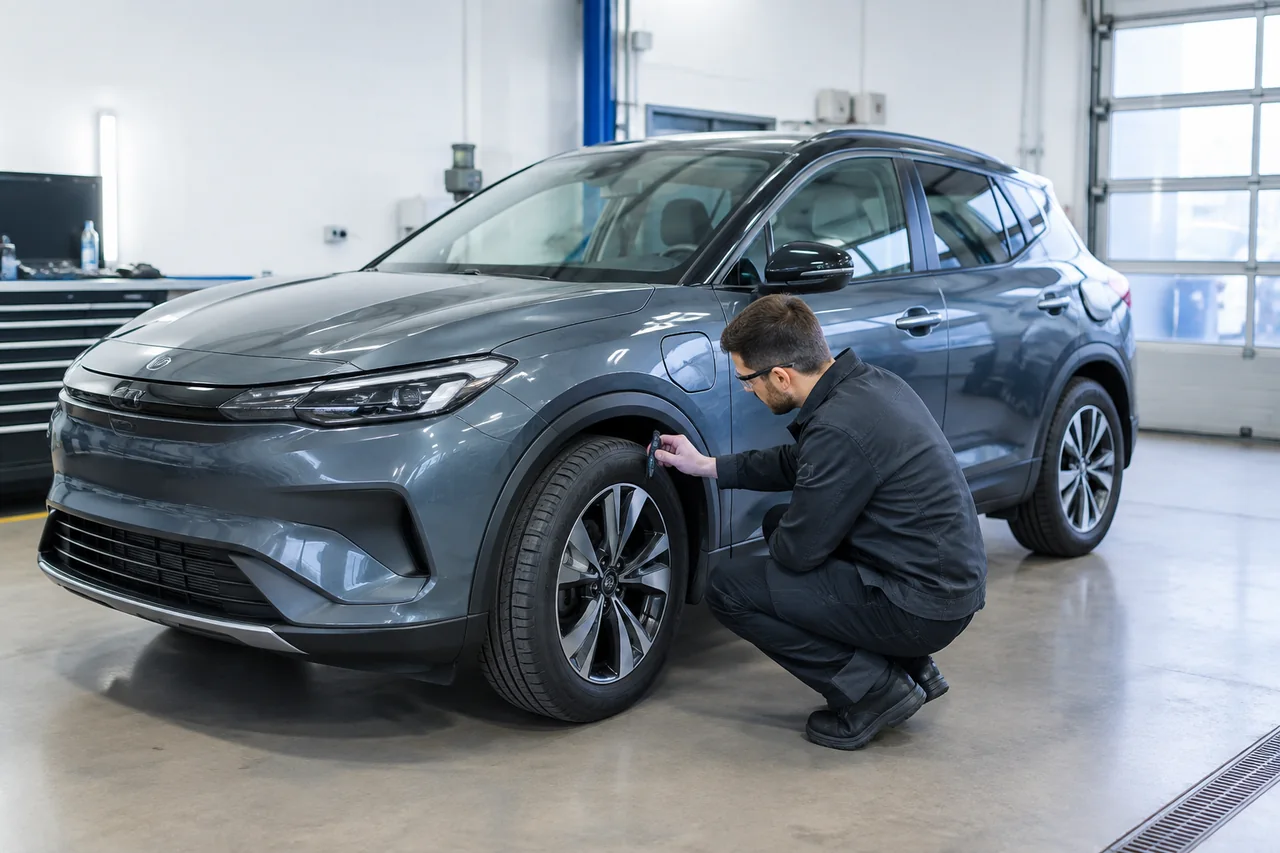
A Tesla tire rotation looks like routine maintenance, but the right schedule and pattern depend on your exact vehicle and tire setup. This guide explains why EV tire rotation matters, how Model 3, Model Y, and Model S owners can confirm their requirements, what Ioniq 5 and Rivian drivers should check, and how Tesla mobile service, service centers, and independent shops compare on booking and cost.
Why Tire Rotation Matters for Tesla and EV Owners
Electric vehicles often carry heavy battery packs, and their motors deliver torque instantly from a stop. Hard launches, aggressive cornering, and late braking can therefore scrub tread faster, although regenerative braking changes how braking loads reach the tires. Inflation matters just as much. Underinflated tires flex and wear on their shoulders, while overinflated tires wear in the center. Axle loading, drive layout, and alignment also shape wear at each position, so an EV does not automatically need unusually frequent service.
Rotation moves tires between positions so that each one spends time under different loads. When the wheel and tire setup allows it, this helps even out tread depth across the set. It cannot restore worn tread or repair a sidewall bulge or puncture. If uneven tire wear keeps coming back after rotation, such as feathered edges or a worn shoulder, the cause may be alignment, worn suspension parts, or inflation habits. That calls for a proper assessment, not another swap.
Finding the Right Rotation Schedule for Your Vehicle
The most reliable Tesla tire rotation schedule comes from the owner’s manual or maintenance guidance for your exact model, model year, and configuration. Some manufacturers set the interval by mileage, some by the difference in tread depth between tires, and some use both. Don't borrow a number from a forum or from another EV. Instead, log the date and odometer reading at each rotation and measure tread depth in several grooves on each tire so you can see how wear develops.
Check tire pressure cold, meaning before driving or after the car has sat for several hours. Compare the readings with the pressure on the door-jamb placard or in the manual, not the maximum printed on the sidewall. Look for cuts, bulges, exposed cords, embedded objects, and wear bars that sit flush with the tread. Repeated pressure loss, new vibration, or pronounced uneven wear are reasons to book an inspection now instead of waiting for the next scheduled rotation.
Checking Model 3, Model Y, and Model S Rotation Requirements
Before booking a Tesla Model 3 or Model Y tire rotation, gather the model year, trim, wheel size, and the tire sizes molded into the sidewalls on each axle. Also note any aftermarket wheels, winter tires, or replacements that differ from the original equipment. Treat Model 3 and Model Y separately, because wheel packages vary by trim and year. Confirm the permitted interval and the Model Y or Model 3 rotation pattern using guidance written for your configuration.
A Tesla Model S tire rotation needs the same checks. Don't assume its requirements match the smaller models, since wheel options and tire sizes differ across years and trims. Even when a service listing names the correct model, the car in the bay may have different wheels than the listing assumes. Confirming the installed setup keeps a provider from quoting or performing a rotation pattern that your particular tires cannot safely follow.
How Tire Size and Direction Determine Permitted Rotation Patterns
Any Tesla tire rotation pattern depends on three things. First, do the front and rear tires share the same size? Second, are the tires directional or asymmetric? Third, are the wheels identical front to rear in width and offset? When all four positions match and the tread is non-directional, more position changes are usually possible. A staggered wheel setup with wider rear tires can rule out front-to-rear rotation entirely, leaving only the options the manufacturer approves.
Directional tires have an arrow on the sidewall and must keep rolling in that direction. Unless the tires are remounted, this usually limits them to front-to-rear swaps on the same side. Asymmetric tires have outside and inside markings that dictate which face points outward on the wheel. Because these rules interact, confirm the approved pattern for your exact configuration. Leave lifting, wheel removal, and remounting to trained technicians with proper equipment.
Rotation Planning for Hyundai Ioniq 5 and Rivian Owners
Hyundai Ioniq 5 tire rotation guidance is in the owner’s manual and maintenance schedule for your model year, and the correct pattern depends on the wheel and tire package installed. Check the sidewall sizes and any directional markings before assuming a standard rotation applies. For Rivian tire rotation, first identify the model, model year, and wheel package, because the schedule and rotation eligibility can vary with tire fitment. Then confirm the details with Rivian’s maintenance information or service team.
When you request EV tire rotation from any provider, bring the date and mileage of the last rotation, recent tread readings, and the tire brand and size. Add notes on any vibration, pulling, or pressure warnings. Ask how the shop will lift the vehicle, because EVs have specific lift points and a battery pack underneath that must not be contacted. Confirming these procedures before the appointment helps prevent damage and shows whether the provider is equipped for your car.
Booking Tesla Mobile Service, a Service Center, or a Tire Shop
Tesla tire rotation service is usually requested through the Tesla app, where you describe the work and pick a location. Whether mobile service can do the rotation depends on your area and the job, so confirm availability when you book rather than assuming a technician will come to you. For a service center tire rotation, include your tire configuration, current mileage, any wear concerns, and symptoms such as noise or vibration so the team can plan the visit.
Independent tire shops can also rotate tires on a Tesla. Ask whether they use Tesla’s lifting points, whether your tire setup permits rotation, and what they check at the end, such as torquing lug nuts to specification and setting cold tire pressure. With any provider, confirm the scope of the appointment in writing. Ask for a record of where each tire moved and any wear the technician found, since that makes future tread comparisons much more useful.
Understanding Tesla Tire Rotation Costs and Your Estimate
There is no single answer to how much Tesla charges for tire rotation. Tesla tire rotation cost varies by location, by whether you use mobile service or a service center, by what the appointment includes, and by applicable taxes or fees. Independent shops set their own prices. For an accurate Tesla Model Y tire rotation cost estimate, give the model year, trim, wheel size, and tire sizes on each axle, and say whether the setup is staggered or directional.
Ask every provider for an itemized service estimate that lists the rotation charge on its own line and states whether a tread and pressure inspection is included. Wheel balancing, wheel alignment, and tire replacement are separate services. Each one needs a clear reason, such as measured vibration, pulling, or tread worn below a safe depth, and each should require your approval. Comparing itemized quotes side by side shows what you are paying for and helps you turn down unneeded add-ons.