TDI Brake Booster Vacuum Hose: Identifying the Correct Part
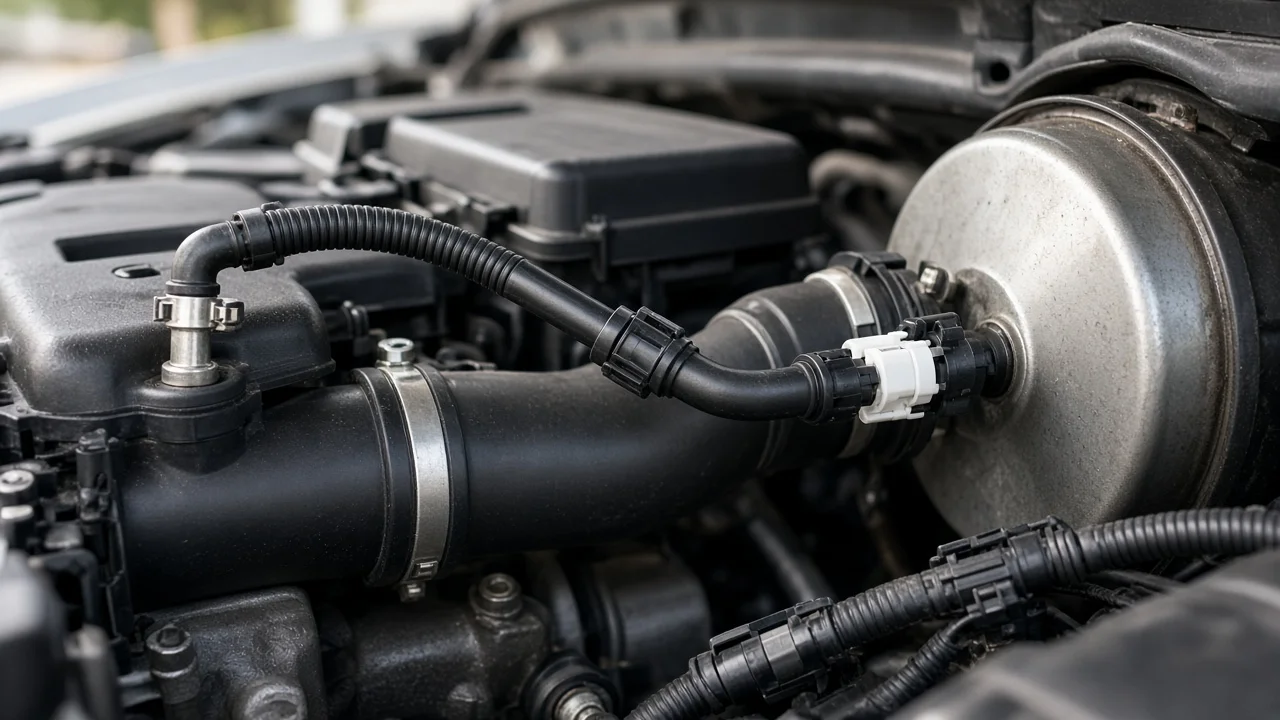
On a TDI diesel, the brake booster vacuum hose is a small part with a big job. It carries vacuum from the engine's mechanical pump to the booster that multiplies your pedal effort. Hose shape, check valve design and connector style changed across engine codes, model years and steering-side layouts, so a hose that looks right may not seal or route correctly. This guide covers how to identify the correct replacement and how to confirm it actually fixes the problem.
The short answer: match by VIN and engine code
The correct TDI brake booster vacuum hose is the one listed for your exact vehicle, identified by the VIN and the engine code rather than by model name and year alone. Two cars sold under the same name in the same year can use different hoses because they have different engines, transmissions or driver-side layouts. The most reliable approach is to have a parts counter or an electronic parts catalog decode the VIN. Then compare the listed part number with any number molded or printed on your old hose, if it is still legible. The engine code is usually on a sticker in the trunk area or service booklet and stamped on the engine itself.
Before ordering, compare three physical details with the original: the overall routing shape, the connector type at each end, and whether the check valve is built into the hose or is a separate piece. A listing that says it fits a TDI without naming an engine code or VIN range is a vehicle fitment claim you still need to verify yourself.
Why a TDI needs a dedicated vacuum supply
A gasoline engine with a throttle plate creates strong intake manifold vacuum, and many gasoline cars feed the brake booster directly from the manifold. A diesel runs essentially unthrottled, so there is no dependable manifold vacuum to draw from. TDI engines therefore use a mechanical vacuum pump driven by the engine. On many versions it mounts on the cylinder head and is driven by the camshaft; on some unit-injector engines it shares a tandem housing with the fuel supply pump. The pump creates vacuum whenever the engine runs, and the hose delivers it to the booster. Inside the booster, the pressure difference across a large diaphragm adds force to the pushrod that operates the master cylinder, which pressurizes the brake fluid sent to each caliper.
A one-way check valve sits between the pump and the booster. It lets air leave the booster toward the pump but stops air from flowing back, so the booster holds a vacuum reserve when the engine stops or pump output momentarily drops. That reserve is why you get a few assisted pedal applications after shutting the engine off. On many TDIs the same vacuum source also serves other actuators, such as EGR, turbocharger control or intake flaps, through separate lines or branches. A leak on a shared section can therefore affect both brake assist and engine behavior.
What changes which hose fits
Several factors change the correct part. Engine family matters most: earlier unit-injector TDIs and later common-rail TDIs differ in pump location, so the hose path and length differ. Steering side matters because left-hand-drive and right-hand-drive vehicles place the booster on opposite sides of the bulkhead. Transmission choice and surrounding components can alter routing. Manufacturers also made mid-production changes to check valve design and connector style. Some hoses are rigid plastic lines with molded rubber sections and quick-connect fittings; others are plain rubber hose secured with clamps. Some include a permanent check valve, while others use a separate valve or one mounted in the booster grommet.
Material matters as much as shape. The vacuum pump is oil-lubricated, so a light oil mist in the lines is common, and the hose sits near engine heat. Generic hose not rated for brake vacuum service can soften, collapse under vacuum or swell from oil. Fuel hose and heater hose are not suitable substitutes. If the engine has been modified or previously repaired with non-original parts, the routing may no longer match the catalog, which is another reason to inspect what is installed before ordering.
Confirming the hose is the problem
Common signs of a vacuum supply fault include a hard pedal that needs more effort than usual, a hiss near the booster or along the hose, and assist that fades during repeated stops. On a TDI, a leak in a shared vacuum section may also bring reduced power or stored engine fault codes. A simple booster check: with the engine off, press the pedal several times to use up the reserve, then hold steady pressure and start the engine. The pedal should sink slightly as assist returns. If it does not, vacuum is not reaching the booster. For a second check, run the engine for a minute, switch it off, wait a short time, and press the pedal. The first one or two applications should still feel assisted; a hard pedal right away points to a leaking check valve, hose or booster.
Then inspect the hose itself: look for cracks, soft or collapsed sections, oil-soaked rubber, broken quick-connect tabs and a loose booster grommet. Heavy liquid oil on the booster side is not normal and deserves professional inspection, since it can indicate a failed check valve or pump problem. Keep in mind these tests check assist only. A hard pedal is rarely caused by worn brake pads, and brake rotors, friction material and fluid level need their own separate checks.
Installing the replacement correctly
Lay the new hose beside the old one before removing anything, and photograph the routing and clip points. Pay close attention to check valve direction: the flow arrow should point toward the vacuum pump, away from the booster. A reversed valve blocks assist completely. Push quick-connect fittings in until they click, then tug to confirm they are locked. Do not overtighten clamps on plastic fittings, and keep the hose clear of exhaust heat and moving parts.
After installation, repeat both pedal tests and listen for hissing with the engine running. Drive slowly in a safe, empty area before returning to traffic. If engine fault codes were stored before the repair, have them rechecked after a test drive to confirm the shared vacuum circuit is sealed.
Limitations and when to stop driving
This guidance is general. Exact routing, part numbers and fitting details come from service information for your specific vehicle. A new hose will not fix a failing vacuum pump, a leaking booster diaphragm or a master cylinder fault. If the pedal tests still fail with a known-good hose and correctly oriented check valve, the problem is elsewhere and needs proper diagnosis.
If the pedal is very hard, sinks toward the floor, the brake warning light is on or the vehicle pulls during braking, stop driving and have it towed or inspected. Without assist the brakes still work mechanically, but they need far more force and stopping distances grow. A qualified technician can check the booster, master cylinder and fluid, and confirm pads and rotors are within wear limits, before the car returns to normal use.