Talking Tire Pressure Gauge
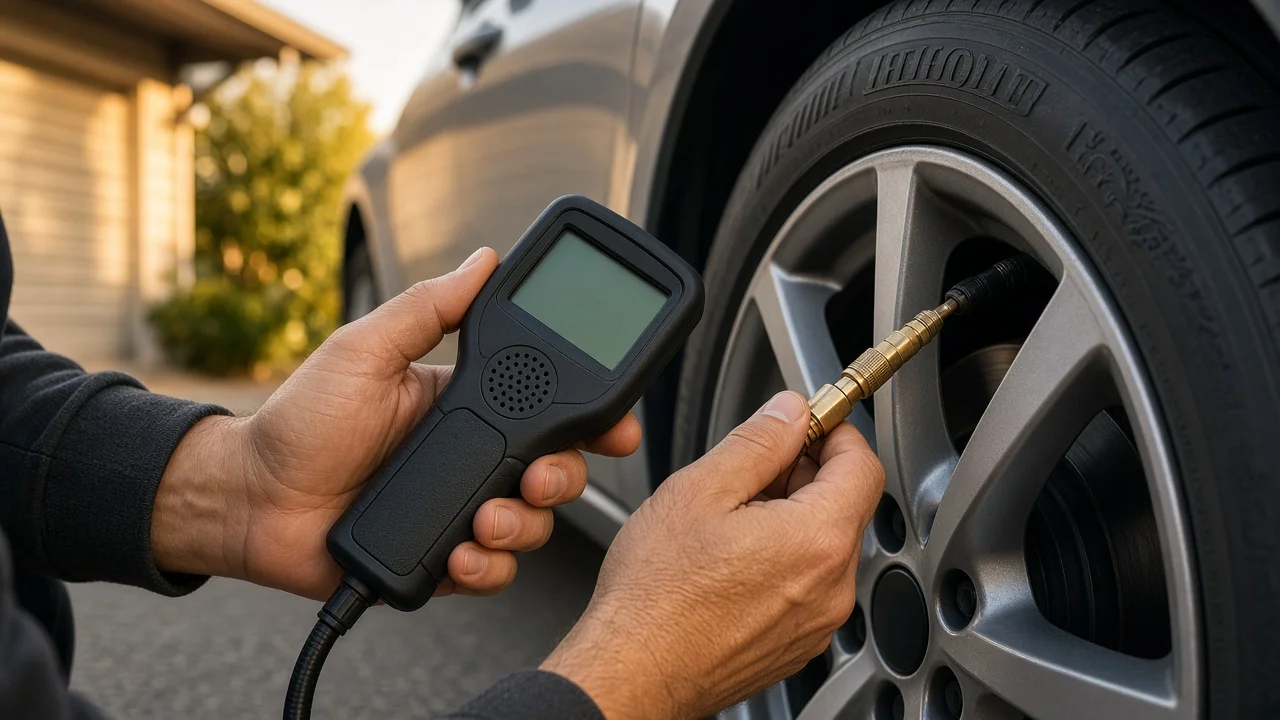
A talking tire pressure gauge turns a quick pressure check into a clear spoken result, which helps drivers who want an audible reading without squinting at a small digital display. When you compare a talking tire pressure gauge with a talking digital tire pressure gauge, the key differences come down to how the voice output, measurement range, and display work together. The right choice should match your vehicle specification, the units you prefer, and how often you need to confirm inflation pressure at each wheel.
The direct answer
A talking tire pressure gauge is most useful when you need a clear spoken pressure value during a routine check, especially in low light or when the display is difficult to read. The tool still performs a direct measurement at the valve stem, so the spoken result depends on a solid connection between the chuck and the Schrader valve. If the gauge is not seated squarely, you may hear an inaccurate number or no reading at all.
Accuracy varies with the sensor design and how well the gauge is calibrated from the factory. Some units announce readings in whole or half psi, while others also support kPa or bar, so look for a model that matches the pressure units listed on the driver door placard. The voice feature does not change the measurement itself, but it can help you catch an underinflated tire before the warning light appears or before handling and tread wear become noticeable.