Sway control for enclosed trailers
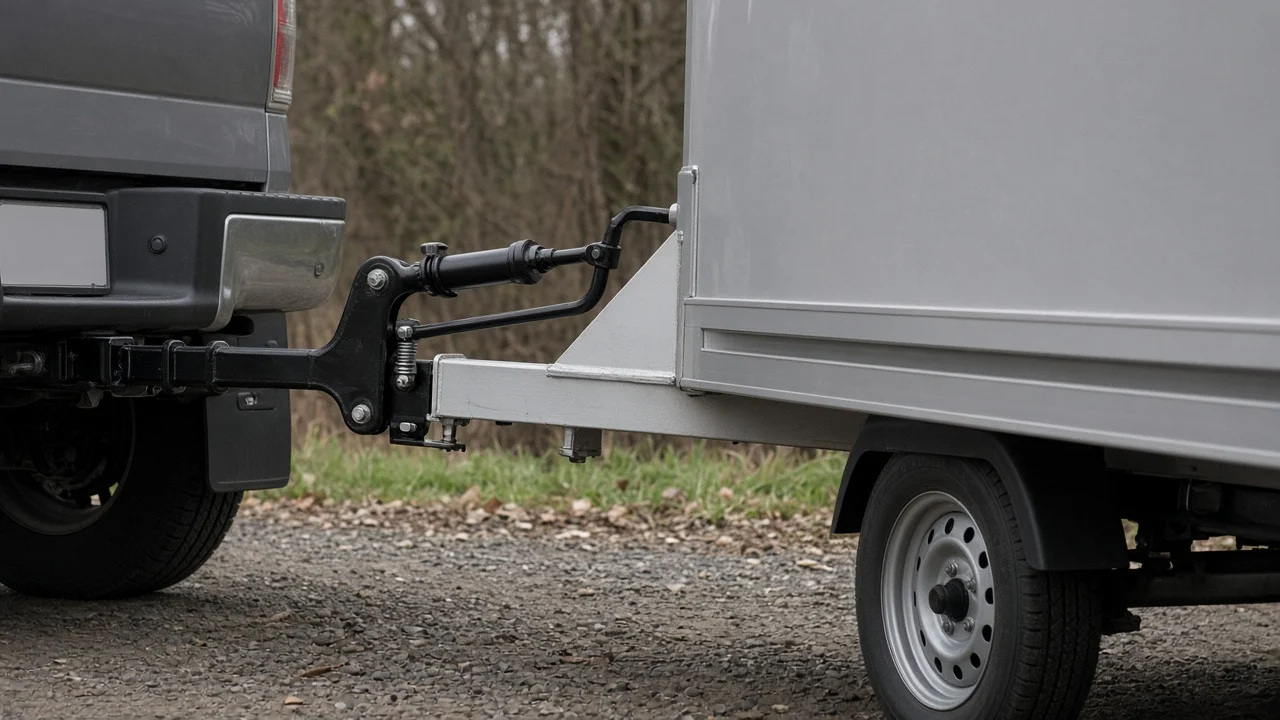
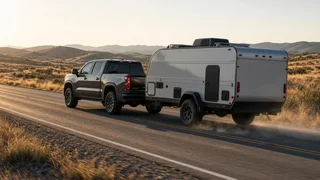
Sway control for enclosed trailers addresses the side-to-side oscillation that can begin when a tow vehicle and trailer encounter wind, bow waves from trucks, or abrupt steering corrections. Enclosed bodies have broad side areas and respond quickly to aerodynamic disturbances, which makes managing yaw early important for stability. Drivers researching this subject usually want to understand how weight distribution, hitch components, and trailer configuration contribute to sway. The basic principle is that controlled loading geometry and a suitable friction or cam-style device can help the combination settle more quickly after a disturbance.
Essential answer
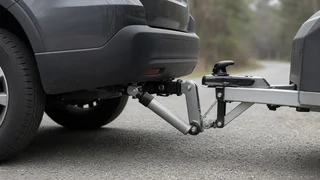
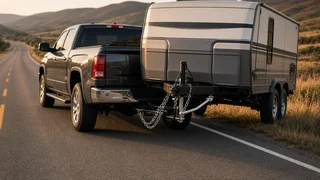
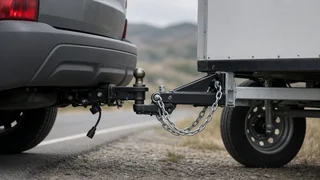
Sway control for enclosed trailers is a method of resisting unintended side-to-side trailer movement by adding friction or mechanical leverage at the hitch connection. In simple use, the device makes the trailer pivot from the ball mount less freely, so small lateral inputs do not grow into rhythmic yaw. This matters because a large enclosed body can catch wind and feed energy back through the coupler into the rear axle of the tow vehicle. Weight placement and tongue load remain the first line of defense, with the control unit serving as a stabilizing supplement.
Many systems work in combination with a weight-distributing hitch, while others attach as a small friction bar between the trailer frame and a ball on the receiver. The setup changes how forces are transmitted when the rig begins to steer slightly off-axis. A driver may feel the correction as a slower, calmer return to straight-line travel after passing a semi or exiting a tree line. Because enclosed trailers can be high and slab-sided, considering both gross vehicle weight rating and the distribution of cargo helps the control device operate within a useful range.