Suzuki J20A timing chain
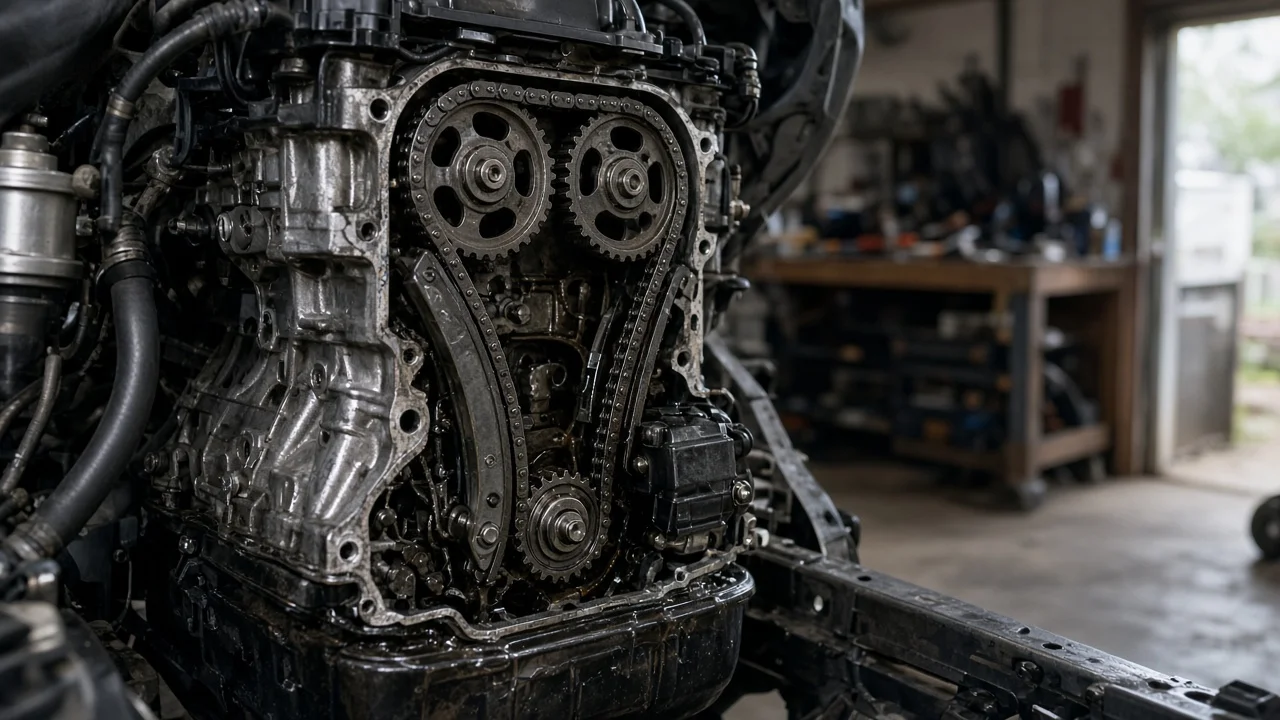
The Suzuki J20A is a twin-cam four-cylinder engine where the timing chain is more than a routine wear item; it coordinates the crankshaft and camshafts so valve events stay synchronized with piston movement. Owners researching the j20a engine timing chain usually want to know whether the design uses a belt or chain, what symptoms indicate stretch or guide wear, and how inspection fits into service history. Understanding the engine configuration helps separate normal operating noise from chain-related trouble and guides diagnostic codes or symptom conditions before major work is approved.
Essential answer
The J20A uses a timing chain rather than a rubber timing belt, which is the direct answer for anyone asking whether this engine requires periodic belt replacement. A chain runs inside the front timing cover and typically receives splash or pressure lubrication from engine oil. Because it is metal, the chain is designed for long service, but it is not immune to wear. Chain elongation, tensioner movement, and guide surface degradation can change valve timing enough to affect idle quality, fuel trim, or trigger diagnostic codes.
Inspection is the key step before concluding that a chain is faulty. Engine configuration influences access, so a visual check may require removing the timing cover or using a borescope through an oil fill or inspection opening. Manufacturer specifications and service history provide the comparison point for acceptable chain slack or guide condition. A fault code is evidence to interpret, not proof a part has failed, especially when codes may also arise from cam or crank sensor correlation, oil pressure, or actuator concerns.