SUVs Without a CVT: Small, Midsize, and 4WD Buying Options
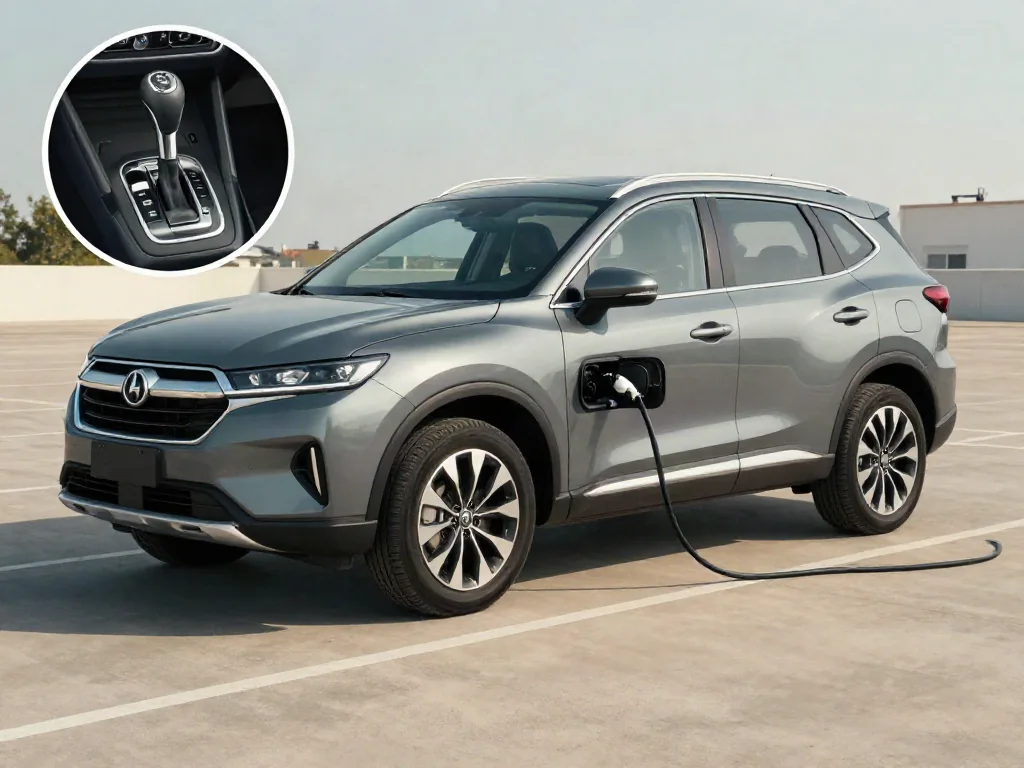
Buyers hunting for the best SUV without a CVT transmission often want a conventional automatic with a torque converter and fixed gear ratios rather than a continuously variable design. For 2025, that search spans compact, small, midsize, and four-wheel-drive models, and it depends on US-market powertrain configuration, not a body-style label. The right shortlist starts with seating, cargo needs, and documented maintenance rather than a generic ranking.
Define Your SUV Shortlist Around a Conventional Automatic
A useful shortlist of SUVs that do not have a CVT transmission should start with conventional, stepped automatics that use a torque converter and distinct gear steps. A non-CVT label is broader than that: it can also cover a manual gearbox or a dual-clutch unit, which shift and feel different from a traditional automatic. Many shoppers prefer that familiar accelerator response and the sensation of distinct shifts because it matches the ownership experience they already know, not because any one design is universally more reliable.
Best, in this context, is personal. Seating for daily passengers, cargo space for gear, a parking footprint that fits home and errands, and whether you need two-wheel drive or four-wheel drive all matter more than a single ranking of the best small SUV without a CVT transmission. Transmission availability also has to be tied to the US-market model year and the exact powertrain configuration, because the same nameplate can ship with different gearboxes depending on engine, hybrid status, and trim. Documented maintenance should sit on that shortlist alongside space and drivetrain.
Small and Compact SUVs With Conventional Automatics
If you are asking what SUV does not have a CVT transmission in the compact class, the 2025 Mazda CX-5 pairs with a six-speed conventional automatic, which keeps it on a stepped-gear shortlist. Gasoline versions of the 2025 Mazda CX-50 also use a six-speed automatic, so those gasoline powertrains belong here while the hybrid configuration should be kept outside this entry until its gearbox is confirmed separately. The gasoline 2025 Toyota RAV4 is another small-SUV candidate when it is equipped with an eight-speed automatic; that recommendation is limited to that gasoline powertrain, not every RAV4 on a lot.
Naming a candidate is only the start. Sit in every row, check how easily doors open in a typical parking space, and load the cargo area with the seats in the positions you actually use. Visibility from the driver's seat, blind-spot size, and how the conventional automatic takes throttle around town all belong in that in-person evaluation. Ask for the exact vehicle's transmission documentation rather than assuming the window sticker of a similar CX-5, CX-50, or RAV4 matches the one you are considering, because powertrain mix can vary on the same lot.
Midsize SUVs With Conventional Automatics
Two-row and three-row midsize bodies can still use stepped automatics when you want to know what SUVs do not have a CVT transmission. The 2025 Honda Passport uses a nine-speed automatic as a two-row midsize option for buyers who want room without a third row. The 2025 Honda Pilot pairs a ten-speed automatic with three-row seating. The 2025 Jeep Grand Cherokee is listed with an eight-speed automatic, but the specific configuration still has to be confirmed before treating it as a best midsize SUV without a CVT transmission.
A midsize body does not automatically solve access or cargo problems. Check how adults enter the second and, on the Pilot, third row, and whether the cargo floor remains usable with those seats occupied. If towing is part of the plan, confirm hitch hardware, cooling, and rating on that vehicle rather than assuming a conventional automatic implies trailer capability. Fixed gear ratios can make engine speed more predictable under load, yet trailer limits still come from the published equipment package, not from the fact that the SUV does not have a CVT transmission.
4WD SUVs With Conventional Automatic Transmissions
Buyers looking for four-wheel drive and the best SUV without a CVT transmission should treat drivetrain and gearbox as separate questions. An automatic-equipped 2025 Ford Bronco with the ten-speed transmission can belong on that list when you mean the full-size Bronco, not a similarly named small crossover, and the selected vehicle still needs verification. A 2025 Jeep Grand Cherokee with four-wheel drive and an eight-speed automatic is another candidate, but 4WD must be confirmed independently of the transmission. A listing that only says automatic never proves the transfer case, low range, or axle package you want.
A conventional automatic does not establish whether an SUV has four-wheel drive, a low-range transfer case, or any particular terrain capability. Those features live in the installed drivetrain hardware, which should be documented on the original window sticker, manufacturer specifications, or a VIN-linked vehicle build record. Before you commit, inspect the underbody for scrapes, bent shields, leaking joints, and other evidence of demanding use, because a 4WD SUV without a CVT transmission can still have been worked hard off pavement. Confirm the exact four-wheel-drive system on that VIN rather than trusting a brochure photo.
Verify the Transmission on a 2025 SUV
Every 2025 recommendation here is anchored to a stated engine, hybrid status, and US-market configuration. Do not extend those pairings automatically to 2024, 2026, or a Canadian or other-market example of the same nameplate, because manufacturers change gearboxes by model year and powertrain. A sales listing that simply says automatic is not enough to identify the transmission design. That word can cover a torque-converter automatic with fixed gear ratios, a dual-clutch unit, or a continuously variable system, so a 2025 SUV without a CVT transmission still has to be verified on the actual vehicle.
Use the original window sticker, manufacturer specifications, or a VIN-linked dealer build record to confirm the exact transmission code and description. Those documents are more reliable than a lot description or a salesperson's shorthand. Hybrid listings can add another trap: eCVT terminology sometimes describes a hybrid power-split system with a different mechanical design from a belt-and-pulley CVT. Verify the actual system before you include or exclude that vehicle from a conventional-automatic shortlist, especially when comparing gasoline and hybrid versions of the same compact or midsize nameplate.
Inspect a Used SUV Before Committing
On a used example, review maintenance records against the manufacturer's requirements for that exact vehicle instead of applying a universal fluid-change interval. Missing invoices, unexplained gaps, or work done without a documented fluid type deserve follow-up. During an ordinary, legal test drive, notice delayed engagement into drive or reverse, shuddering as the torque converter works, unexpected rises or drops in engine speed, harsh shifts between fixed gear ratios, and any warning messages on the cluster. Those observations help a technician later; they do not, by themselves, name a failed part.
Smooth operation on a short drive is also not proof of mechanical health, and a stored fault code is evidence to interpret rather than proof a clutch pack, valve body, or torque converter has failed. Manufacturer-dependent codes still need vehicle-specific confirmation. When symptoms, missing records, or an unclear powertrain configuration leave uncertainty, an independent pre-purchase inspection and professional diagnostic testing are the practical next steps. That inspection should include the transmission, four-wheel-drive hardware if fitted, and a check that the installed gearbox matches the claimed conventional automatic rather than a CVT or eCVT system.