SUVs With a Manual Transmission: New and Used Buying Guide
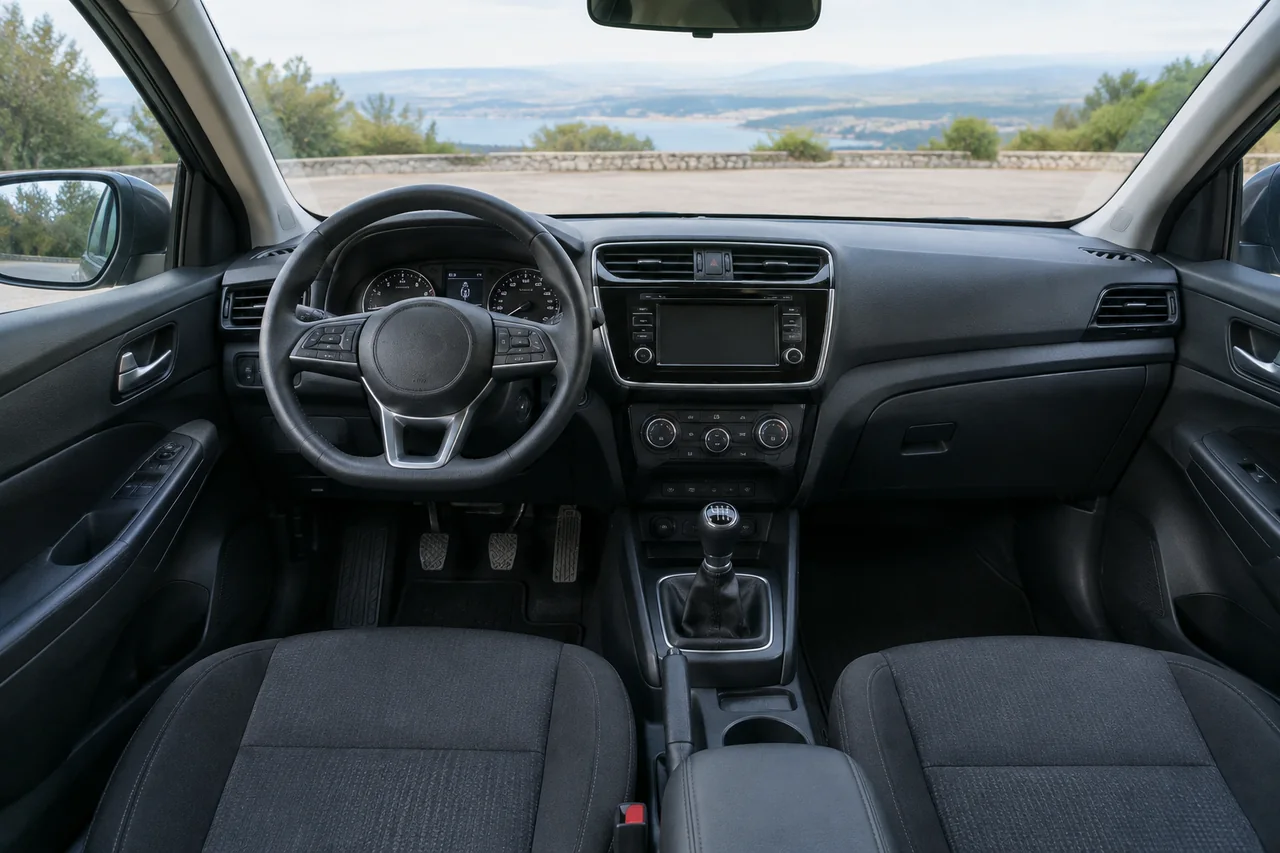
Finding the best manual transmission SUVs starts with the job the vehicle has to do, not a ranked list. A factory three-pedal SUV with a clutch pedal and manual gearbox still exists in limited US configurations, and older stick-shift SUV examples remain on the used market. Confirm transmission availability through vehicle build records, then inspect a used SUV so the listing matches the vehicle you actually drive.
Define What You Need From a Manual SUV
The best SUV with a manual transmission for one household can be a poor fit for another, so start with seating, cargo space, parking constraints, and intended driving conditions before you shortlist anything. Count regular occupants, measure garage width and turning radius, and decide whether the vehicle will spend most of its time in city traffic, on highways, or on unpaved roads. Those constraints shrink the field faster than brand preference and prevent a one-size ranking that ignores how the vehicle will actually be used.
Look for a factory three-pedal SUV with a clutch pedal and a manual gearbox, not an automatic whose listing mentions a manual mode, paddle shifters, or a sequential gate. Those descriptions need further verification because they often describe electronic control of an automatic, not a stick-shift SUV. Keep the search inside the US market as well. A domestic-market vehicle with documented factory transmission availability is a different proposition from a privately imported example whose equipment, lighting, emissions equipment, and service history may not match US-sold counterparts.
Check New Manual SUV Availability by Model Year
For current three-pedal SUVs, Jeep Wrangler and Ford Bronco are practical starting points, but transmission availability must be verified for the exact model year rather than assumed from a prior year. A stick-shift option can appear on one engine, trim, or body configuration and disappear from another, so confirm the combination of engine, trim, two-door or four-door body, and factory transmission before treating a vehicle as available. Window stickers, order guides, and build sheets for that model year are more reliable than memory or a brochure from a different year.
An advertised vehicle sitting in dealer inventory is not the same as a configuration that can still be ordered. A leftover three-pedal SUV on a lot may be a previous model year or a trim that is no longer configurable. Ask for photos that show the clutch pedal, the shift pattern, and the instrument cluster, then match those images to factory documentation. If the listing says manual while the photos show only two pedals, treat the vehicle as unverified until the factory transmission is confirmed.
Find Older Factory-Manual SUVs Worth Investigating
Older factory-manual SUVs worth investigating in the US used market include certain Toyota 4Runner, Honda CR-V, and Porsche Cayenne examples, but a familiar model name does not establish transmission type, drivetrain, or equipment. Not every generation offered a manual gearbox. Before treating a listing as a three-pedal SUV, confirm the applicable US model years and the factory configurations that actually paired a clutch pedal with that body and engine. Window stickers, original sales documents, and manufacturer vehicle build records are the way to do that work rather than relying on the nameplate alone.
Each of those models is useful for a different intended use once the verified configuration is known. A 4Runner that left the factory with a manual gearbox is typically evaluated as a body-on-frame utility vehicle, so rust and four-wheel-drive hardware matter as much as shift quality. A CR-V with a confirmed factory stick shift is more often a compact crossover for commuting, which puts emphasis on clutch engagement in traffic. A Cayenne with a documented factory manual is a performance-oriented used SUV whose leaks and specialized gearbox work deserve extra attention during inspection, without ranking any of the three.
Verify That a Used Listing Matches the Vehicle
Before arranging a visit, request clear photos of the pedals, the shift pattern on the lever, the interior, and vehicle identification details such as the VIN plate and door sticker. A three-pedal SUV should show a clutch pedal to the left of the brake, and the lever should display a conventional H-pattern rather than a gated automatic selector. Then check factory build information or other reliable vehicle build records. Basic VIN decoders often omit transmission details, so a decoder result that is silent on the gearbox is not confirmation that a factory transmission is present.
Ask whether the vehicle retains its factory transmission or has undergone a conversion, and request documentation for any modifications, including clutch, flywheel, or gearbox swaps. A converted automatic can look convincing in photos yet lack matching build records, correct pedal assembly, or compatible driveline parts. Review maintenance records for clutch or gearbox work as well. Replacement history is useful context, but a new clutch or rebuilt manual gearbox does not establish present condition; it only shows that work was performed at some point and still requires a current used SUV inspection.
Assess Clutch and Gearbox Condition Safely
An ordinary, legal test drive is enough to gather useful observations without abusing the drivetrain. Note whether clutch engagement is consistent from a stop, whether gears select cleanly, and whether unusual noises appear during shifts, deceleration, or while rolling in neutral. Watch for warning lights that appear with the engine running. Grinding, difficult engagement, or engine speed rising without corresponding acceleration warrants assessment, but those symptoms do not prove a single failed component. A clutch, hydraulic system, synchronizer, mount, or related driveline part can produce overlapping behavior that still needs professional interpretation.
Do not perform deliberate clutch-slip tests, aggressive shifting, or drivetrain testing on loose, steep, or otherwise unsuitable surfaces. Those maneuvers can damage a used SUV and tell you less than a calm drive followed by a thorough inspection. Have an independent shop inspect the clutch, manual gearbox, fluid leaks, underbody corrosion, and any four-wheel-drive equipment. Unresolved noises, inconsistent engagement, or warning lights should go to professional testing rather than a roadside diagnosis. A fault light or stored code is evidence to interpret, not proof that the transmission itself has failed, and manufacturer-dependent codes still require vehicle-specific confirmation.
Plan for Ownership Before Committing
Confirm that you and every intended household driver can operate a clutch pedal comfortably in routine traffic, including hills, stop-and-go commuting, and parking maneuvers. A three-pedal SUV that feels natural on an empty road can still be a poor daily driver if someone who shares the vehicle cannot use the stick shift confidently. Investigate service expertise and parts availability for the exact model year and factory transmission. Clutch and gearbox parts are not interchangeable across generations, and assuming compatibility from a similar nameplate can leave a rare stick-shift SUV hard to keep on the road.
Build a purchase budget that leaves room for inspection findings, deferred maintenance, and possible clutch or gearbox repairs rather than treating the asking price as the full cost of ownership. Do not rely on a single current price figure, because condition, rarity, and required work vary widely among used three-pedal SUVs. Pause the purchase if identification details do not match, if a conversion is undocumented, or if the seller refuses an independent inspection. Those are practical reasons to walk away, even when the listing looks like one of the best SUVs with a manual transmission on paper.