SUV Wheel Alignment: When to Check It and How to Choose a Service
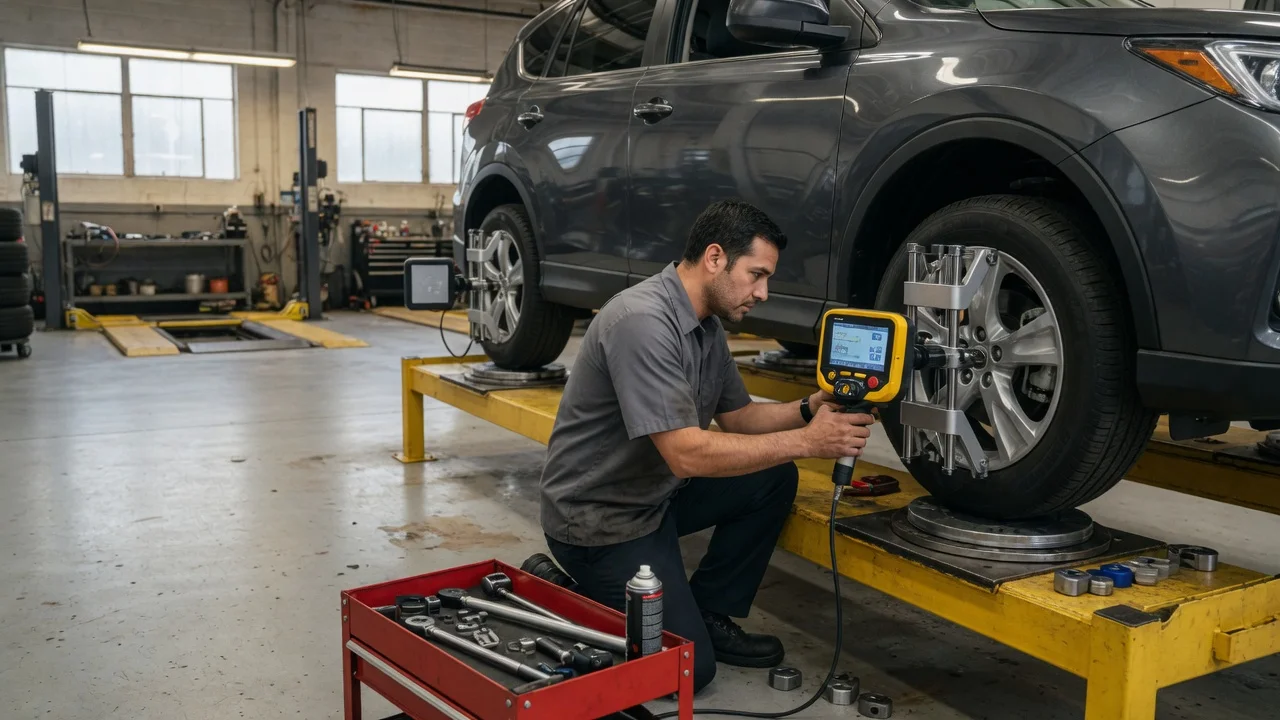
Start with the intended use
Wheel alignment is about correcting the angles of the wheels so the vehicle tracks straight and the tires meet the road as intended. For an SUV, the relevant factors include how the vehicle is used, the suspension condition, and the type of roads it regularly handles. A vehicle that carries heavy loads, tows a trailer, or spends time on rough surfaces can put more stress on suspension components than a vehicle used mainly for flat highway driving. Before choosing a service, identify whether the goal is routine maintenance, fixing uneven tire wear, addressing steering pull, or checking alignment after suspension work.
The result should be a clear before-and-after report showing the measured angles and the factory target range for the vehicle. If the SUV has adjustable rear alignment, the service should cover all adjustable wheels. If the vehicle has recently had struts, control arms, tie rods, or other steering and suspension parts replaced, mention that work when booking the appointment because it affects what the technician needs to inspect.
Features that matter
A wheel alignment service checks camber, caster, and toe. Camber is the inward or outward tilt of the wheel when viewed from the front. Toe is the angle at which the tires point inward or outward when viewed from above. Caster affects steering stability and is measured on the front wheels. These are adjustment targets, not scores of overall vehicle quality. A shop may show that a value is outside the specified range, but the important detail is whether the equipment and technician can adjust that angle correctly for the vehicle.
Some SUVs have adjustable front and rear alignment, while others allow only limited adjustment because of the suspension design. If a measurement is outside specification and the vehicle has no factory adjustment for that angle, the cause may be a worn or damaged part rather than a simple alignment issue. In that case, a proper service should identify the likely component instead of claiming that the alignment alone will solve the problem.
Check compatibility
Not every wheel alignment shop has current data for every SUV model, wheel size, or suspension package. Ask whether the shop can load the factory specifications for the exact year, model, and configuration of the vehicle. This matters because target angles can differ between trim levels, optional suspension systems, and wheel sizes. A shop that uses a generic profile may be working from incorrect values.
Also confirm that the equipment can accommodate the vehicle's size and weight. A full-size SUV with larger wheels may not fit on every alignment rack, particularly if the shop works mostly with smaller passenger cars. The safest approach is to give the shop the vehicle details before scheduling so they can confirm that their rack and software support the SUV.
Build a shortlist
Use a short checklist rather than relying on a shop's general reputation. Look for a service that can provide the vehicle-specific alignment data, measure all adjustable wheels, inspect suspension components before making changes, and give a printed or digital report with before-and-after values.
When comparing options, ask these questions:
Can the shop load the factory specs for the exact SUV model and configuration? Is the vehicle within the rack's size and weight limits? Does the service include a suspension inspection before adjustment? Will the report show measured angles before and after the service? Are both front and rear alignment covered if the SUV has rear adjustment? Does the shop explain the result in plain terms without promising that alignment alone will fix tire wear or steering pull?
The purpose of the checklist is to separate shops that can verify the work from those that only describe the service in general terms. If the vehicle has a known suspension concern, choose a shop that is willing to inspect the components and explain what can be adjusted, what cannot, and what may need repair before a useful tire wheel alignment can be performed.