SUV and Car Camper Conversion
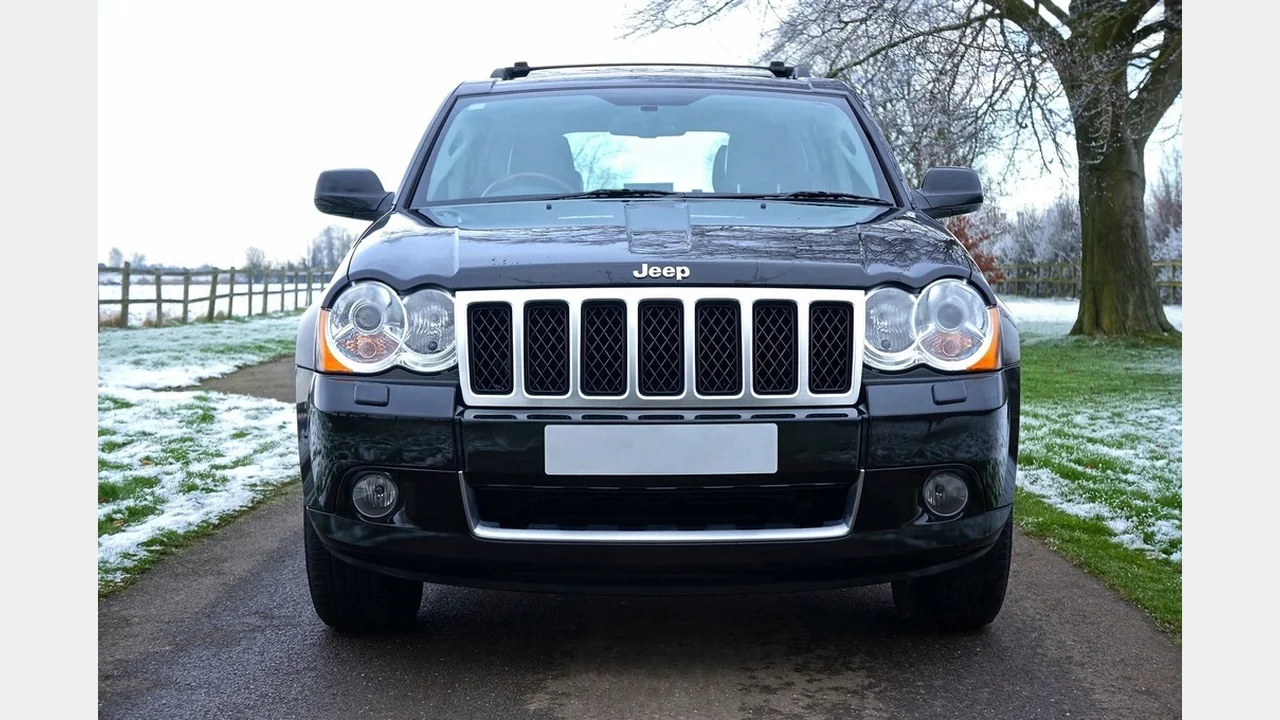
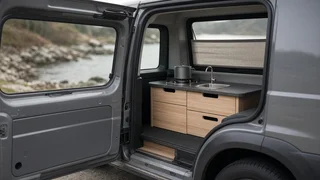
An SUV camper conversion turns the cargo area behind the front seats into a compact sleeping and living space without the height and custom bodywork of a full van build. While a Prius liftback is not an SUV, the related “Toyota Prius camper van conversion” search shows how the same low-cost logic applies to hatchbacks and crossovers. The appeal is a discreet, fuel-efficient setup for road trips, weekend camping, or emergency lodging. Success depends on using the vehicle’s folded-seat geometry, ventilation, and weight limits rather than trying to replicate a recreational vehicle.
Essential answer
An SUV camper conversion is a removable or semi-permanent arrangement that equips the rear cabin for sleeping and basic camping. Most builds rely on a folding or modular platform that spans the load floor, often with storage drawers or bins beneath. The key distinction from a camper van conversion is interior height: an SUV usually allows sitting up but rarely standing, so the layout prioritizes a low bed, accessible gear, and simple cooking or washing setups near the rear hatch.
The idea also extends to a Toyota Prius because the hatchback’s long load floor and climate-control system make it popular for car camping. The term “camper van conversion” can be misleading in that context since no raised roof or dedicated plumbing is involved. Instead, owners build a level sleeping deck over the folded rear seats, add window coverings, and use the hybrid’s battery to run ventilation overnight. This is a temporary sleeping conversion rather than a fully self-contained living space, which matters when comparing cargo volume, headroom, and everyday usability between an SUV and a smaller hatchback.