Suspension Bushings: Function, Wear Symptoms and Replacement
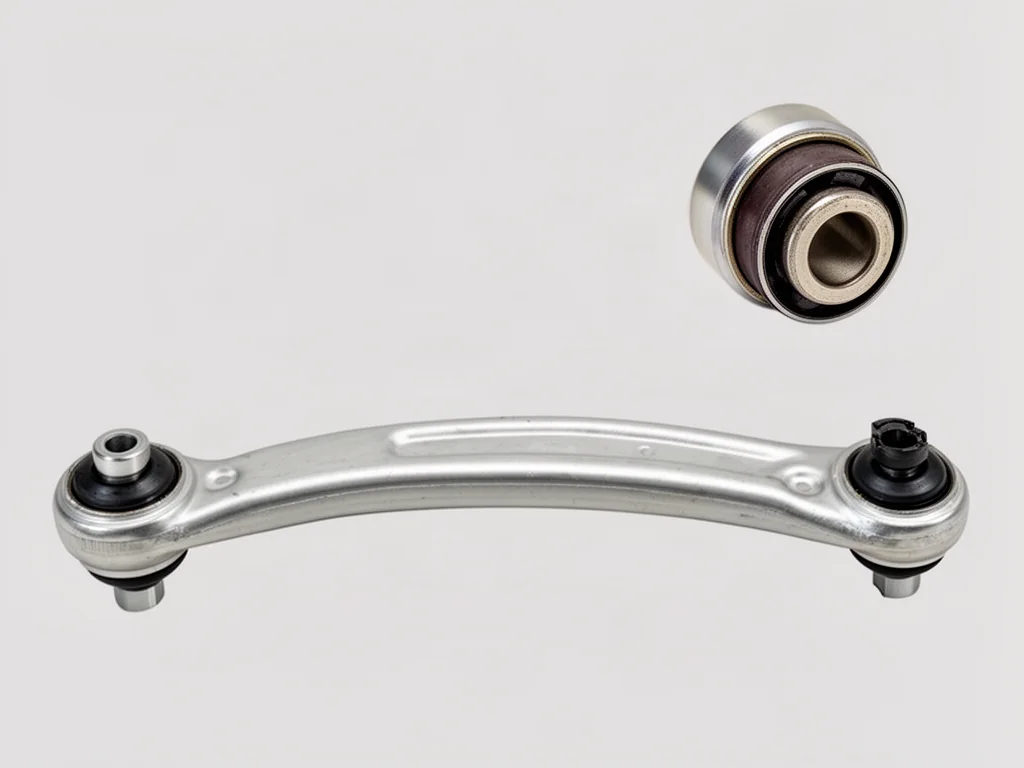
A bushing in car suspension is a small part with a large influence on how a vehicle rides, steers and sounds. Car suspension bushings cushion the joints between moving components and the body or frame. When they wear, drivers may notice noise, vague handling or uneven tire wear. Knowing what bushings do, how worn bushes show up and what replacement involves helps owners make informed repair decisions.
What Suspension Bushings Do
So what are car suspension bushes? A bushing, also called a bush, or bushes in the plural, is a resilient connection placed where a suspension part attaches to the vehicle or to another component. Instead of metal grinding against metal, the flexible material lets the joint pivot or twist within a controlled range. That same material absorbs road vibration and filters out much of the noise that would otherwise travel into the cabin. This is why healthy bushings contribute so much to a quiet, composed ride.
Bushings also help keep the suspension geometry where the engineers intended. Under hard braking, a control arm is pushed rearward. During cornering, side loads try to shift it sideways, and potholes deliver sharp vertical impacts. A properly functioning car suspension bush resists these forces enough to keep wheel angles stable while still flexing slightly. Appearance alone cannot confirm that a bushing is working, because internal separation, softened material or a loosened bond to its sleeve may not be visible. A clean-looking part can still allow too much movement.
Where Bushings Fit and How Their Materials Work
Common locations include control arm bushings at the inner pivot points, stabilizer bar mounts and the ends of various suspension links, though layouts vary considerably between vehicles. Many bushings use layered construction: an inner metal sleeve that the mounting bolt passes through, resilient material bonded or pressed around it, and an outer shell that fits into the arm or bracket. Rubber bushings allow movement by deforming in ways they were designed to, twisting and compressing rather than sliding. That same flexing is how they soak up road vibration.
Polyurethane bushings are an alternative suited to particular applications. They are generally firmer than rubber, which some owners want for sharper steering response, but that firmness can pass more vibration into the cabin. Many polyurethane designs let the sleeve rotate inside the material, so fit, lubrication needs and maintenance depend on the specific product and vehicle. Some bushings contain fluid to improve damping. These need an assessment suited to their construction, since a fluid leak can signal trouble that a quick look at the rubber would miss.
Symptoms That Can Point to Worn Bushings
Worn bushings often show up as clunks over bumps, squeaks when the suspension moves, or vibration felt through the steering wheel or floor. The difficulty is that ball joints, tie rod ends, stabilizer links, strut mounts and shock absorbers can produce very similar complaints, so a noise alone does not identify the source. When car suspension bushes are worn, extra movement at the mount can also cause looseness, a tendency to wander on the highway, or steering response that feels delayed or inconsistent.
Uneven tire wear is another reason to inspect suspension condition and wheel alignment together. If a bushing lets an arm shift under load, wheel angles can change while driving and the tire may wear on one edge. However, alignment settings, inflation habits and other worn suspension joints can cause the same pattern, so tire wear calls for an inspection rather than proving the bushing has failed. Fine surface cracking from age is common on rubber and is not automatically a problem. Torn material, separation from a sleeve or visible displacement calls for a professional assessment.
Safe Observations and When to Arrange an Inspection
Useful observations start with timing. Note whether a noise or sensation appears during turns, while braking, when accelerating or only over bumps, and whether it changes with speed or temperature. Record these details during normal driving rather than deliberately provoking unstable handling to reproduce them. With the vehicle parked on level ground and the engine off, an owner can safely look at the tire tread and any parts visible through the wheel opening. Never crawl underneath a vehicle that is not properly supported or pry on suspension parts to test for play.
During a suspension inspection, a technician uses proper lifting equipment to check movement at each attachment point and compares the play with what the design allows. Nearby joints are examined too, so that a worn ball joint or link is not mistaken for a bushing. A road test guided by the owner's symptom notes helps confirm the source. If the vehicle suddenly becomes unstable, steering control is lost, or a wheel visibly sits out of position, stop driving as soon as it is safe and arrange roadside assistance or towing.
What Professional Bushing Replacement Involves
Professional car suspension bushing replacement begins with a diagnosis that confirms which mounting point has excessive movement or damage. The technician then follows the repair approach the manufacturer specifies. Serviceability matters here. Some bushings can be replaced individually, while others are bonded into a control arm or link that is sold only as a complete assembly. Where individual replacement is possible, shops typically use presses, adapters and receiving cups designed to remove the old bushing and install the new one without distorting the arm or damaging the bushing sleeves.
How a bushing is installed strongly affects how well it works and how long it lasts. Many rubber bushings have to face a specific direction, and many manufacturers require the fasteners to be tightened with the suspension at normal ride height rather than hanging down. Tightening at the wrong position can leave the rubber twisted, leading to early tearing and a harsher ride. Vehicle-specific torque values and fastener replacement rules also apply. Afterward, the technician inspects the work, checks the alignment when appropriate and road tests the vehicle to confirm the original symptoms are gone.
Replacement Cost Ranges and What an Estimate Includes
Car suspension bushings replacement cost varies too widely for a single figure to mean much without knowing the vehicle and the repair scope. Replacing one stabilizer bar bushing is a very different job from renewing several control arm bushings or installing complete arm assemblies. Access is a major factor, since some bushings are easy to reach while others require removing surrounding components. Labor time, local shop rates, component design and corrosion all shape the estimate. Seized fasteners on older vehicles from road-salt regions can add time beyond the original quote.
A clear estimate lists parts, labor, any new bolts or nuts, a wheel alignment when appropriate, and taxes separately, so the full scope of the job is easy to see. The number of affected mounting points changes the bill. Choosing a complete assembly may raise parts cost but reduce press work and labor time. Ask for an itemized estimate that names the diagnosed fault and states whether the price covers one bushing, one component or a larger repair. It should also explain why any additional recommended work is needed now rather than later.