Subaru WRX CVT Transmission: What to Know Before Buying
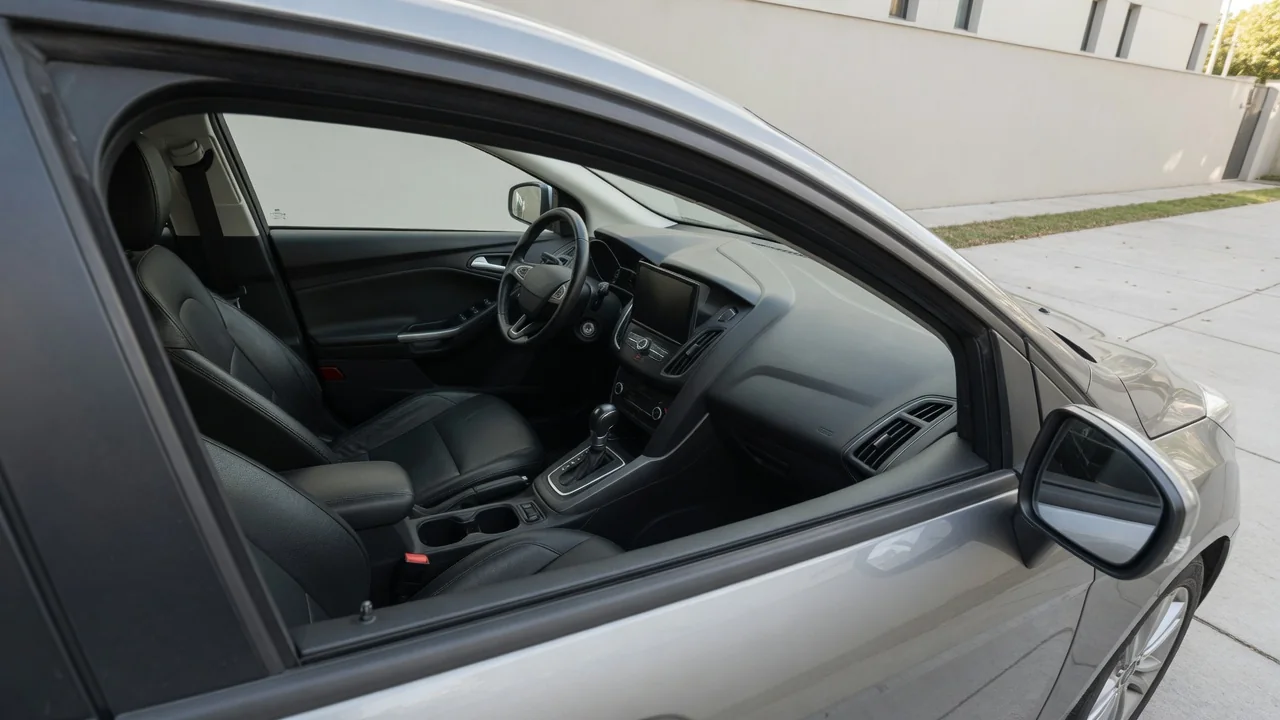
A Subaru WRX CVT transmission is not just a quieter alternative to a manual. It is a performance-oriented continuously variable transmission whose programmed ratio changes, paddle shifters, and driving character differ from other Subaru CVTs and from one WRX generation to another. Before you buy, confirm the exact car, read its service history, and judge how the WRX CVT transmission actually behaves on the road rather than relying on reputation alone.
Identify the WRX CVT by Model Year and Vehicle Records
A continuously variable transmission does not step through a fixed set of gears. It varies the operating ratio so engine speed can stay in a useful range while road speed changes. On a WRX, software also shapes how those ratios arrive, including simulated gear changes that make throttle response feel more like a conventional automatic. That programmed behavior is part of the driving experience, not an extra option you can assume is identical on every Subaru CVT. Confirm the model year, market, and actual transmission from the vehicle records and applicable Subaru documentation before treating any feature list as fact.
Subaru Performance Transmission is a label that applies only where Subaru used it for a given WRX, so it should not be treated as a nickname for every WRX CVT. Build sheets, window stickers, owner's manuals, and service records are more reliable than a listing that simply says the car has a CVT. Keep technical claims focused on the WRX in front of you. Seller descriptions may mix generations, omit market differences, or copy language from another model. Verified documentation tells you which hardware and calibration you are actually evaluating.
What to Notice During a Normal Test Drive
During ordinary driving, a WRX CVT can hold engine speed in a band that feels different from a geared automatic, then step through simulated shifts when you ask for stronger acceleration. Unfamiliar engine note, a brief rise in revs, or a programmed ratio change is not by itself proof of a fault. Drive modes, where fitted, alter throttle mapping and how quickly ratios change, and paddle shifters let you request those simulated steps. Verify that the modes and paddles on this specific vehicle respond as the documentation describes rather than assuming every WRX CVT is equipped the same way.
On a legal, routine test drive, notice how the transmission engages from a stop, whether acceleration is smooth, and whether unusual noises or transmission warning lights appear. Persistent shudder, delayed engagement, or interrupted power delivery are reasons for professional evaluation, not something to diagnose from the driver's seat. Skip launch tests and aggressive stress testing; they can mask ordinary behavior and are not a fair way to judge a used WRX. A calm loop of city and highway driving tells you more about how this continuously variable transmission actually works than a hard pull from a standstill.
How to Assess Reliability Claims and Ownership History
Reliability of a Subaru WRX CVT transmission belongs to the individual car, not to a forum thread. Condition, documented use, maintenance, and diagnostic findings matter more than a reputation that lumps every WRX together. Isolated owner anecdotes cannot establish how often a problem occurs or predict remaining life on the car you are considering. A story about one failed unit does not define the Subaru Performance Transmission as a class, and a glowing review does not cancel neglected fluid service or unexplained warning history on this example.
Ask about engine tuning, transmission programming, track use, and previous repairs, then treat the answers as incomplete until records support them. A modified WRX can place different demands on the continuously variable transmission than a stock daily driver, and a seller may not know every change. Visible condition and a clean test drive still leave room for intermittent problems that did not appear in twenty minutes of traffic. Smooth paddle response today does not establish long-term durability. Ownership history is a starting file, not a guarantee that the WRX CVT will stay quiet after you buy it.
Maintenance Records and Fluid Service Questions
Transmission fluid service on a WRX follows the maintenance requirements for that model year and how the car was used, not a single interval that applies to every Subaru CVT. Severe use, towing claims, or frequent high-load driving can change what the schedule expects, and only the applicable Subaru documentation for that vehicle can define it. Do not fill, flush, or inspect under the car yourself as part of a purchase check. A shop familiar with the WRX should confirm the correct fluid specification and service procedure before anyone treats a recent invoice as proof the work was done properly.
Useful invoices list mileage, the service performed, the fluid specification, and the shop responsible. Vague line items such as "transmission service" leave you guessing whether the correct fluid was used and whether the procedure matched Subaru guidance for that WRX CVT. Missing records create uncertainty rather than an automatic discount formula; you simply cannot see the maintenance trail. Fresh fluid alone does not demonstrate a healthy transmission. A recent change can follow a leak, a warning, or a neglected interval, so pair the paperwork with a professional inspection instead of treating a new fill as a clean bill of health.
Professional Inspection and the Buying Decision
A prepurchase inspection should be done by a shop familiar with the relevant WRX transmission, not by a general once-over that never road-tests the car. Ask for a road test, a leak inspection, and an appropriate diagnostic scan so stored information can be read in context. Transmission warning lights and stored codes are evidence to interpret, not proof that an internal part has failed. Manufacturer-dependent codes need vehicle-specific confirmation and further testing before anyone attributes a problem to the continuously variable transmission itself. Written findings beat a verbal "it seems fine" when you are deciding whether to buy.
Before you commit, collect the written findings, repair estimates, and any remaining warranty terms that actually apply to this WRX. Unresolved symptoms, incomplete repair documentation, or a seller who will not allow an independent inspection are practical reasons to pause. Persistent warnings, unexplained drivability problems, and a gap in service history all raise the cost of being wrong, even if the car feels lively with simulated gear changes and paddle shifters. The buying decision is about this Subaru WRX CVT transmission as documented and inspected, not about whether a performance-tuned CVT can be a satisfying daily car in the abstract.