Subaru Outback Brake Pads: How to Choose the Right Set
The Short Answer
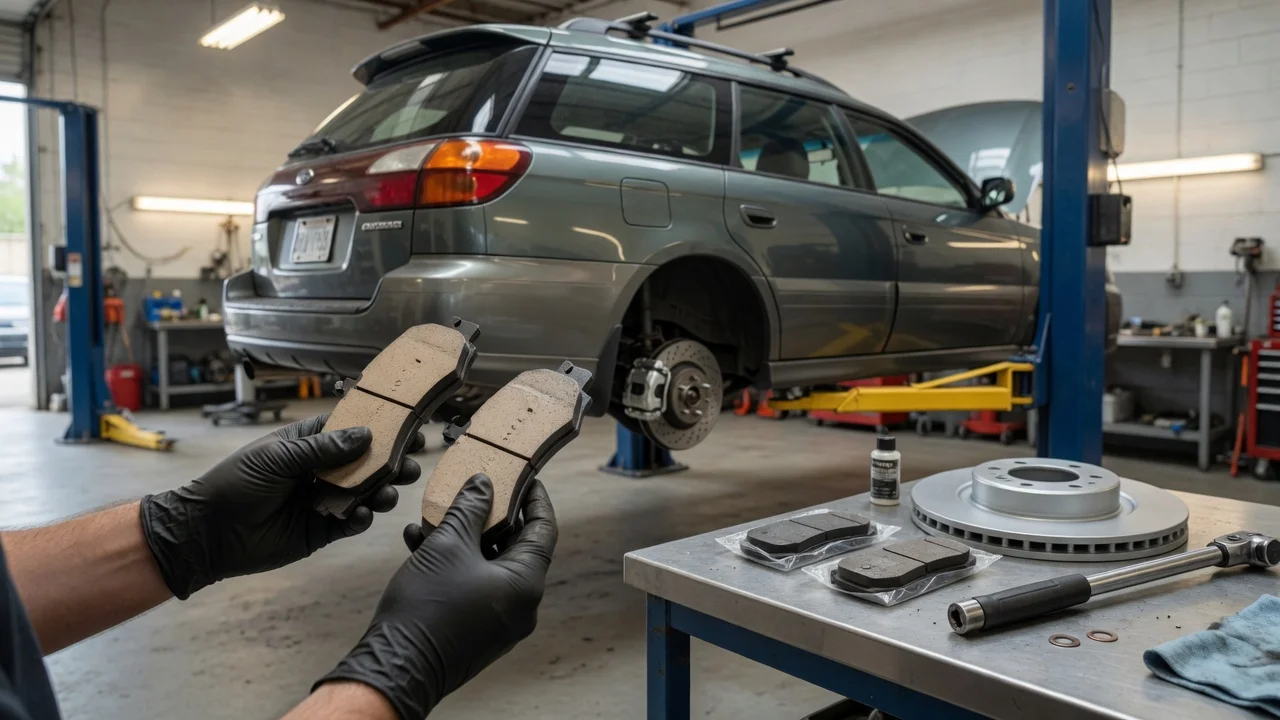
No single brake pad fits every Subaru Outback. The correct set depends on the model year, the market the car was built for, the trim level and the powertrain. Front and rear pads are also different parts and are usually sold separately. The most reliable way to get the right pads is to match them to the vehicle identification number (VIN), the 17-character code on the registration and the lower windshield. Once fit is confirmed, choose a pad type based on how and where you drive.
This guide does not include part numbers, pad dimensions, prices or test results, because none were available to verify. Treat any specific fitment claim, from any seller, as something to confirm against your own vehicle.
What Determines Which Pads Fit Your Outback
Model year and generation: the Outback has been redesigned several times, and brake hardware can change between generations and sometimes within one. Market: vehicles sold in different regions can use different brake components even when the model name and year match. Trim and powertrain: higher-output engine versions or particular trims may use different calipers or rotors from base models. Confirm this for your exact configuration rather than assuming. Front or rear axle: each axle uses its own pad shape and size, so buy the set for the axle you are servicing. Brake system details: the caliper type and any wear sensor arrangement affect which pads and hardware are compatible.
How to Confirm Fit Before You Buy
Look up pads by VIN where possible. A Subaru parts counter or a parts retailer with VIN lookup can identify the factory brake setup. If searching by vehicle, enter the exact year, trim and engine. Do not stop at "Outback" and the year. When a listing shows more than one option for the same year, it usually means variants exist. Check which one matches your car before ordering. If the pads are already off the vehicle, compare the old pads with the new ones for backing plate shape, friction material outline and any clips or wear indicators. Check whether the set includes new hardware such as abutment clips or shims. These parts help with fit and noise control.
Choosing a Pad Type
Once you know which pads fit, the main decision is the friction material, also called the compound. This is the material that presses against the rotor. Each type involves trade-offs, and product lines within the same category can perform quite differently.
Pad type | Generally suited to | Common trade-offs; Ceramic | Daily commuting and highway driving where low dust and quiet operation matter | Often costs more; may offer less initial bite when cold than some semi-metallic pads; Semi-metallic | Heavier use such as towing, loaded cargo or hilly and mountain driving | Tends to produce more brake dust and noise; may wear rotors faster; Organic (non-asbestos organic) | Light, gentle driving | Usually wears faster and handles sustained high heat less well
For an Outback used as a family or commuting vehicle, a quality ceramic pad or the original-equipment pad is a reasonable starting point. If you regularly tow, carry heavy loads or descend long grades, look at pads the manufacturer specifically rates for heavier duty, and confirm the rating against your vehicle's intended use.
Original Equipment or Aftermarket
Genuine Subaru pads are designed for the factory brake system and are the simplest way to keep original braking feel. Aftermarket pads from established brake manufacturers can be a good alternative and sometimes offer compound choices the factory part does not. Quality across aftermarket brands varies, so look for clear fitment data and a stated application for your vehicle rather than choosing on price alone.
Before You Install
Replace pads in pairs on the same axle, meaning both front wheels together or both rear wheels together. Inspect the rotors at the same time. Worn, scored or out-of-specification rotors can shorten pad life and reduce braking performance. Your service manual lists the minimum rotor thickness for your vehicle. Follow the pad maker's break-in (bedding) procedure, which helps the pads seat properly against the rotors. Brakes are safety-critical. If you are not confident doing the work, have a qualified technician install the pads.
Information Still to Verify
The exact pad part numbers, which model years and trims share brake hardware, and any differences between markets were not available for this guide. Confirm these details with a VIN-based parts lookup or a Subaru parts department before you buy.