Subaru Manual Transmission Models: WRX, Outback, and Others
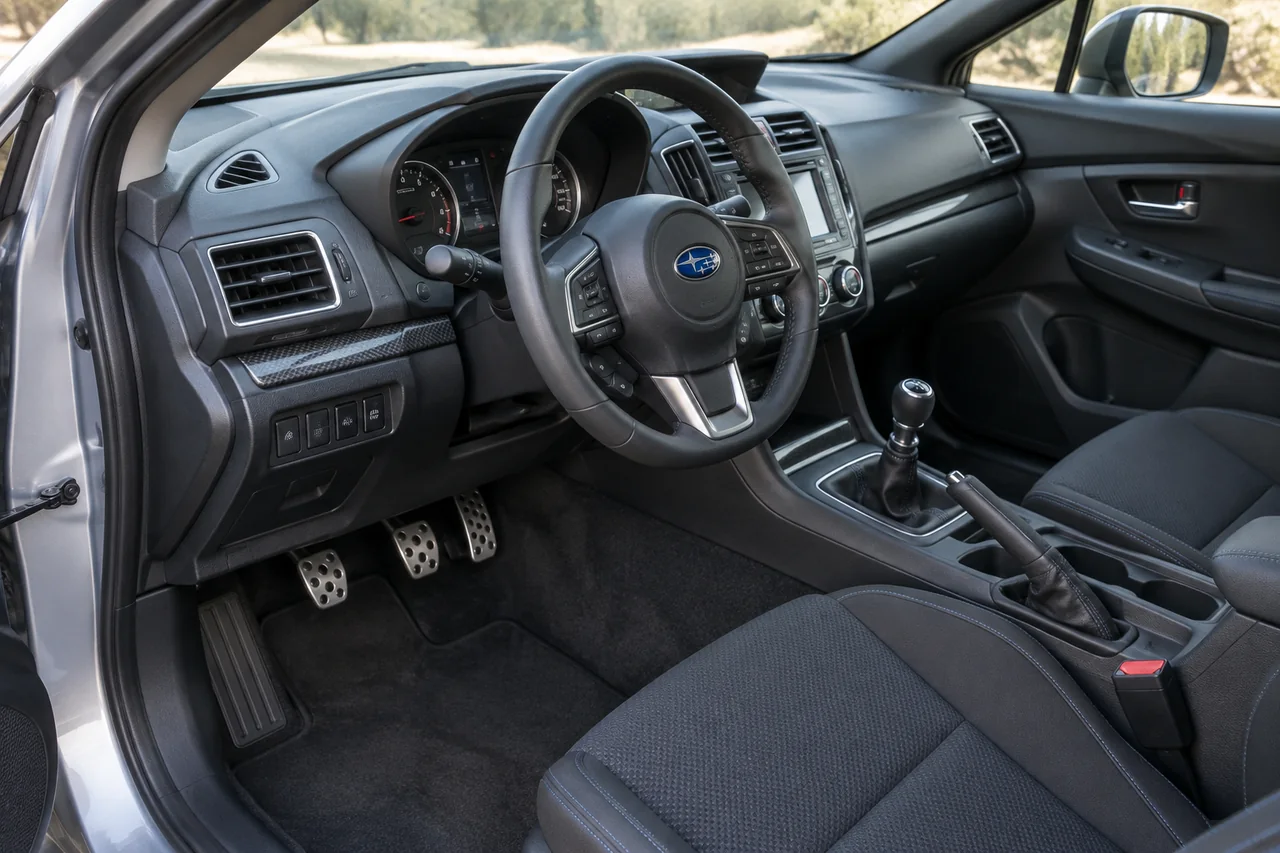
Shoppers looking for a manual transmission Subaru still find several nameplates in the used market, even as factory clutch-pedal cars have become less common. The WRX is the model most associated with a Subaru manual transmission, while a Subaru Outback with manual transmission exists only in older generations. Model-year availability, trim level, and market decide whether a given car left the factory with a five-speed or six-speed manual.
Which Subaru Models Offered a Manual Transmission?
In the United States, a Subaru transmission manual option has appeared on WRX, WRX STI, BRZ, Impreza, Crosstrek, Forester, Legacy, and Outback at various times. That list is historical, not a promise that every generation or current trim still has a clutch pedal. A nameplate alone does not establish factory equipment. Generation, model year, engine, and trim level together determine whether a car was offered with a five-speed or six-speed manual, so match the listing to those details rather than a brochure for a different year.
Current-availability claims should be dated because Subaru has narrowed clutch-pedal offerings over successive model years, and a setup sold a decade ago may not be offered now. Shoppers comparing cars being marketed today need window stickers, build sheets, or original-equipment records for that model year. Overseas listings can show engines, trims, and Subaru manual transmission combinations never sold in the United States. Import paperwork and VIN decoding help confirm market of origin before treating a foreign brochure as U.S. factory proof.
WRX Manual Availability Across Generations
United States WRX cars have been offered with a factory Subaru WRX manual transmission across multiple generations, typically as a five-speed manual earlier and a six-speed manual later. Those gearboxes should not be treated as identical to WRX STI equipment. The STI is a separate performance variant with its own transmission specifications, so attributing STI ratios or clutch design to every WRX is inaccurate. Confirming the variant requires the model designation, trim, and original equipment records, not a seller's shorthand that simply says WRX.
Within a given model year, not every WRX trim carried a clutch pedal. Higher or convenience-oriented trims sometimes limited buyers to an automatic, while a sport-oriented trim retained the manual. Window stickers, Monroney labels, and service records that list the original transmission code are more reliable than aftermarket shift knobs or a pedal that could have been added later. Engine, transmission, or drivetrain modifications are common on these cars. When those changes exist, factory equipment can only be established from original documentation, not from the hardware currently in the car.
Finding an Outback With a Factory Manual
A Subaru Outback with manual transmission was a factory option in earlier United States generations, not a current one. The factory manual offering ended after those older model years, so shoppers hunting a manual transmission Subaru Outback are looking at used inventory from the eligible generations. Even within those years, the clutch pedal was restricted by engine and trim; many Outbacks of the same generation were automatic only. Treating every older Outback as a potential five-speed or six-speed car will produce false leads and wasted inspections.
Older listings also mix wagon, Outback, and Legacy naming in ways that can hide or invent a Subaru Outback manual transmission. Some ads describe a raised wagon as an Outback when the title or build sheet says Legacy, or the reverse. Confirm factory equipment with original documentation, interior photos showing a clutch pedal and the correct shifter, and inspection of the pedal box and housing markings. A swapped gearbox is a separate issue: it may drive well, but it is not the factory Outback configuration the model-year charts describe.
Manual Options in Other Subaru Nameplates
Impreza and Crosstrek manuals in the United States followed generation and model-year boundaries, with hatch, sedan, and crossover body styles not always sharing the same gearbox option. Trim restrictions mattered: a base or sport trim might have offered a five-speed or six-speed manual while a higher convenience trim did not. Forester and Legacy historically offered manuals with engine and generation limits of their own. A naturally aspirated Forester of one generation is not evidence that a later turbo Forester, or a Legacy of the same year, had a clutch pedal.
The BRZ is a different case because it is rear-wheel drive, so readers should not assume every Subaru with a clutch pedal is all-wheel drive. BRZ manual availability has also varied by generation and trim, and the sports-coupe layout, shifter position, and driveline are not interchangeable with a WRX, Impreza, or Outback. A transmission used in one Subaru model should not be treated as compatible with another. Case patterns, bellhousing, output, and electronics differ, and a swap that works on a forum car is not factory support for mixing gearboxes across nameplates.
Checking a Used Manual Subaru Before Purchase
Automated listing fields often misidentify a Subaru manual transmission as automatic, or the reverse, so check the ad against the VIN, window sticker, and pedal box. During a lawful test drive, note ordinary clutch engagement, how easily gears select, grinding, unusual noises, and whether a gear disengages on its own. Those observations describe shift quality; they are not a teardown. Avoid deliberately stressing the drivetrain. Notice how the car behaves in normal takeoff, shifts, and deceleration, then decide whether closer inspection is warranted.
A heavy pedal, grinding, or a gear that pops out can come from clutch wear, linkage, hydraulics, internal transmission damage, mounts, or other drivetrain faults. Symptoms alone cannot distinguish those causes, and a stored fault code is evidence to interpret, not proof a part has failed. Manufacturer-dependent codes still need vehicle-specific confirmation. When symptoms, undocumented modifications, visible leaks, or incomplete history leave condition uncertain, a professional prepurchase inspection is the practical next step, including a road test and leak check without assuming which part must be replaced.
Maintenance Records and Ownership Planning
Service records for a used manual Subaru should be read for clutch work, transmission fluid service, leaks, and drivetrain modifications. A recent clutch replacement shows friction parts or hydraulics were addressed; it does not establish that gearbox internals, synchros, or the differential are healthy. Missing invoices matter as much as present ones, because undocumented work can hide a swap or a repeated repair. Ask for receipts that identify the parts and the mileage when they were installed, then compare that story with what the car exhibits on the road.
Fluid type and maintenance requirements belong in the owner's manual and vehicle-specific service information, not in a universal Subaru interval applied to every five-speed or six-speed. Clutch wear depends on traffic, towing, launch habits, and prior condition, so mileage alone does not predict remaining life. A high-mile car with gentle use can outlast a lower-mile example launched hard. For identified issues, obtain a vehicle-specific repair estimate and plan around inspection findings; quotes vary by model and labor, so current prices should come from a shop that has seen that car.