Subaru Lower Control Arm Bushings: Fitment and Selection
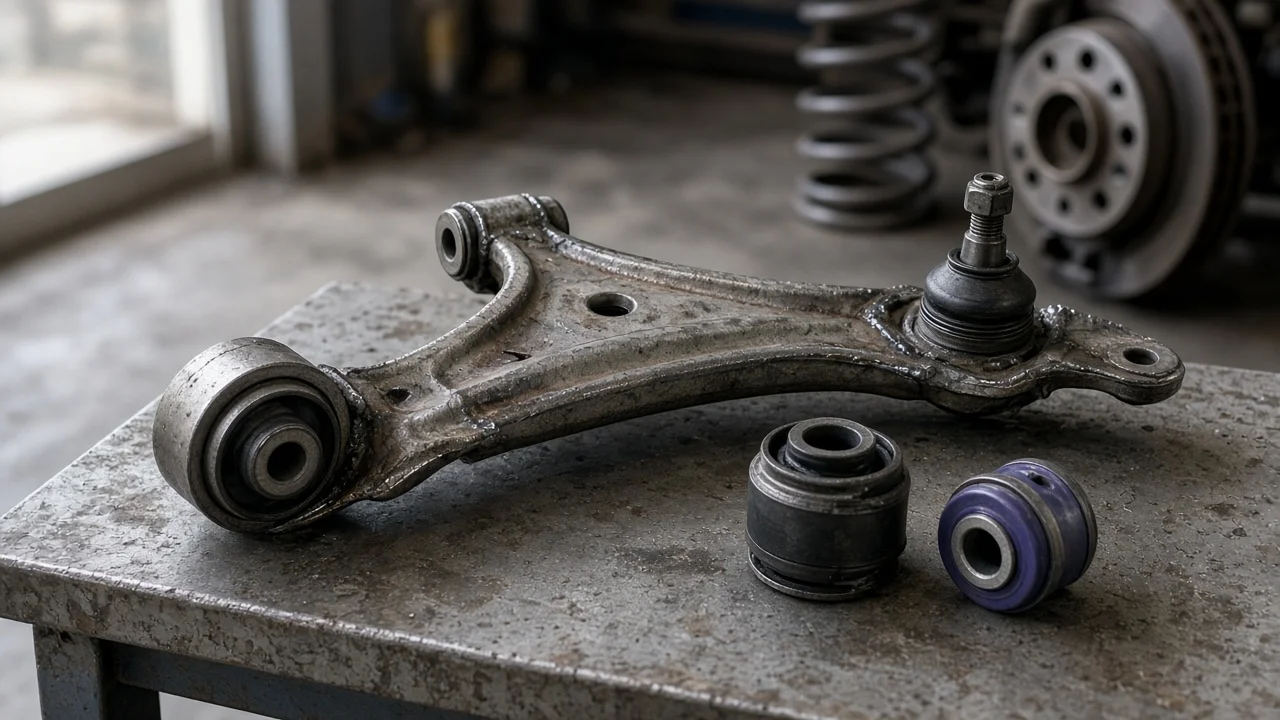
Worn lower control arm bushings on a Subaru usually show up as a clunk over bumps, vague steering, or a car that shifts sideways when you brake. Choosing replacements is less about finding a universal best part and more about matching the arm design on your vehicle, deciding how much comfort you will trade for precision, and planning for the tools and wheel alignment the job requires. This guide covers those decisions so you can buy the right parts once.
Define the job the product must do
On most Subaru front suspensions, the lower control arm is held to the chassis at two points. A smaller front pivot bushing is pressed into the arm, and a larger rear bushing is usually housed in a separate bracket that bolts to the body or crossmember. The rear bushing absorbs much of the braking and acceleration load, so it is often the first to tear or sag. Before buying anything, confirm the diagnosis. Look for cracked or split rubber, an inner sleeve that sits off center, or an arm that moves noticeably when you lever it gently with a pry bar. Rule out look-alike problems such as worn sway bar end links, a tired strut mount or excessive ball joint play, because new bushings will not cure them.
Next, be honest about how the car is used. A daily commuter usually benefits most from quiet, factory-style isolation. A car that sees gravel roads, winter ruts or occasional autocross may justify a firmer bushing. Also decide whether you will do the work at home or pay a shop, since that affects whether loose bushings or complete pre-assembled parts make more sense.
Check compatibility
Fitment depends on model, generation and model year, and sometimes on trim. Impreza, Crosstrek, Forester, Legacy, Outback and WRX models share a similar layout across many years, but arm shape, bracket design and bushing dimensions change between generations. Performance trims may use different arms or materials than the base car. Make sure you are shopping for the front lower arm; the rear suspension has its own set of links and bushings that are not interchangeable with the front.
The interfaces that matter are the bushing outer diameter and the bore it presses into, the inner sleeve length and bolt diameter, and the shape of the rear bracket and its mounting points. Note whether the rear bushing is sold alone or already pressed into a bracket, whether your arm is steel or aluminum, and how the ball joint attaches. A VIN-based parts lookup is the most reliable starting point, and comparing the listing photos and dimensions against the part on your car catches many mistakes. Check whether left and right parts are listed separately.
Features that affect the choice
The first decision is format. Loose bushings are the cheapest parts but require pressing old ones out and new ones in, often with a hydraulic press or a dedicated bushing tool. Rear bushings pre-installed in new brackets avoid most of that work for the part that fails most often. A complete control arm with both bushings installed is the quickest swap and refreshes everything at once, though the quality of the included rubber and hardware varies between suppliers.
Material is the second decision. OE-style rubber gives the best isolation from road noise and vibration. Firmer rubber reduces fore-aft movement under braking with a modest comfort penalty. Polyurethane sharpens steering response further but transmits more vibration, usually needs specific grease, and can squeak if not maintained. Some aftermarket rear bushings use an offset bore that changes suspension geometry, which alters the alignment and should be installed only following that product's own instructions.
Treat labels such as performance, heavy duty or upgraded as marketing until backed by specifics. Useful evidence includes the stated material and hardness, a clear fitment list by year and model, included sleeves or hardware, installation instructions, the lubricant supplied, and warranty terms.
Limitations and ownership costs
The parts price is only part of the cost. Plan for proper vehicle support: lift at the points listed in the owner's manual or service information and rest the car on rated jack stands, never on a jack alone. Corroded arm and bracket bolts are common on older cars, so penetrating oil, heat or replacement fasteners may be needed. Some bolts and nuts are specified as single use. Torque values and tightening sequences must come from the factory fastener specification for your exact model, not from memory or forum posts.
Rubber bushings should generally have their pivot bolts final-tightened with the suspension at normal ride height, either with the wheels on the ground or the arm supported to that position. Tightening with the suspension hanging preloads the rubber and can shorten its life. After the job, a wheel alignment is strongly recommended because control arm work can change toe and other settings; use the alignment specifications for your vehicle rather than generic numbers.
Know what bushings cannot do. They will not remove ball joint play, repair a bent arm, quiet a failed strut mount or fix tires already worn unevenly. Polyurethane adds a small ongoing cost in periodic inspection and re-greasing.
When to replace more than the bushings
Replacing bushings in pairs, on both sides, keeps handling balanced and avoids a second alignment later. With the arm off, inspect the ball joint for joint play and boot damage, and check sway bar links, tie rod ends and the inner bushing sleeves. If the arm itself is corroded, cracked or deformed, a complete arm is the better purchase. Doing related work at the same time also shares one alignment across several repairs.
Build a practical shortlist
Start with candidates that match your vehicle by VIN or by model, year and trim, and whose dimensions and bracket shape match your existing parts. Remove any listing with vague fitment or missing photos of the actual part.
Then compare the remaining options on a few points: format (loose bushing, bushing in bracket or complete arm), material and stated hardness, whether hardware and lubricant are included, whether geometry is changed by an offset design, the tools you will need to install it, and the warranty. Weigh those against your driving use and noise tolerance. For most daily drivers, OE-style rubber in the correct format is the sensible default; firmer or polyurethane options make sense when you value steering precision and accept more vibration and maintenance. Add the cost of an alignment to every option before deciding.